A battery-related entry on your criminal record can feel bigger than the case itself. It can affect job applicants, housing conversations, professional opportunities, and the way a potential employer reads your criminal history before you ever get to explain what happened. In Nevada, that pressure is real, but so is the possibility of relief through record sealing.
For many people, the first question is not whether sealing criminal records exists under Nevada law, but whether their case still qualifies. That question becomes especially important in battery cases because the answer often depends on how the charge was classified, whether it constitutes domestic violence, whether there was a conviction, and whether the required waiting period has already run.
The good news is that some battery cases can still be sealed. The more difficult truth is that not every battery charge follows the same timeline, and not every case should be evaluated as a simple misdemeanor battery matter. Knowing the difference can help you protect your rights, avoid filing too early, and move toward a real fresh start.
Why Battery Charges Create Confusion in Nevada Record Sealing Cases
Battery charges often sound straightforward in casual conversation, but under criminal law, they can lead to very different outcomes. A standard misdemeanor battery case is treated differently from a battery offense that legally constitutes domestic violence, and both are different again from a felony battery case involving a deadly weapon or substantial bodily harm. That is why people with similar-sounding criminal charges may face very different sealing timelines.
This distinction matters because Nevada does not look only at the everyday label of the offense. It looks at the statute, the level of the offense, the final disposition, and whether the person is still on probation or parole, under a suspended sentence, or otherwise has not fully closed the case. In other words, eligibility turns on legal classification, not just memory of the event.
That is one reason many people assume they are disqualified when they are not, or eligible when they are not yet ready to file a petition. A careful review of the court file, the court records, and the verified criminal history is usually the only reliable way to answer the question correctly.

Record Sealing vs. Criminal Record Expungement: An Important Nevada Legal Distinction
Nevada generally does not offer traditional expungement in the way some other states do. In Nevada, the main remedy is record sealing, which means the records are removed from general public access rather than destroyed. That legal distinction matters because many online searches use phrases like criminal record expunged even though Nevada law is talking about sealing instead.
Once a court order is entered, Nevada law provides that the proceedings are deemed never to have occurred, and the person may properly answer accordingly to many common inquiries. At the same time, the records are not erased from existence, and some government agencies or authorized entities may still inspect sealed records in limited situations.
That balance is what makes record sealing so powerful and so misunderstood. It can dramatically improve how a case appears on background checks, but it is not the same as universal deletion everywhere, especially outside Nevada or in specialized regulated contexts.
When Battery Charges Can Still Qualify for Record Sealing in Nevada
Under the current Nevada revised statutes, an ordinary misdemeanor battery under NRS 200.481 can generally be petitioned for sealing after 2 years from release from actual custody or from the date the person is no longer under a suspended sentence, whichever is later. That means many non-domestic battery cases can qualify sooner than people expect.
A different rule applies to a battery that constitutes domestic violence under NRS 33.018. For a non-felony domestic violence battery conviction, the waiting period is generally 7 years, again measured from release from actual custody or from when the person is no longer under a suspended sentence, whichever occurs later. That longer timeline is one of the most important eligibility factors in this area.
Some battery-related cases may also qualify immediately when there was no conviction. If a person was arrested but the charge was dismissed, the prosecuting attorney declined prosecution, or the person was acquitted, Nevada law allows a petition under the dismissal and acquittal statute rather than making the person wait through a conviction-based timeline.
When Battery Charges May Not Qualify Yet or Need Closer Review
Not every battery case should be analyzed as a simple misdemeanor. Once the case becomes a felony, the waiting period usually depends on the felony category. Many category b c or c or D felony convictions fall under the 5-year rule, while a category E felony may be sealable after 2 years, and certain more serious offenses fall under longer timelines.
This is where battery cases involving substantial bodily harm, a deadly weapon, repeat offenses, or allegations of felony domestic violence require a much more individualized review. The label “battery” does not answer the sealing question by itself, because the felony grade and surrounding facts can change both the waiting period and the broader legal strategy.
Nevada also keeps some convictions outside the sealing process entirely. The state records guidance identifies certain offenses, including sexual offenses, as not sealable, and the conviction statute also excludes crimes against children and other listed offenses. So when a battery-related case is connected to broader allegations like sexual assault or other disqualifying conduct, a person should not assume that standard battery rules still apply.
The Nevada Record Sealing Process: What Courts and Prosecutors Look For
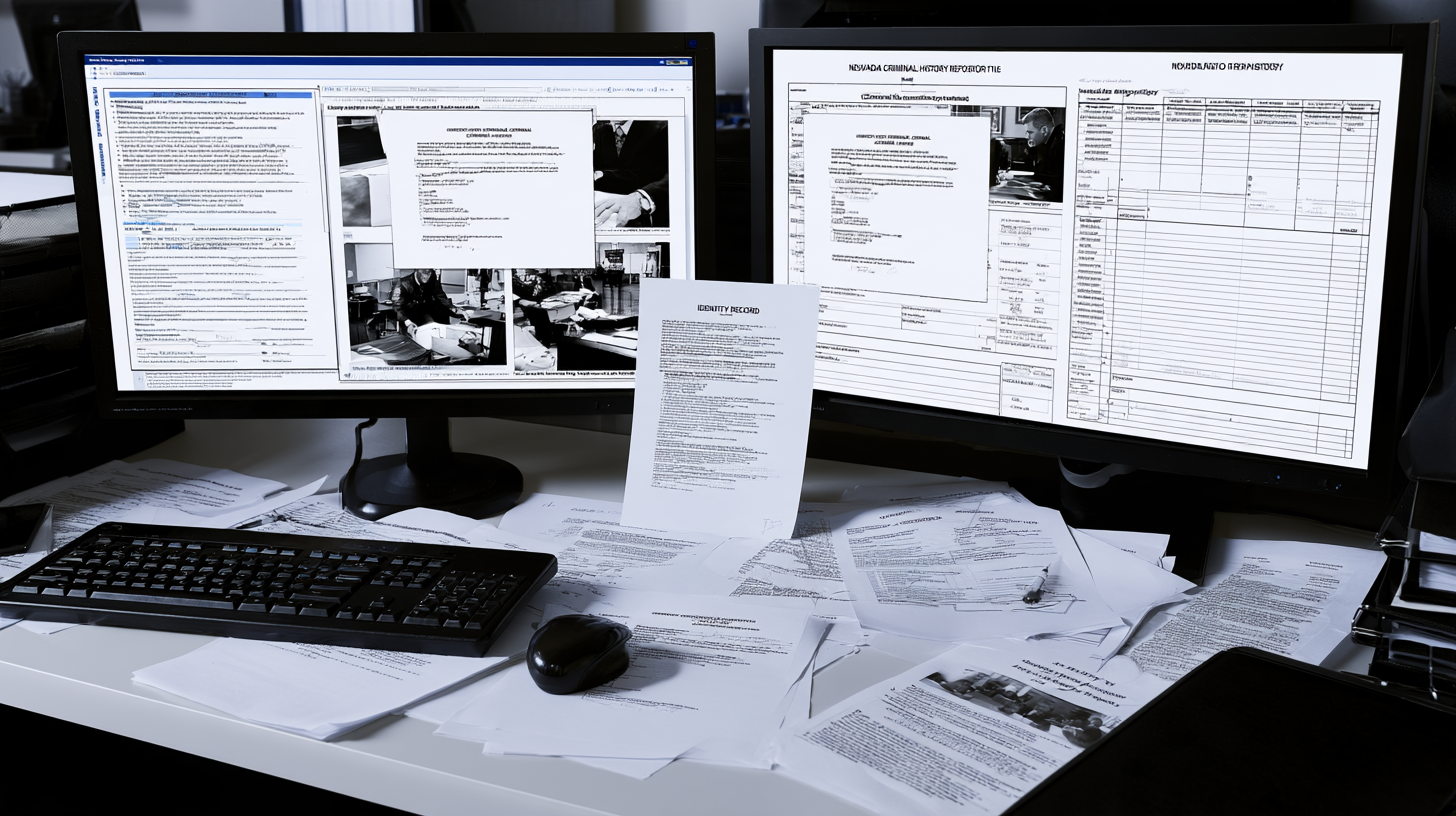
The record sealing process starts with the right records. Nevada’s official guidance says the procedures vary by county and that a petitioner should obtain a verified criminal history record to help prepare the court forms. In practice, that usually means gathering records from the relevant law enforcement agency, the court, and any other custodian that may hold the records.
A proper petition must accurately identify the records to be sealed and, in dismissal or acquittal matters, include the agencies or companies reasonably known to have the records. The court then notifies the appropriate prosecuting agency, which may include the county district attorney, city prosecutor, or another prosecutor’s office, depending on where the case was filed.
In some cases, the matter proceeds by stipulation. In others, there may be a court hearing where the prosecuting attorney or another person with relevant evidence can present evidence. Nevada’s state records division also notes that the process can take roughly two to four months, and delays often trace back to inaccurate information, missing agencies, or errors in the proposed order.
What Happens After the Court Grants a Record Sealing Petition
When the court grants the petition and signs the order, copies go to the Central Repository for Nevada Records of Criminal History and to the public or private entities named in the order. Those agencies are then required to seal the records in their custody and advise the court of compliance.
The effect is significant. Nevada law states that, except for limited statutory exceptions, the proceedings are deemed never to have occurred, and the person may answer accordingly regarding the arrested, convicted, dismissed, or acquitted matter. The sealing order also restores the rights to vote, hold office, and serve on a jury if those rights had not already been restored.
Still, sealed does not mean invisible to everyone forever. Some agencies retain limited inspection rights, including the Gaming Control Board in gaming-related matters and certain agencies identified by statute. That is why a sealing order is best understood as a major form of criminal record relief, not a promise that every record disappears from every database in every circumstance.

FAQ
Can a misdemeanor battery conviction be sealed in Nevada?
Yes, many ordinary misdemeanor battery convictions can be sealed in Nevada after the applicable waiting period, which is generally 2 years for misdemeanor battery under NRS 200.481 if the case is not treated as domestic violence and the person has completed the sentence.
How long is the waiting period for battery domestic violence in Nevada?
For a non-felony battery offense that legally constitutes domestic violence, the waiting period is generally 7 years from release from actual custody or from the date the person is no longer under a suspended sentence, whichever is later.
Are dismissed battery charges easier to seal than convictions?
Usually, yes. If the battery charge was dismissed, prosecution was declined, or the person was acquitted, Nevada law allows a petition after dismissal or acquittal rather than requiring the conviction-based waiting period that applies to many sealed conviction records.
Is record sealing the same as expungement in Nevada?
No, Nevada generally uses record sealing, not traditional expungement. A sealed record is removed from general public access, and the proceedings are deemed never to have occurred for many purposes, but the records are not destroyed and may still be inspected in limited statutory situations.
Conclusion
Battery charges can still qualify for record sealing in Nevada, but the answer depends on the exact offense, the outcome, and whether the full waiting period has passed. A standard misdemeanor battery case may be eligible far sooner than a battery case involving domestic violence, and felony-level allegations need a much more careful review of the statute, sentence, and surrounding criminal proceedings.
For people trying to move beyond old criminal records, the most important next step is getting the case analyzed accurately before filing. A confidential review can clarify whether you are among the persons eligible to seal records, what documents are needed, whether there may be a filing fee or local procedural requirement, and how to avoid mistakes that slow the sealing process in Clark County, Washoe County, Las Vegas, or elsewhere in Nevada. To understand your options and get personalized guidance for your specific record, contact a Nevada record sealing attorney and schedule a free consultation.