A criminal record can feel like a permanent barrier to opportunity, even after a case is closed. Many people pursue record sealing in Nevada to secure a fresh start, only to encounter unexpected delays that prolong the impact of criminal records, background checks, and public access to court records. In most cases, these delays are not caused by ineligibility but by avoidable mistakes during the sealing process. This article addresses record sealing mistakes that cause delays in Nevada, to confirm its relevance to your search.
This guide is for anyone in Nevada seeking to seal their criminal record and avoid common pitfalls that cause delays. Understanding these mistakes can save months of waiting and help you achieve a clean record faster. Delays in Nevada’s record sealing process often stem from applicants filing too early, incomplete criminal history details, or not obtaining all required documents. Missing one step in the record sealing process can lead to delays or outright denial.
It’s important to note that Nevada does not expunge criminal records; it allows for sealing, which limits access to the records. Sealing a record can remove barriers to employment, restore confidence, and protect privacy from most employers and background checks. Relief is possible, but precision matters.
This article explains the most common record sealing mistakes that cause delays in Nevada, how they happen, and how to avoid them. Understanding these issues before filing can protect your rights, reduce stress, and help you reach the final step of sealing your record without unnecessary setbacks.

Understanding Why Record Sealing Delays Happen in Nevada
Record sealing delays often occur because Nevada courts strictly enforce statutory requirements. Judges do not overlook procedural errors, even when a person clearly qualifies for sealing under Nevada law. The legal system prioritizes accuracy, public safety, and proper notice to all relevant parties.
Many people assume sealing is automatic or simple, especially for minor offenses, most misdemeanors, or cases where an arrest occurred but no conviction followed. In reality, sealing requires precise compliance with court rules, waiting periods, and service requirements.
Recognizing that record sealing is a formal legal process—not an administrative request—is the first step toward avoiding costly mistakes.
Filing Before the Waiting Period Has Fully Expired
One of the most common record sealing mistakes that cause delays in Nevada is filing too early. Every type of case has a specific waiting period, and courts calculate eligibility strictly based on the final disposition of the criminal case.
For misdemeanor convictions, gross misdemeanors, category E felonies, D felonies, and other felony convictions, the waiting period begins only after the case is fully closed. This includes completion of probation, payment of fines, and satisfaction of any suspended sentence or required classes.
Filing even a few days early results in denial, forcing the petitioner to restart the entire process and wait again.
You cannot seal a record in Nevada if there are any active warrants or open cases in any jurisdiction.
Misunderstanding Which Criminal Records Are Eligible for Sealing
Not all criminal charges qualify for sealing under Nevada law. Certain offenses, including some sexual offenses, home invasion, crimes involving a deadly weapon, and specific violent felonies, are excluded from eligibility. Nevada law prohibits sealing records for certain serious offenses, including sexual offenses and crimes against children.
Mistakes often occur when individuals assume that dismissal alone guarantees eligibility. While many dismissed cases qualify, eligibility still depends on the charge type and statutory rules. Felony DUI, some battery domestic violence cases, and violations involving protective orders require careful legal analysis.
Filing a petition for ineligible records leads to denial and unnecessary delay, even when other records may be eligible.

Using Incorrect or Incomplete Record Sealing Forms
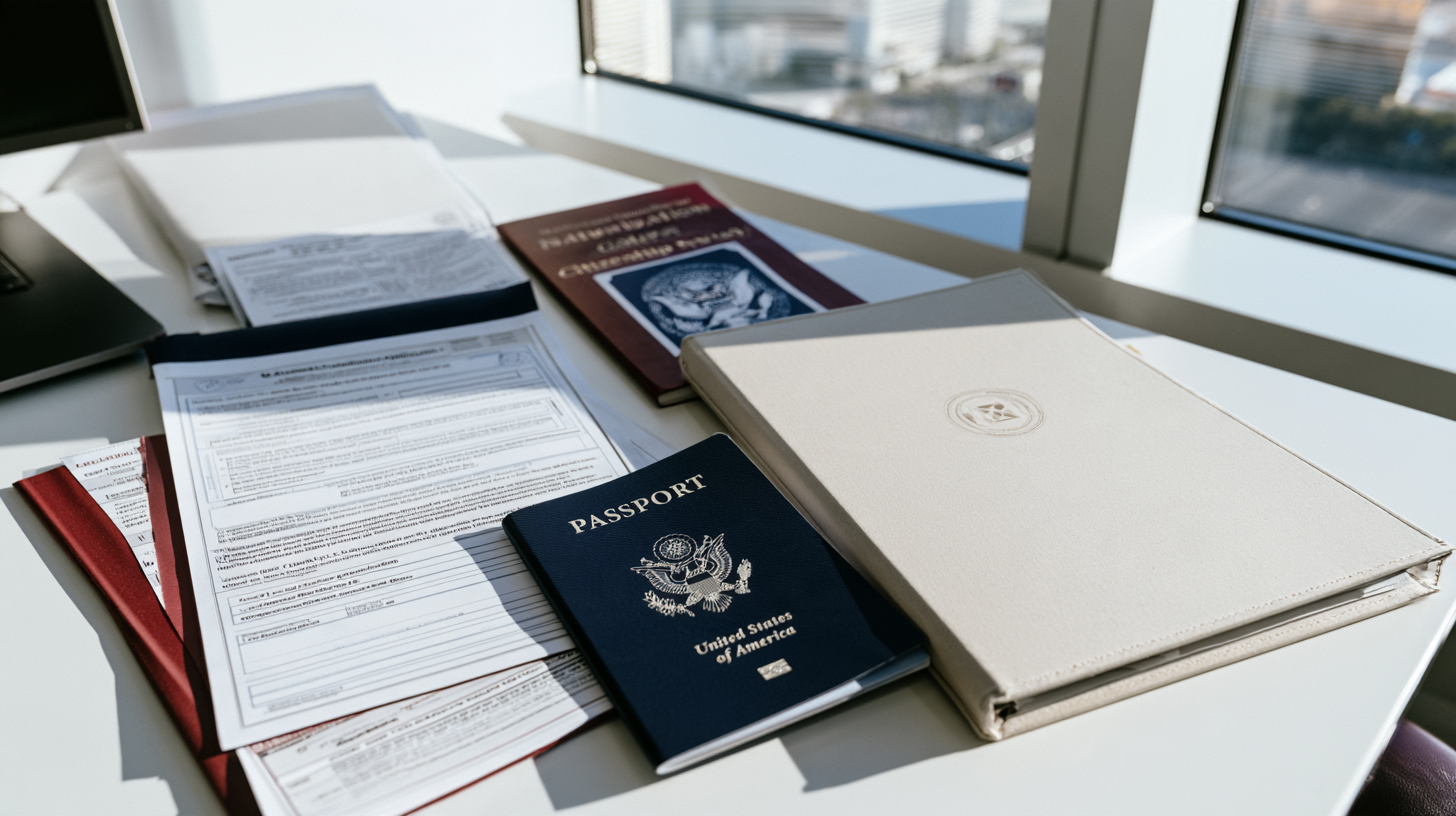
Nevada courts require specific record sealing forms, and those forms must be completed accurately. Errors in the paperwork for record sealing can result in the rejection of the petition.
Partial record sealing is generally not permitted in Nevada; all charges must be disclosed in the petition. Missing case numbers, disposition dates, or arrest dates on the report can delay sealing.
Courts rely on these forms to identify the exact court records, arrest records, and Nevada criminal records subject to sealing. Any inconsistency between the petition and official records raises red flags.
Nevada courts require original, dated signatures on all documents related to the sealing process; missing or incorrect signatures can cause delays. Typed signatures instead of actual wet signatures on the petition can result in immediate denial of a record sealing application.
Errors at this stage can delay sealing by months, especially in busy jurisdictions like Las Vegas and North Las Vegas, where courts process high volumes of petitions.
Failing to Obtain Certified Copies of Court Orders
Once a judge signs a court order sealing records, the work is not finished. One of the most overlooked mistakes is failing to obtain certified copies of the signed order.
Courts, government agencies, law enforcement departments, and record repositories require certified copies to update their systems. Without them, sealed records may remain visible in public records or internal databases.
This mistake often leads people to believe that sealing “did not work,” when the issue is actually incomplete follow-through.
Not Serving All Required Agencies Properly
Nevada law requires service of the sealing order on every agency that holds the record. This may include:
- The court
- The district attorney
- Law enforcement agencies
- Other Nevada Department entities involved in record management
Failure to serve even one agency can result in partial sealing, where some records are hidden while others remain accessible. This is a major reason sealed records still appear during background checks performed by private background check companies.
Proper service is time-consuming but essential to completing the entire process successfully.
Assuming Private Background Check Companies Update Automatically
Many delays arise because people assume private companies will update records once a record is sealed. In reality, private companies that conduct private background screenings often rely on outdated databases.
These companies are not directly connected to Nevada courts and may continue displaying old information until they receive notice and documentation. Without action, a sealed record may still appear to a potential employer, even though it is legally sealed.
Understanding the limits of court authority over private databases is critical for managing expectations.

Overlooking Juvenile Records and Juvenile Cases
Juvenile record sealing follows different rules from adult cases. Some juvenile cases may be automatically sealed, while others require formal petitions.
Mistakes occur when people assume juvenile records are always sealed or fail to include them in a sealing strategy. In certain circumstances, juvenile records can still appear in background searches or government databases.
Proper handling ensures that all eligible records are addressed, not just adult convictions.
Failing to Address Multiple Jurisdictions or Other States
Record sealing in Nevada applies only within Nevada’s jurisdiction. If charges exist in other jurisdictions, sealing a Nevada record will not affect those records.
Problems arise when individuals assume sealing one record clears their entire criminal history. Courts will only seal records within their authority, and filings must reflect accurate jurisdictional boundaries.
This misunderstanding can lead to incomplete relief and frustration during employment screenings.
Ignoring the Impact on Civil Rights and Public Office Eligibility
While record sealing restores many opportunities, it does not automatically reinstate all civil rights. Rights such as voting rights or the ability to hold public office depend on the nature of the conviction and other legal factors.
Mistakes occur when individuals assume sealing resolves all collateral consequences. Understanding how sealing interacts with rights to hold office, work in public office, or apply for regulated employment is essential.
Legal clarity prevents surprises after sealing is complete.
Why Working With an Experienced Attorney Matters
The record sealing process is legally precise and time-consuming. Courts do not provide legal advice, and mistakes are rarely forgiven.
An experienced attorney understands how Nevada courts interpret eligibility criteria, calculate waiting periods, and evaluate petitions. Legal guidance reduces errors, prevents delays, and ensures sealing is done the first time correctly.
For most people seeking a fresh start and a brighter future, professional support is the most reliable path forward.

FAQ
What is the most common mistake that delays record sealing in Nevada?
Filing before the waiting period expires is the most frequent mistake. Courts strictly enforce eligibility timelines, and early filings are automatically denied.
Are felony convictions eligible for record sealing in Nevada?
Some felony convictions, including category E felonies and certain non-violent category offenses, may be eligible after the required waiting period. Serious violent crimes and specific offenses are excluded.
Do private background check companies have to remove sealed records?
Private companies are not automatically updated. They usually require notice and certified documentation before removing sealed records from their databases.
Is record sealing automatic for juvenile cases?
Some juvenile records may be automatically sealed, but others require a formal petition. Eligibility depends on the offense and case outcome.
Conclusion
Avoiding record sealing mistakes that cause delays in Nevada requires careful planning, accurate filing, and full compliance with Nevada law. Most delays stem from misunderstanding eligibility, filing too early, or failing to complete every step of the legal process.
Common mistakes that cause delays include:
- Filing before the waiting period has expired
- Incomplete or inaccurate criminal history details
- Not obtaining all the required documents
- Failing to serve all required agencies
- Using incorrect or incomplete forms
- Missing original, dated signatures
Missing one step in the record sealing process can lead to delays or outright denial.
When done correctly, sealing a record can remove barriers to employment, restore confidence, and protect privacy from most employers and background checks. Relief is possible, but precision matters.
If you are considering sealing your record or facing delays, schedule a confidential consultation with a Nevada record sealing attorney today. Personalized guidance can help you avoid costly mistakes and move forward with confidence.