A Nevada sealing order can feel like the legal turning point you have been waiting for—until an out-of-state employer, licensing board, or federal agency runs a criminal background check and something still appears. For many people, that moment is not just confusing. It feels unfair because you did what the court required to move forward, and you expected the record to stay buried.
Here is the reality: sealed records can be restricted under Nevada law and still surface in interstate or federal screening pathways, depending on the type of check, the database being queried, and the purpose of the inquiry. The system is not a single “background check” mechanism; it is an ecosystem of state repositories, federal indexing, and private reporting pipelines that do not always interpret a sealing order the same way.
This guide answers the core question: Can sealed records appear in other states’ interstate background checks?—by breaking down how different checks work, what a Nevada court order actually changes, what remains visible in certain systems, and how to reduce your legal exposure and practical risk when you apply for jobs, licenses, housing, or federal positions.

Why Interstate Background Checks Don’t Always Respect a Sealing Order
Most people imagine a sealing order as a “delete button.” In practice, it is closer to a public access restriction that must be implemented across multiple systems over time. Nevada can order the sealing of records in Nevada-controlled channels, but that does not automatically erase copies that were already shared, indexed, or stored elsewhere.
Interstate screening magnifies this issue because many multi-state checks rely on national pointers, fingerprint-based systems, and private vendors that blend public records with repository data. If an out-of-state screen pulls from a source that still contains your arrest record or older disposition data, the “sealed” status may not stop the appearance the way you expect.
What a Sealed Criminal Record Means Under Nevada Law
Under state law, Nevada provides a procedure for sealing records that substantially restricts dissemination and removes records from many public-facing systems. Nevada’s record-sealing framework is grounded in Nevada Revised Statutes, including eligibility and petition rules for sealing after conviction.
Nevada’s own guidance describes sealing as a process where a record is physically removed from a record system, and its dissemination is substantially or altogether restricted. That language matters because it signals that sealing is about controlling access, not guaranteeing universal deletion across every database that ever touched your history.
Sealed or Expunged: Why Other States Use Different Labels
Many people use the phrase expunged records, but Nevada primarily uses sealing terminology. Other states may have expungement systems that destroy or vacate records differently, and private vendors often lump everything into “sealed or expunged” without accurately reflecting how Nevada’s remedy works.
This terminology mismatch can cause real consequences. A background check portal may ask whether you have “expunged” or “sealed” history and then treat a Nevada seal as incomplete because it is not an expungement-by-destruction. The practical fix is not arguing terminology; it is understanding what the specific screening channel is actually searching and how it interprets a sealing order.
The Two Worlds of Background Screening: Name-Based vs Fingerprint Based Checks
A standard background check used in the hiring process is often name-based and vendor-driven. These checks may rely heavily on public records data, courthouse scraping, and database aggregations, which means sealed court records may stop appearing once the vendor refreshes its data or honors your challenge.
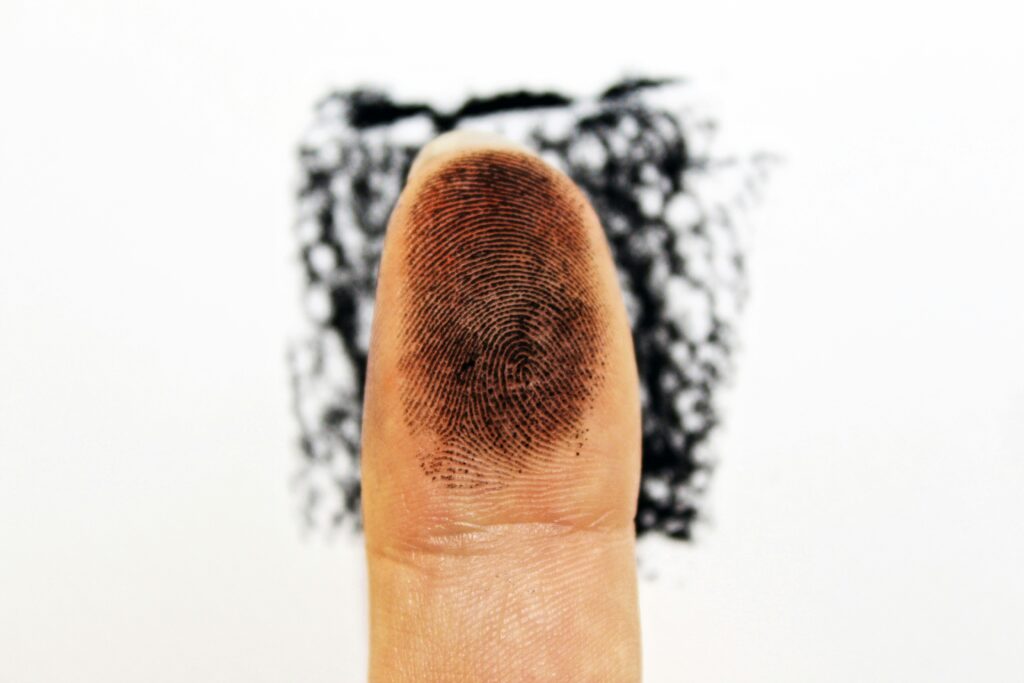
A fingerprint background check is different. Fingerprint-based checks connect you to a biometric identity record, which can query more authoritative repositories and federal systems. Once fingerprints are involved, the chances increase that a sealed case can still appear, especially as an arrest entry or incomplete disposition, depending on the system and the purpose of access.
The FBI Background Check Pathway: Why Fingerprints Change Everything
An FBI background check commonly refers to an Identity History Summary (often called a rap sheet). The FBI describes this criminal history record as including biographic and biometric identifiers, arrest information, and dispositions.
That structure explains why sealed records can still matter in federal systems. Even if the court file is sealed, the underlying fingerprint-based identity record may still contain the arrest cycle, and the accuracy of the outcome often depends on whether the correct disposition was transmitted to the FBI systems over time.

The FBI Database and the Interstate Identification Index Explained
Many interstate fingerprint inquiries route through the Interstate Identification Index and related systems that operate as pointers to state repositories. The FBI describes the III/NFF framework as a decentralized exchange where participating states respond to record requests, and the FBI ceases to maintain duplicate records in certain contexts.
For practical purposes, that means an out-of-state or federal agency may be using an interstate index to locate which state has a record, then requesting the record for an authorized purpose. If the state record is sealed and properly updated, that can reduce what is returned, but “sealed” does not guarantee that older fingerprints, incomplete disposition entries, or legacy repository snapshots disappear instantly across every pathway.
Federal Checks, Federal Employment, and Why Access Rules Are Different
Interstate screening often becomes “federal” screening without applicants realizing it. Federal checks for federal employment, security clearances, immigration-related screening, or regulated positions can involve deeper access rules than typical hiring screens, and those access rules are governed by federal laws and federal purpose-based authorization.
The most important strategic takeaway is this: sealing helps, but it does not necessarily block every federal use case. Nevada guidance recognizes sealing as a restricted-dissemination remedy, not a universal erase function, and federal queries can operate under a different authority and mission than private employment screens.
Pre-Employment Background Checks and Private Vendor Databases
Most pre-employment background checks are run by a background check company that produces a background report for an employer. Vendors may source criminal records from public court portals, local data partners, or older archives that can persist after sealing until refreshed.
This is why two employers can get two different results about the same person within the same month. One vendor refreshes its database quickly; another relies on stale data with long lookback periods that keep an old arrest record visible even when the court has sealed the file.
Comprehensive Background Checks and “Multi-State” Myths
Applicants often assume “multi-state” means a sweeping national truth. In reality, many so-called comprehensive background checks are not comprehensive; they are a mix of database searches, county-level pulls, and optional fingerprint add-ons. The word “comprehensive” is marketing, not a legal standard.
The legal risk is that job candidates treat the result as deterministic and stop investigating. If you see a record appear out of state, you should not assume the seal failed. You should treat it as a signal that the screening pathway used an access method or database that still contains an entry that needs correction or challenge.
State Repositories, State Police, and Interstate Sharing
Many states maintain their own repositories managed by state police or repository agencies, and these repositories are often the authoritative source for state-level criminal history dissemination. Interstate checks can query state repositories through pointer systems and authorized requests.
When Nevada seals a record, the effectiveness of that seal in other states depends on whether Nevada’s repository reflects the sealed status and whether the requesting purpose is one that still allows access. If the repository data was not updated correctly, the result can show a “pending” or incomplete entry that does not match your actual case outcome.

Arrest Information vs Dispositions: Why Sealed Cases Sometimes Look “Pending”
One of the most damaging outcomes is when an old arrest still appears, but the record shows no outcome. The FBI has emphasized that identity history summaries include arrest and disposition information when available, and agencies are expected to submit accurate arrest and disposition updates.
When dispositions are missing, the record can look worse than reality. A dismissed case can appear as “pending,” and a reduced charge can appear as the original arrest allegation. This is not just an inconvenience; it can derail the hiring process, especially in regulated industries that treat uncertainty as disqualification.
Pending Criminal Cases and “Open” Records in Interstate Screens
If you have pending criminal cases, a seal is not available in the same way, and interstate screens can legitimately show active court events and arrest cycle data. Employers often screen candidates with a risk lens, and an open case can change job eligibility even before a conviction occurs.
The strategic point is timing. If your case is not final, you should avoid assuming a near-term seal will protect you in recent years’ screening windows. Instead, you should consult an attorney about managing exposure, protecting legal positions, and planning the record-relief timeline.
Driving Records and DUI-Related Confusion Across States
Applicants often confuse criminal history with driving records. Many employers check both, and a DUI can appear in different ways depending on the system and the state. That confusion is amplified when a person believes sealing will affect a DMV record or administrative action the same way it affects a court case.
If your history includes misdemeanor convictions or DUI-related matters, it is essential to separate criminal court relief from administrative driving history. Conflating them creates bad expectations, and bad expectations lead to disclosure mistakes that create unnecessary legal exposure.
Regulated Industries and “Require Fingerprints” Screening
Certain industries routinely require fingerprints because the job involves vulnerable populations, security responsibilities, or high-trust environments. When fingerprints are required, the employer may use a fingerprint-based system that connects to federal indexing and state repository responses, not just a vendor database.
In these roles, the key is not merely sealing; it is ensuring the underlying biometric-linked record reflects the correct disposition and status. If the record is sealed but the identity record still shows an arrest without disposition, you may face a denial that feels like a sealing failure but is really a data integrity problem.
Public Safety Exceptions and Purpose-Based Access
People often ask, “If it’s sealed, why can anyone see it?” Nevada’s own description of sealing focuses on restricting dissemination, not eliminating every purpose-based access pathway. That means there can be certain circumstances where access is allowed because of public safety or authorized screening missions.
This is not a reason to avoid sealing. It is a reason to interpret sealing correctly and avoid the most common trap: assuming that a sealed record cannot be found by any agency for any reason. For many people, the greatest benefit of sealing is reducing routine exposure in ordinary employment and housing screens, even if narrow exceptions exist.
FAQ
Do employers use federal checks forpre-employmentt background checks?
Some do, particularly in regulated industries that require fingerprints or for roles connected to federal facilities, security credentials, or high-trust functions. These checks can route through interstate pointer systems and state repository responses rather than only public court searches.
If my record is sealed or expunged, can I legally deny it on job applications in other states?
It depends on the question wording, the type of position, and the jurisdiction’s disclosure rules, because “sealed or expunged” is treated differently across states, and some roles involve authorized screening that can still access restricted data. A Nevada sealing order restricts dissemination but does not operate as universal deletion for every purpose.
What should I do if a background check company reports expunged records or sealed records incorrectly?
Start by obtaining the full background report, identifying whether it was name-based or fingerprint-based, and then challenging the inaccuracies with documentation such as the sealing court order and proof of the final disposition. If the issue appears in a fingerprint-linked system, consult an attorney to address repository and disposition reporting pathways.
Conclusion
If you are asking, “Can sealed records appear in other states?” the honest answer is that they can—especially in interstate and fingerprint-based screening systems that rely on repository data, federal indexing pointers, or vendor databases that do not refresh quickly. Nevada sealing remains one of the strongest forms of criminal record relief you can pursue because it restricts dissemination and removes records from many public-facing channels, but it is not a guarantee that every interstate or federal pathway will instantly stop reflecting old arrest information or incomplete dispositions.
Relief is still possible, and you are not powerless when an out-of-state screen shows a sealed Nevada matter. The key is identifying the type of check, addressing the correct database or repository source, and correcting what is being reported with clear documentation and careful legal guidance. Schedule a confidential consultationand contact a Nevada record sealing attorney to review your record, assess interstate screening risk, and get personalized guidance on the safest way to protect your future.