A domestic violence conviction can have lasting consequences that extend far beyond the courtroom. From background checks and employment restrictions to challenges in child custody cases, a conviction under Nevada law can follow you for years. However, under certain eligibility requirements, it may be possible to seal criminal records related to domestic violence in Las Vegas, Clark County, or elsewhere in the state.
This guide breaks down the sealing process, waiting periods, and what the Nevada criminal justice system allows when it comes to domestic violence cases.
Understanding Domestic Violence Under Nevada Law
In Nevada, battery constituting domestic violence refers to any act of violence pursuant to a domestic relationship, including spouses, former partners, family members, or persons who share a child in actual custody. Common charges include battery, domestic violence, felony domestic violence, or domestic battery.
The penalties depend on the severity of the criminal offense, the presence of substantial bodily harm, or the use of a deadly weapon. Convictions can result in jail time, community service, mandatory minimum sentences, and long-term restrictions under both state law and federal law.
Can a Domestic Violence Record Be Sealed?
Under the Nevada Revised Statutes, sealing records for domestic violence convictions is limited. The law imposes strict conditions because these offenses are considered serious threats to public safety.
A domestic violence record can only be sealed under specific circumstances, usually after a significant waiting period and a showing of clear and convincing evidence that the petitioner has been rehabilitated and poses no danger to society.
If the court grants an order sealing records, the information will no longer be accessible to most employers, landlords, or the general public. However, certain law enforcement agencies and the prosecutor’s office may still access sealed data when necessary.
Eligibility Requirements and Waiting Periods
To seal criminal records in domestic violence cases, the person must meet specific eligibility requirements under Nevada law:
- Misdemeanor battery constituting domestic violence generally requires a waiting period of seven years after the case closes.
- Felony domestic violence convictions, or cases involving substantial bodily harm or a deadly weapon, are often not eligible for sealing.
- Offenses involving sexual offenses, sex crimes, or child abuse cannot be sealed.
If you were charged but not convicted, your record sealed pursuant to dismissal may occur sooner, sometimes within days after the prosecutor’s office drops the criminal charges or the victim refuses to cooperate.
The Legal Process for Sealing a Domestic Violence Record
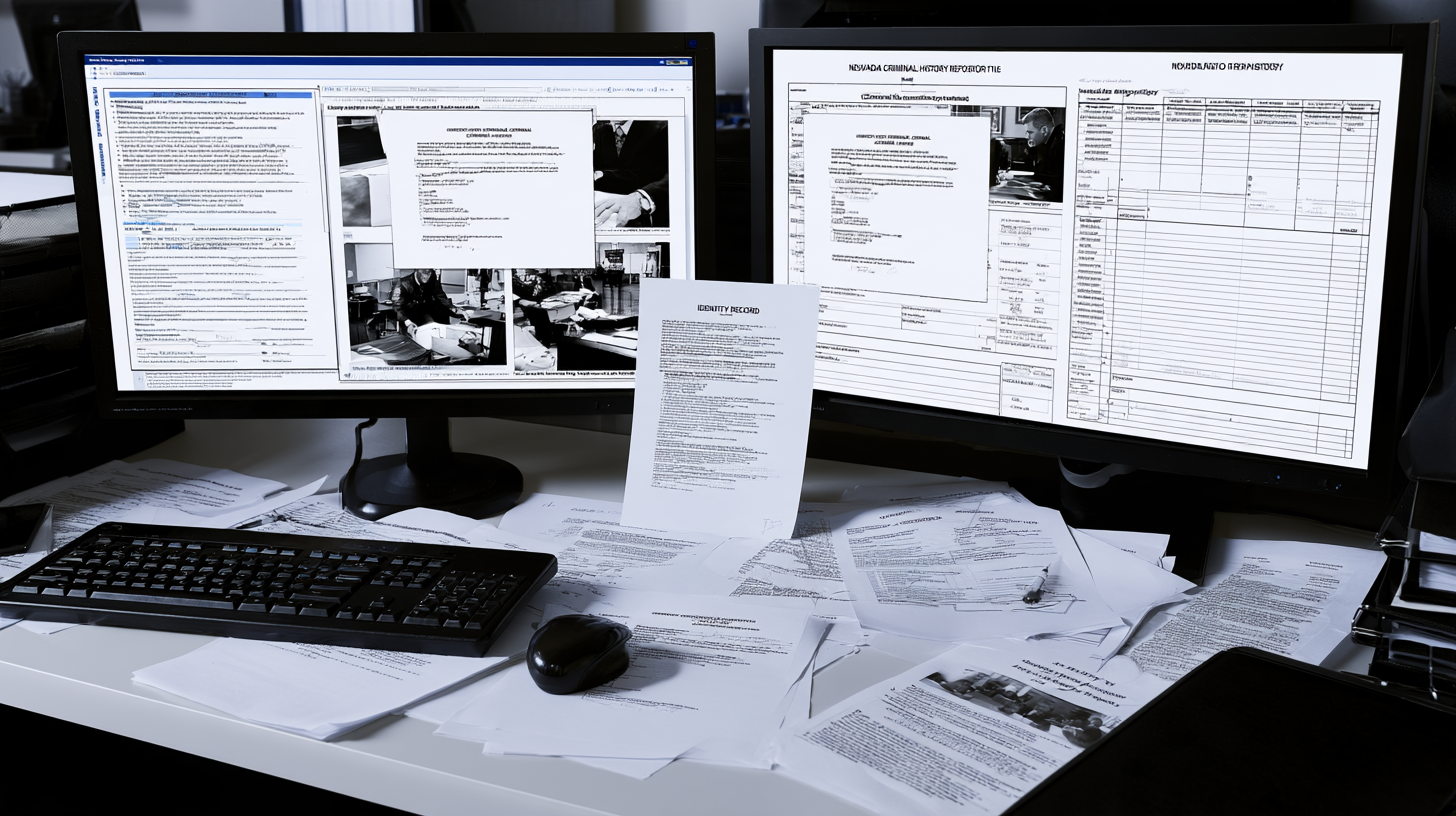
The sealing process begins by collecting all necessary documents, including conviction records, final dispositions, and proof of completion of probation, community service, or suspended sentences.
Next, your attorney prepares and files a petition with the appropriate District Court or Justice Court, depending on where the case originated, such as Las Vegas, Clark County, or Washoe County.
The petition must include convincing evidence of rehabilitation, compliance with all court orders, and no new criminal history since the conviction.
If the district attorney or law enforcement agency objects, the court will schedule a hearing where both sides can present evidence. The judge then determines whether the order sealing records is appropriate based on the facts and Nevada criminal law.

When the Court Grants the Order
If the judge approves your petition, they issue a formal Order Sealing Records. This order sealing records removes your criminal history from public view and requires all related agencies—such as the District Court, Justice Court, and Municipal Court—to destroy or seal all identifiable records of the domestic violence conviction.
Once your record is sealed, you can legally state you have not been convicted of that offense, except in limited situations involving law enforcement or federal background checks.
What If My Case Involved a Domestic Relationship but Was Dismissed?
If your case was dismissed, dropped, or resulted in an acquittal, you can generally request to have your records sealed immediately. In these cases, you won’t have to wait for the standard waiting period, and the court will often grant the order sealing records without objection.
Still, it’s crucial to have a skilled defense attorney prepare your documents properly. Even dismissed cases require the correct sample forms, affidavits, and supporting evidence to comply with the Nevada criminal sealing procedure.
Why Legal Representation Matters
Sealing a domestic violence record is not automatic. The process requires extensive knowledge of Nevada statutes, communication with multiple agencies, and the ability to prove rehabilitation through clear and convincing evidence.
An experienced attorney who understands domestic violence charges, eligibility rules, and the criminal justice system can help ensure your petition is handled efficiently and accurately.
FAQ
Can I seal a domestic violence conviction in Nevada?
In most cases, domestic violence convictions are not eligible for sealing under Nevada law, especially if the offense involved substantial bodily harm, a deadly weapon, or a felony domestic violence charge. However, if your case was dismissed or you were acquitted, you may request to have your records sealed immediately.
How long is the waiting period to seal a domestic violence record?
For misdemeanor battery constituting domestic violence, the waiting period is typically seven years after the case closes and all sentences, probation, and community service are completed. Felony-level convictions or cases with serious bodily harm cannot be sealed under current Nevada statutes.
What happens once my domestic violence record is sealed?
When the court seals your records, your criminal history and conviction records are removed from public view. Employers, landlords, and most agencies will no longer see your domestic violence charges during background checks, though certain law enforcement agencies can still access them under limited federal and state laws.
Why should I hire an attorney for the record sealing process?
The record sealing process for domestic violence cases involves detailed court filings, affidavits, and communication with multiple agencies like the District Attorney’s Office and law enforcement. A skilled defense attorney ensures every step—from filing your petition to securing the order sealing records—is completed accurately and efficiently, giving you the best chance for approval.
Conclusion
A domestic violence conviction can impact your employment, family relationships, and even your rights for years—but it doesn’t have to define you forever.
At RecordSealingNevada.com, we help clients throughout Las Vegas, Clark County, and across Nevada navigate the legal process of sealing criminal records. Whether you’re seeking to restore your reputation or regain opportunities lost due to a criminal conviction, our team is ready to help.
Contact us today for a free consultation and let our experienced legal team guide you toward a true, fresh start under Nevada law.