For many Nevadans, a criminal record can limit opportunities long after serving their sentence. Whether it’s a criminal conviction, an arrest, or a dismissed charge, these records often appear in background checks, making it harder to secure employment opportunities, housing, or professional licensing.
Fortunately, under Nevada law, many individuals can request to have their records sealed, removing them from public access and offering a genuine fresh start. But before the court grants your request, you must first prove that you meet all eligibility requirements, a process that involves strict documentation, patience, and knowledge of the record sealing process.
Understanding Record Sealing in Nevada
In Nevada, record sealing means that your criminal history record is hidden from public view. While the record still exists, it is no longer accessible to potential employers, landlords, or the general public. Only certain government agencies, such as the District Attorney’s Office or the Department of Public Safety, may view it under limited legal circumstances.
Under Nevada Revised Statutes (NRS 179.245), individuals convicted of most non-violent crimes, as well as those whose charges were dismissed or acquitted, can apply to have their records sealed after completing a mandatory waiting period.

Meeting the Eligibility Requirements
To prove that you’re eligible, you must demonstrate that you have completed your sentence, including all probation, parole, or suspended sentences. You must also show that you have not been convicted of any new criminal offenses during the waiting period.
The waiting period begins after your case is officially closed, that is, once all court-ordered conditions are satisfied. This period varies depending on the type of offense:
- Misdemeanors typically require a one- to two-year waiting period.
- Gross misdemeanors and certain Category E felonies require two to five years.
- Felony convictions, such as drug possession or property crimes, may require up to ten years.
Crimes involving sexual offenses, domestic violence, or DUI offenses are generally not eligible for record sealing under Nevada law.
How to Prove You Qualify for Record Sealing
1. Obtain Your Nevada Criminal History
Start by obtaining your official Nevada criminal history report from the Department of Public Safety. This report confirms your criminal record, the disposition of each charge, and whether any convictions remain active. You’ll also need a SCOPE report from the Las Vegas Metropolitan Police Department or your local law enforcement agency to verify your record at the local level.
2. Verify the Waiting Period Has Passed
Using the dates in your reports, you must prove that the required waiting period has expired since your case closure. The District Attorney’s Office and the court clerk will verify this information before reviewing your petition.
3. Prepare Supporting Documentation
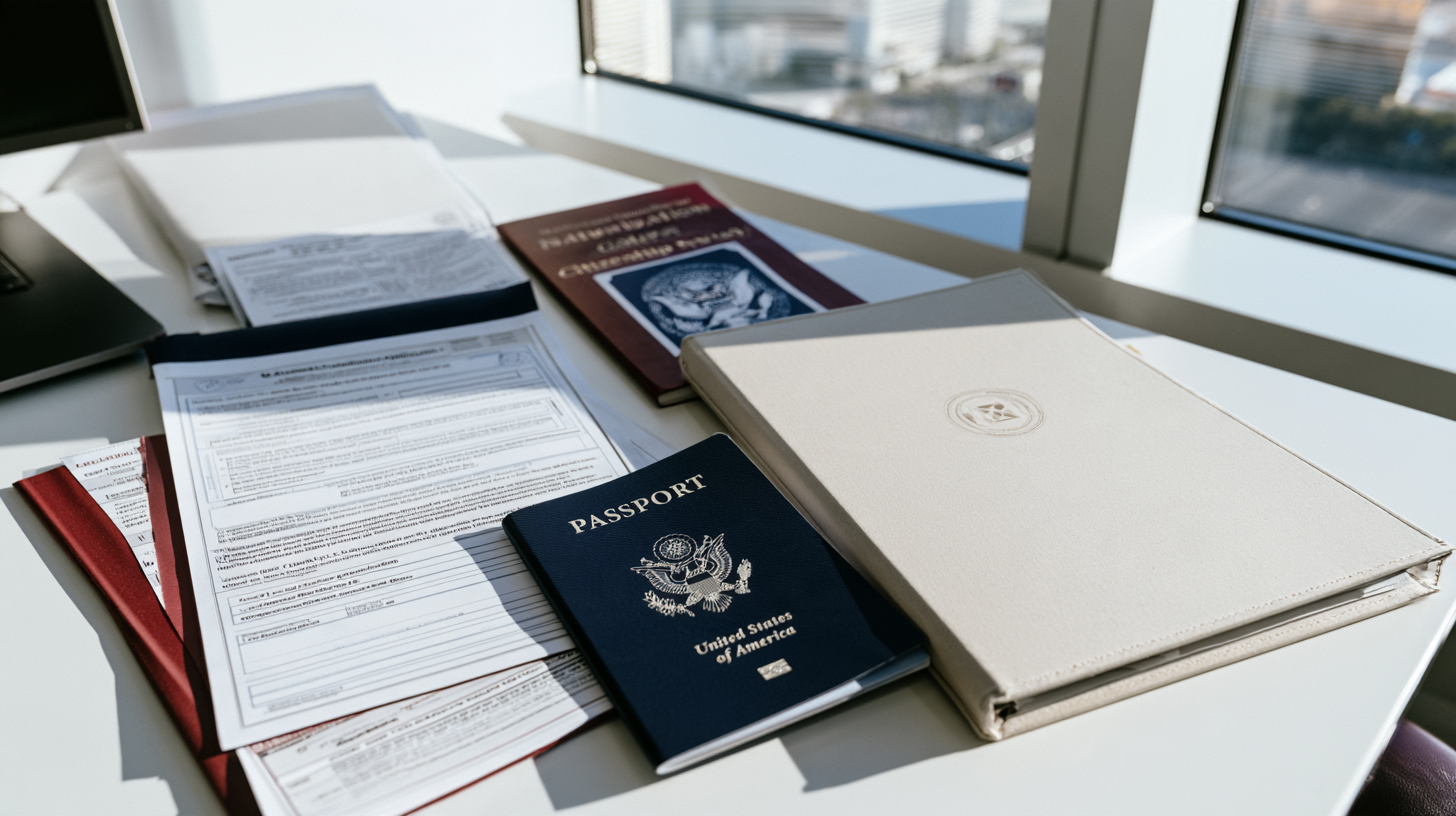
Include certified copies of all court documents, such as your judgment, dismissal order, or proof of honorable discharge from probation. These records demonstrate compliance with all court orders and confirm that you have no pending charges.
4. File a Complete Petition
Once your paperwork is ready, your attorney will file a petition to seal records in the appropriate District Court or Municipal Court. The District Attorney then reviews the petition and either supports or opposes it. If approved, the court grants an Order Sealing Records, which the court clerk distributes to all relevant agencies.
The Role of the Court and Law Enforcement Agencies
After the District Attorney approves your petition, the court reviews your request under Nevada law to confirm eligibility. If granted, the court seals your records pursuant to an official order. This order is sent to the Las Vegas Metropolitan Police Department, Clark County District Attorney’s Office, and the Nevada Department of Public Safety, among others.
These agencies are required to remove your case from public databases, ensuring it no longer appears in background checks or online criminal record searches.
Once sealed, your record is no longer visible to potential employers, and you are legally allowed to state that you have not been convicted of a crime in most situations.
Exceptions and Limitations
While most criminal convictions can be sealed, certain offenses remain permanently visible. Sex offenses, crimes involving deadly weapons, or serious violent crimes cannot be sealed. Additionally, if you’ve received a pardon from the State Board of Pardons Commissioners, it does not automatically seal your record, though it may restore voting rights, the right to hold office, or, in limited cases, the right to bear arms.
It’s important to note that federal law may still recognize your prior conviction, even after the state seals it. This can affect immigration, firearm ownership, or certain federal employment eligibility.
Why Proof of Eligibility Matters
When seeking to seal your record, the strength of your documentation directly affects the outcome. Courts rely heavily on accurate records, certified copies, and confirmation that the required waiting period has passed.
Incomplete or inaccurate petitions are one of the leading reasons for denial. That’s why working with an experienced attorney familiar with the record sealing process in Las Vegas, Clark County, and Carson City can make the difference between approval and delay.

FAQ
How do I know if I’m eligible to seal my criminal record in Nevada?
Eligibility depends on the type of conviction, waiting period, and whether you’ve completed all terms of your sentence, including probation or parole.
Where can I get a copy of my Nevada criminal history?
You can request your criminal history report from the Nevada Department of Public Safety and your SCOPE report from the Las Vegas Metropolitan Police Department.
Can I seal my record if I was arrested but never convicted?
Yes, in most cases, arrests or dismissed charges can be sealed immediately after the case is closed, as long as there was no resulting conviction.
Do I need an attorney to prove eligibility?
While you can file independently, an attorney ensures your petition includes all verified copies, meets Nevada statute requirements, and avoids delays from missing documentation.
What if my record includes multiple convictions?
You can request to seal multiple records under a single petition if they occurred in the same jurisdiction, but each must meet its own waiting period and eligibility rules.
Conclusion
Proving eligibility for record sealing is the most important step in reclaiming your reputation and unlocking a clean slate. With the right guidance, the process is straightforward, but it requires precision, compliance, and complete documentation.
At Record Sealing, our legal team helps clients gather the correct criminal history reports, confirm eligibility, and file petitions that meet all District Attorney and court standards.
Contact us today for a free consultation and take the first step toward restoring your rights, rebuilding your future, and clearing your name.