A damaged criminal record does not always begin with a conviction. Sometimes the real problem is bad data. An incorrect criminal record, a mismatched case, or an incorrect background check can follow a person into job interviews, rental applications, licensing reviews, and even credit decisions. In Nevada, those errors can be serious enough to cause denied employment, denied credit, job loss, and lasting emotional distress. The legal response often requires more than a simple dispute. It requires a strategic combination of record sealing, record correction, and consumer-protection enforcement under the Fair Credit Reporting Act.
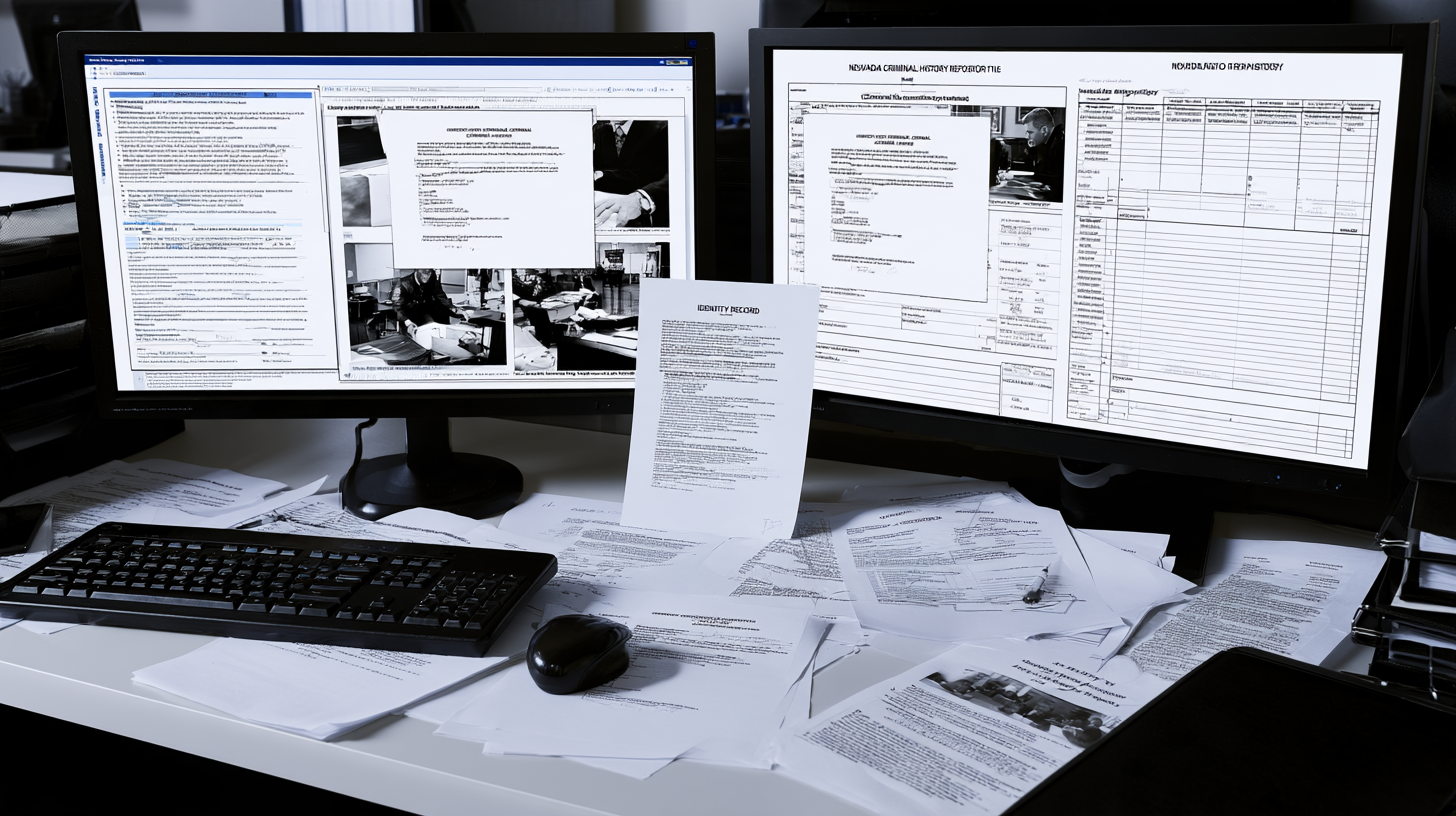
For many people, the mistake starts when background check companies or other consumer reporting agencies pull incomplete or outdated court data. A report may show dismissed charges without the final disposition, list the wrong offense level, or combine criminal records belonging to another person with the same or a similar name. The result is a false criminal background that can create immediate and unfair barriers.
In Nevada, lawyers handling these cases usually begin with one question: Is the problem a public-record error, a private-screening error, or both? That distinction matters because the solution may involve the court, the district attorney, the Nevada Central Repository, the screening company, or several government agencies at once.

Why Nevada Criminal Record Database Errors Cause So Much Harm
A flawed background report can damage a person before they ever get a chance to explain. Most employers do not investigate every inconsistency themselves. They often rely on a third-party screening company to summarize a candidate’s criminal background check, which means even small database errors can have major real-world consequences.
That is especially true in Las Vegas and Clark County, where employers, landlords, and licensing bodies may move quickly when they see negative information. If the report shows an open charge that was actually dismissed, an incorrect severity level, or a conviction tied to mistaken identity, the damage can happen fast.
A person may lose an offer, miss a lease, or be treated as a public-risk concern when the record is simply wrong. In some cases, that leads to measurable lost wages and other actual damages. In the right situation, it can also support claims for statutory damages if there is an FCRA violation.
How Lawyers Identify the Source of a Criminal History Error
The first step is to compare the private report against the official court records and the Nevada criminal history file. Lawyers often review the court docket, disposition, sentencing terms, and whether a final court order was entered, but never reflected in the commercial report.
Sometimes the error is obvious. The report may show a conviction when the case ended in an acquittal. It may list a gross misdemeanor when the actual charge was lower, or keep non-conviction data long after the law allows. In other cases, the report is pulling from mixed files tied to the same or a similar name, creating a false match between two different people.
This is why experienced background check attorneys do not assume every bad report can be fixed with one email. They build the file carefully, identify the exact source of the error, and preserve proof before the reporting agency changes the record or removes access to the earlier version. That early documentation can make a major difference later.
The Fair Credit Reporting Act and Background Check Errors
The Fair Credit Reporting Act requires consumer reporting agencies to follow reasonable procedures to assure the maximum possible accuracy of the information they report. Federal regulators have recently emphasized that this duty applies to public-record-based background screening and includes obligations to avoid duplicate, sealed, or otherwise legally restricted information and to include available disposition data.
That matters because many people assume only the court can fix a report. In reality, if the commercial reporting agencies or background check companies used sloppy matching practices, stale data, or incomplete disposition reporting, the problem may also be a federal consumer-reporting issue.
When a potential employer uses a consumer report for employment decisions, the FCRA also creates procedural rights. If the report contributes to an adverse decision, the applicant generally must receive notice and information about the reporting company so the person can dispute the file.
Why Outdated Information Still Appears on Background Checks
Many people hear that criminal records only stay on a report for up to seven years. That is only partly true.
Under federal consumer law, many forms of adverse non-conviction information, including certain arrest records and other negative information, generally cannot be reported after seven years. But criminal convictions are different. The FTC explains there is generally no time limit for criminal convictions under the FCRA’s federal reporting window.
That means outdated information can still appear lawfully in some settings unless the record is sealed, corrected, or otherwise legally restricted. This is one reason lawyers often recommend both dispute work and Nevada record sealing analysis instead of relying on the seven-year rule alone.
How Nevada Record Sealing Helps Correct the Public-Record Side
Nevada record sealing does not destroy the file, but it can sharply restrict public access to criminal record information. State guidance explains that sealing prohibits access except for limited authorized purposes and court-approved exceptions.
That matters when a private vendor is reporting old public data that should no longer be broadly available. If a person can seal criminal records or seal records tied to eligible records, that can reduce future dissemination and strengthen the argument that the screening company should not be reporting restricted information.
Lawyers, therefore, look at both tracks. One track addresses the inaccurate commercial report. The other examines whether a record sealing petition should be filed to prevent the public-record problem from continuing to resurface. In many cases, both steps matter.
The Record Sealing Process for Eligible Nevada Records
Nevada law allows petitions to seal many convictions after the required waiting period has passed, while dismissed charges, acquittals, and declined prosecutions may be sealed immediately. Waiting periods depend on the offense category and the final case result.
The timing issue is critical because the waiting period usually runs from the later of release from custody, discharge from probation or parole, or completion of a suspended sentence. A lawyer must verify how much time has passed before telling a client a case is ready.
This becomes more difficult with mixed histories. A person may have misdemeanor convictions, dismissed counts, and older criminal charges spread across separate courts. A strong sealing strategy organizes all records, identifies which matters are currently sealable, and prepares the right petitions and proposed orders for the right agencies.
When Nevada Law Blocks Record Sealing
Not every case can be sealed. Nevada excludes certain offenses, including crimes against children, sexual offenses, home invasion with a deadly weapon, and specified felony DUI-related offenses.
That is why accurate legal review matters so much. Some people spend months trying to clean up a report when the public-side remedy they need is not available for every case. A lawyer can separate what is sealable, what is not, and what other correction tools may still help protect public safety concerns without unfairly branding the wrong person.
Mistaken Identity, Mixed Files, and Same-Name Errors
One of the most damaging problems is mistaken identity. A report may merge files because two people share the same or similar names, similar date of birth data, or overlapping identifiers. These mixed files can cause a report to show convictions, warrants, or other events that do not belong to the applicant at all.
When that happens, lawyers gather identifying records, certified dispositions, and repository data to show that the criminal records belonging to another person were improperly assigned. In serious cases, they may also preserve communications such as adverse-action notices, emails, or text messages proving when the error caused harm.
How Lawyers Build the Correction and Dispute Record
A strong correction file usually starts with the official Nevada criminal justice record, court dispositions, and the exact version of the commercial scope report or other report used by the employer or landlord. The goal is to compare the truth against the false report line by line.
From there, counsel can dispute the report directly with the screening company, contact the reporting source, and, when needed, pursue court-based relief. If there is a sealing case, the attorney may obtain a signed order directing agencies to seal the file and then monitor whether private vendors update their databases.
This part of the process is often overlooked. A sealed or corrected public file does not always disappear instantly from private systems. Lawyers, therefore, remain focused on whether the report is truly up to date and whether the reporting company has continued publishing false information after receiving notice.
FAQ
Can a background check in Nevada show dismissed charges?
Yes, but accuracy and completeness matter. If a report shows dismissed charges without the final disposition, or presents them in a misleading way, that may violate the FCRA’s accuracy requirements and may also support Nevada record sealing if the case is eligible.
How long can background check companies report old criminal information?
Many types of non-conviction adverse information are limited to seven years, but criminal convictions generally are not subject to that same federal time limit. That is why sealing and correction strategies are often necessary even when a case is old.
Can lawyers seal Nevada criminal records and fix reporting errors at the same time?
Often, yes. Lawyers may pursue the record sealing process in court while also disputing an inaccurate commercial report with background check companies and other consumer reporting agencies.
What if the report lists someone else’s conviction under my name?
That may be a mistaken identity or a mixed files problem. A lawyer can use certified court records, repository records, and identifying information to show the report is inaccurate and push for correction or legal action where appropriate.
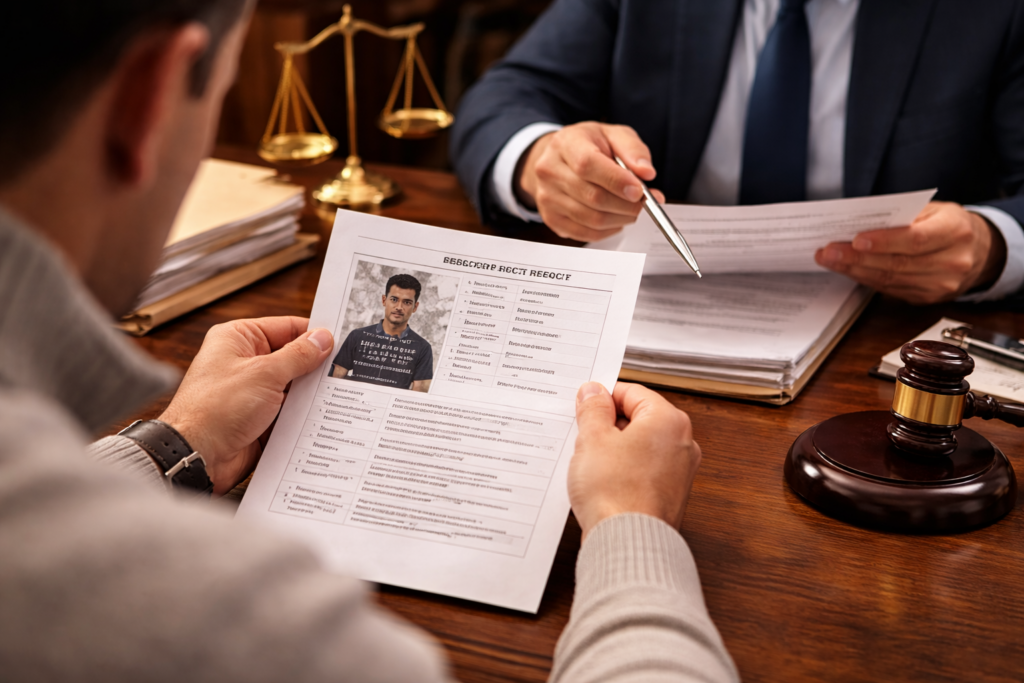
Conclusion
Errors in Nevada criminal record databases can do more than create inconvenience. They can distort a person’s background, damage opportunities, and keep old or inaccurate information alive long after the truth should have been clear. Whether the problem involves stale public data, a flawed commercial background report, or a broader need for record sealing, the right legal strategy focuses on accuracy, timing, eligibility, and proof. Relief is often possible, but it usually requires a careful review of the full criminal history, the source of the error, and the laws that govern both Nevada court records and federal consumer reporting.
If an inaccurate report, incorrect criminal record, or unsealed case is hurting your future, contact Record Sealing Nevada to schedule a free consultation and get personalized guidance from a Nevada record sealing attorney. A strategic legal review can help you determine whether to file a record sealing petition, challenge an FCRA violation, and take the right next step toward a cleaner, more accurate record.