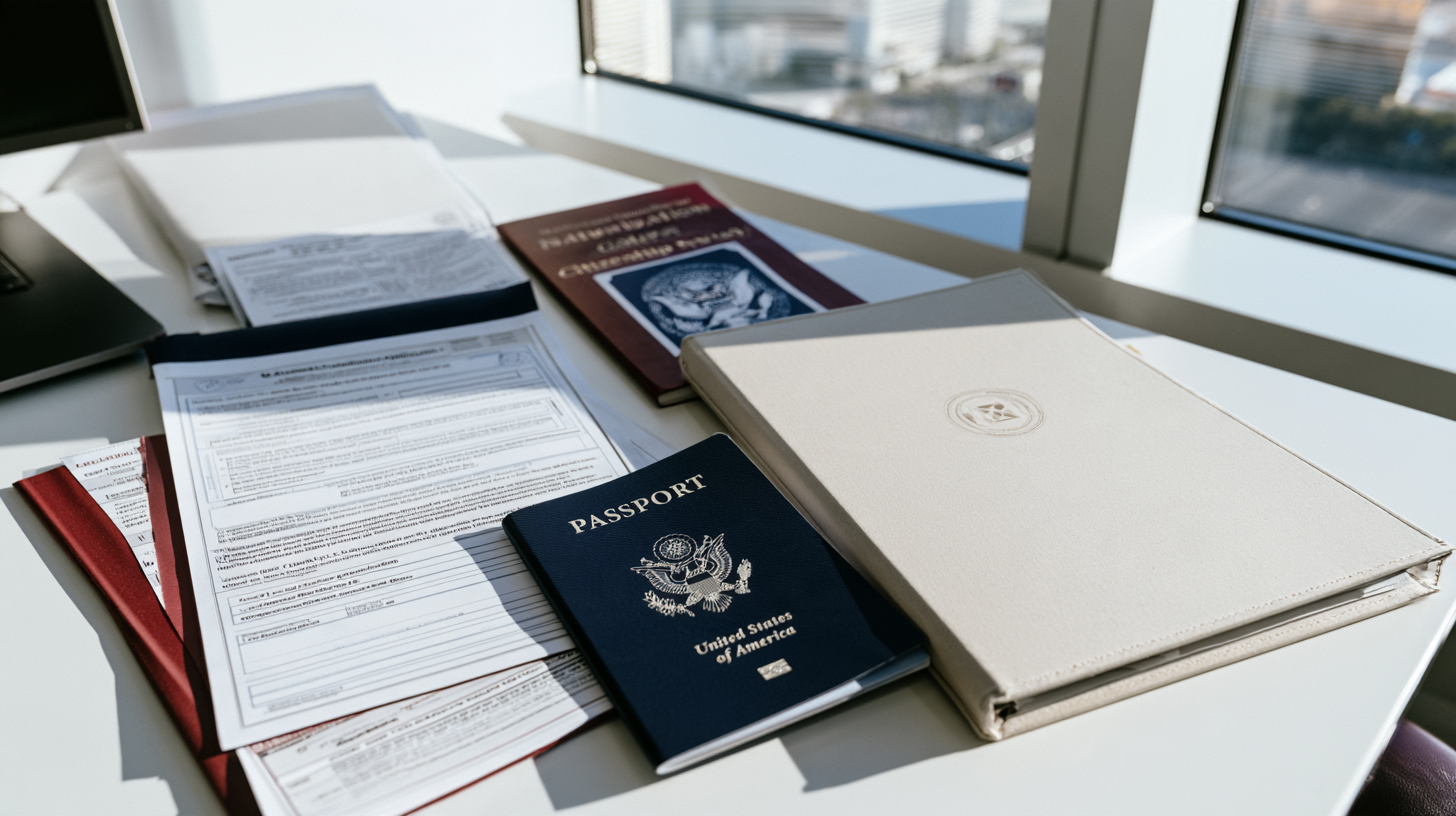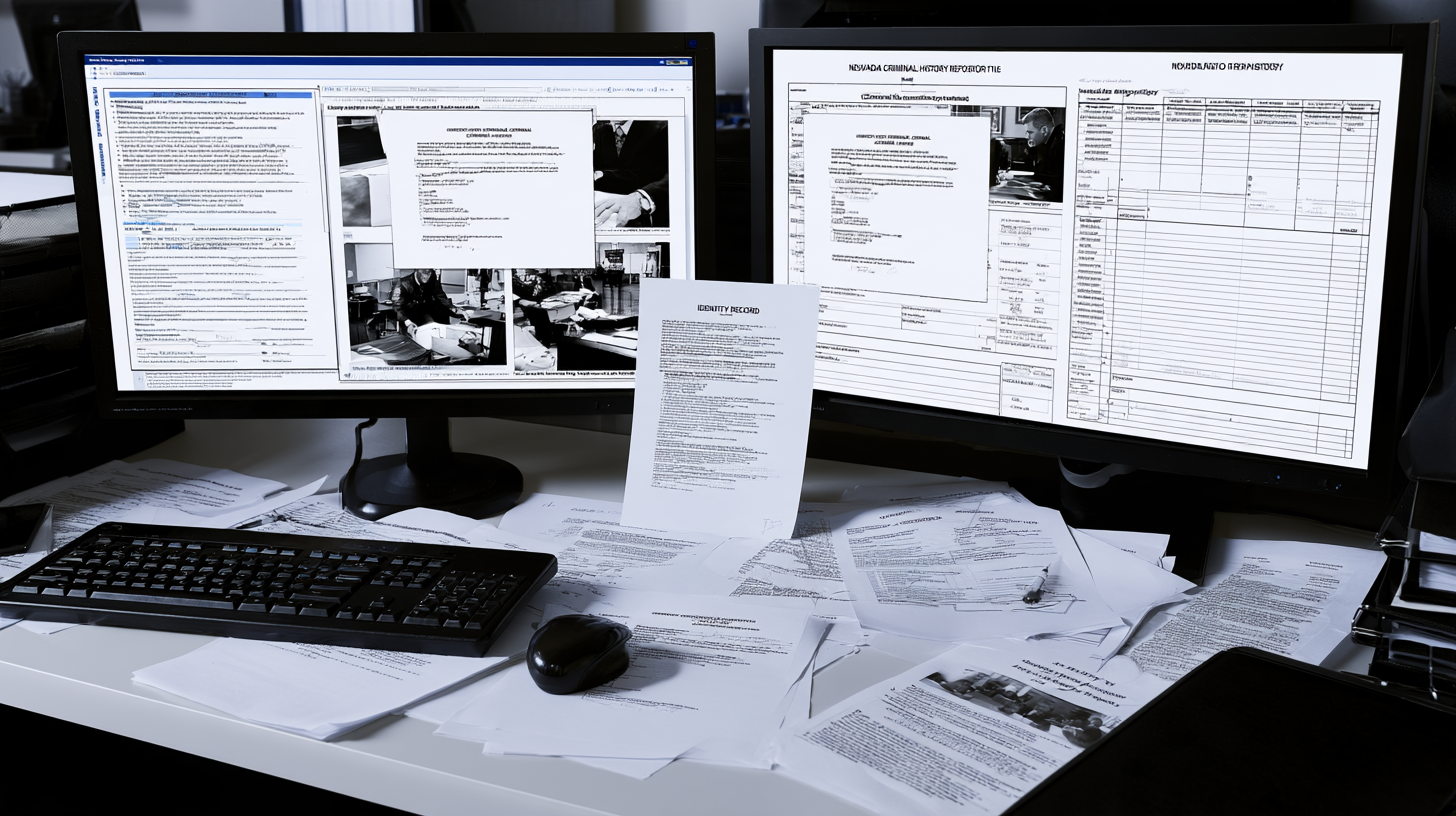
For immigrants in Nevada, even a single criminal charge can create long-term immigration consequences. Whether you’re applying for a green card, facing removal proceedings, or preparing for naturalization, your criminal record can have a major impact on your case.
Fortunately, record sealing in Nevada can help protect your privacy, improve your chances of approval, and restore your peace of mind. However, the immigration effects of sealed records are complex, and understanding how they interact with U.S. immigration law is essential before you take action.
This comprehensive guide explains how immigration record sealing in Nevada works, what it means for citizenship and immigration services (USCIS), and how to navigate the process safely with the help of an experienced Nevada record sealing attorney.
What Is Record Sealing in Nevada?
Under Nevada law, sealing a criminal record means that the record is no longer available to the general public. Once sealed, most employers, landlords, and agencies can’t see your criminal history during a background check.
However, immigration law operates differently. Even if your case is sealed under Nevada statutes, federal immigration authorities—including the Department of Homeland Security (DHS) and U.S. Citizenship and Immigration Services (USCIS)—may still access sealed records in certain cases.
Record Sealing vs. Expungement
Nevada doesn’t offer expungement. A sealed record still exists but is hidden from public view. For immigration purposes, a sealed record does not erase a conviction; USCIS may still consider it during immigration or naturalization reviews.
Why Record Sealing Matters for Immigrants in Nevada
Many immigrants believe that once their criminal record is sealed, it disappears completely. Unfortunately, that’s not the case for immigration and nationality law.
Even sealed records may affect your eligibility for:
- Green cards or permanent residency
- Naturalization (citizenship)
- Adjustment of status
- Waivers of inadmissibility
- Asylum or removal (deportation) proceedings
Still, sealing a record can help in other ways—it improves your public record, protects your privacy, and demonstrates rehabilitation and good moral character to immigration officials.
How Criminal Records Affect Immigration Status
Under the Immigration and Nationality Act (INA), certain criminal convictions can make a person:
- Inadmissible (unable to enter or adjust status)
- Deportable (subject to removal)
- Ineligible for naturalization due to lack of “good moral character”
The most serious issues arise from:
- Crimes involving moral turpitude (CIMT)
- Drug offenses, even simple possession
- Felony convictions
- Domestic violence or aggravated felonies
- Multiple misdemeanors
Having a criminal record on file with the Las Vegas Justice Court or any Nevada district court can therefore have life-changing immigration consequences.
How Record Sealing Helps in the Immigration Context
1. Protects Privacy During Non-Federal Background Checks
Sealed records are not accessible to the general public, employers, or state-level agencies. This helps protect your privacy when applying for jobs, housing, or state benefits.
2. Demonstrates Rehabilitation
Although USCIS may still see a sealed record, the act of sealing shows that a Nevada judge found you eligible based on your behavior and waiting period. This supports your good moral character claim under immigration law.
3. Simplifies State-Level Applications
If you are also renewing a driver’s license, professional credential, or business permit in Clark County or Las Vegas, a sealed record helps streamline those background checks.
Immigration and Nationality Act: Sealed Records and USCIS
The Immigration and Nationality Act (INA) governs how immigration officials evaluate criminal history. While Nevada record sealing laws control what the public sees, federal authorities, like USCIS and the Department of Homeland Security, follow their own rules.
- USCIS can request certified copies of court records, even sealed ones.
- A sealed record does not automatically remove the immigration consequences of a conviction.
- However, sealing can clarify final disposition and demonstrate compliance with all Nevada court requirements.
This is why sealing your record should always be coordinated with your immigration attorney.

Crimes That Commonly Affect Immigration Applicants
Under immigration law, the following crimes can result in denial, removal, or inadmissibility:
- Crimes involving moral turpitude (CIMT)
Example: fraud, theft, or certain assault convictions. - Controlled substance offenses
Example: drug possession, even simple marijuana possession. - Aggravated felonies
Example: violent felonies or crimes involving weapons. - Multiple convictions
Two or more convictions with combined sentences of 5+ years can trigger immigration issues.
Even if the Nevada district court later seals your record, USCIS may still require disclosure during your naturalization or citizenship application.
The Nevada Record Sealing Process: Step-by-Step
Step 1: Obtain Your Criminal History Report
Request your Nevada criminal history from the Department of Public Safety. You’ll need fingerprints, documentation, and case numbers from the Las Vegas Justice Court or other jurisdiction.
Step 2: Verify Eligibility
Each case must meet Nevada statutory eligibility requirements based on the date of final disposition, type of conviction, and waiting period.
Step 3: Prepare the Petition
Complete the record sealing forms with the help of an attorney. The petition must list:
- Arrest details
- Convictions
- Final disposition date
- Supporting documentation
Step 4: Submit to the Correct Court
File your petition in the district court where your conviction occurred—often Clark County for Las Vegas cases. Include all necessary forms and certified documents.
Step 5: Notify the Prosecuting Agency
The District Attorney and any law enforcement agency involved (such as the Las Vegas Metropolitan Police Department) must receive notice.
Step 6: Court Review and Order
If the court grants your petition, you’ll receive certified copies of the order to seal. The court will notify all relevant government agencies to update their records.
Does Immigration See Sealed Records?
Yes, under federal law, USCIS, the Department of Homeland Security, and the FBI can still access sealed criminal records during immigration review.
However, sealing demonstrates:
- That the case was resolved according to state law
- That you’ve met waiting periods and restitution
- That you’ve taken proactive steps toward rehabilitation
Even though sealed records remain visible to immigration services, they can positively influence the officer’s moral character evaluation.
Record Sealing and “Good Moral Character” in Immigration Law
To become a U.S. citizen, you must demonstrate good moral character under 8 U.S.C. § 1101(f).
A sealed record may help support your case by showing:
- No recent criminal conduct
- Compliance with all court-ordered obligations
- Positive community involvement since the conviction
While sealing doesn’t erase the conviction for immigration purposes, it can help contextualize your past conduct and strengthen your naturalization application.
Example: Sealing a Record Before Naturalization
Example:
Maria, a Las Vegas resident, was convicted of petty theft 10 years ago. She served her sentence and completed probation. Before applying for citizenship, her immigration attorney advised her to seal the record in Clark County District Court.
When she later applied for naturalization, USCIS still saw the sealed conviction, but her proactive steps and record sealing order helped prove rehabilitation. She successfully became a U.S. citizen.
Important Note About Immigration and Record Sealing
- Always disclose sealed records to USCIS if asked.
- Failure to disclose can be seen as misrepresentation and may harm your case.
- Work with both a Nevada record sealing attorney and an immigration lawyer to avoid errors.
Common Mistakes Immigrants Make
- Believing sealed records are invisible to USCIS
- Filing the wrong forms or forgetting final disposition documentation
- Not waiting long enough after conviction before filing
- Failing to notify all relevant agencies
- Not consulting an attorney before starting the sealing process

FAQ
Can sealed records affect my citizenship application?
Yes, but in a positive way. While USCIS can still see sealed records, sealing shows rehabilitation and may improve your case.
Does the Immigration and Nationality Act recognize record sealing?
The INA does not erase convictions due to state sealing, but immigration officers may consider the sealing as evidence of good moral character.
Can record sealing help stop removal proceedings?
Not directly—but sealing may reduce the severity of your criminal history and support certain waivers of inadmissibility.
Do I need to disclose a sealed record to USCIS?
Yes. You must disclose all arrests, convictions, and dismissals, even if sealed by a Nevada court.
Can I seal records related to immigration violations?
No. Record sealing applies to Nevada criminal cases, not federal immigration violations.
How long does the sealing process take?
Usually 6 to 12 months, depending on your jurisdiction and how fast agencies respond.
Can I seal a dismissed or acquitted case immediately?
Yes, if your case was dismissed or you were acquitted, you can file a petition to seal right away.
Will record sealing help me get a green card faster?
It doesn’t speed up immigration processing, but it strengthens your overall profile for USCIS review.
Conclusion
If you’re pursuing immigration benefits or citizenship in Nevada, don’t let an old conviction stand in your way. Even though immigration authorities can still access sealed records, sealing your record shows accountability, rehabilitation, and respect for the law—qualities that immigration officers value when reviewing applications.
At Record Sealing Nevada, our attorneys help clients with criminal and immigration backgrounds seal Nevada criminal records, restore peace of mind, and prepare for a stronger future.
Contact our Las Vegas office today for a consultation. Learn how sealing your record can support your citizenship, naturalization, or immigration journey in Nevada.