If you have more than one criminal conviction on your record, you may think your chances of getting a clean slate are gone. But under Nevada law, individuals with multiple convictions can still qualify for record sealing, provided certain eligibility requirements are met. While the process is more complex than sealing a single offense, it remains one of the most effective ways to protect your privacy, restore your civil rights, and move forward with confidence.
Sealing records is a legal process under Nevada law that removes criminal records from public access but does not destroy them, and is distinct from expungement.
Nevada’s record sealing laws, found in Nevada Revised Statutes (NRS 179.245), give people with criminal histories a second chance—allowing sealed records to be removed from public databases, employment background checks, and most government websites. This guide explains how sealing multiple convictions works, what waiting periods apply, and what steps to take to successfully petition the court.

Understanding Record Sealing for Multiple Convictions
The record sealing process in Nevada depends on several key factors: the type of conviction, the number of offenses, and how much time has passed since the last case was closed. Having multiple criminal convictions doesn’t automatically disqualify you from eligibility. However, the District Court will carefully evaluate your entire criminal history record to determine whether you’ve demonstrated rehabilitation and good conduct. The sealing of records involves specific legal procedures and statutory requirements, including eligibility criteria, waiting periods, and court processes that must be followed to have your records sealed.
The goal of record sealing is to balance public safety with an individual’s right to rebuild their life. When multiple convictions are involved—such as drug possession, domestic violence, or gross misdemeanors—the court will look at patterns of behavior, time since release, and compliance with prior court orders.
Eligibility for Record Sealing with Multiple Convictions
To qualify for record sealing with multiple cases, you must first satisfy the statutory waiting period. Nevada’s waiting periods vary depending on the most serious offense in your record. For example, if one of your convictions was a felony DUI, you must wait seven to ten years after completing your sentence before filing a petition.
The waiting period begins after you have completed all sentencing terms, including release from actual custody or the end of a suspended sentence, whichever occurs later. If your highest conviction was a gross misdemeanor, the waiting period is two years, and for misdemeanors, only one year after sentence completion. For misdemeanors involving domestic violence, the waiting period is seven years. The clock starts once you’ve finished probation, paid all court costs, and resolved any pending criminal charges.
Keep in mind that sexual offenses, crimes involving deadly weapons, crime of violence, and crime of violence pursuant to statute such as burglary pursuant to NRS 205.060 are not eligible for sealing. In those cases, only a pardon from the state may restore your rights.
How Nevada Courts Handle Multiple Petitions
When you have multiple convictions across different jurisdictions—such as Las Vegas Justice Court, North Las Vegas, municipal court, municipal courts, and Clark County District Court—you may need to file separate petitions in each court. However, if the cases are within the same jurisdiction, a single comprehensive petition can often be submitted, requesting that all eligible convictions be sealed together. Cases prosecuted in municipal court or municipal courts can also be sealed, but you must follow the specific procedures and jurisdictional requirements for each court.
The court seal records for all qualified cases at once if it finds that the statutory criteria and waiting periods have been met. Once the judge grants your court order—specifically, an order sealing records—copies are sent to each law enforcement agency, including the Las Vegas Metropolitan Police Department and the Nevada Department of Public Safety, directing them to remove the information from public access systems. An order sealing records removes the records from general information sources but does not destroy them; the records may still exist in certain agency systems. Court seal records are handled according to statutory requirements, and a record sealed pursuant to statute may still be accessed in limited circumstances as provided by law.
The Record Sealing Process Step-by-Step
The process begins with obtaining your criminal history report, also known as a scope report, from the Department of Public Safety. This report confirms the nature and date of each conviction, as well as details of any arrest or arrests on your record. It is important to obtain the final disposition of each arrest or case, as missing dispositions may require additional documentation from the court or law enforcement. The process can include sealing records related to arrests, including situations where you were arrested but not convicted. If you have pleaded guilty in any case, you may need to provide further documentation to support your petition. The procedures for sealing criminal records are governed by the relevant statute, such as the Nevada Revised Statutes (NRS). Sample forms are available to help guide you or your attorney in preparing petitions and orders for record sealing, ensuring all necessary information is included.
Once submitted, the District Attorney’s Office reviews the petition. If no objections are filed, the court schedules a hearing or signs an order to seal the records. The sealing process typically takes three to six months, depending on the number of agencies involved and whether the court requires clarification on any case details.
Costs of Sealing Multiple Convictions
The costs of sealing multiple convictions in Nevada can vary based on the court, the number of convictions, and whether you choose to work with an experienced attorney. For example, filing a petition for record sealing in Las Vegas Justice Court typically involves a filing fee of around $150 if you are representing yourself. However, if you hire an attorney to handle your case, total costs can range from $500 to $2,000 or more, depending on the complexity of your criminal record and the number of records you wish to seal.
Sealing multiple convictions often requires additional time and effort to prepare and file the necessary documents, which can increase attorney fees. Under the Nevada Revised Statutes, the court may waive the filing fee if you can demonstrate financial hardship, making the process more accessible for those with limited resources. To ensure you’re managing costs effectively and meeting all requirements, it’s wise to consult with an attorney who specializes in record sealing in Las Vegas or your local justice court. An experienced attorney can help you navigate the process efficiently and avoid unnecessary expenses.

Partial Seals: When Only Some Convictions Qualify
In Nevada, you may be eligible for a partial seal of your criminal records if only some of your convictions meet the eligibility requirements under the Nevada Revised Statutes. This means the court can seal certain convictions—such as misdemeanors or gross misdemeanors—while leaving others, like felony DUI or sex crimes, visible on your record. If you have multiple convictions, a partial seal allows you to remove eligible offenses from public view, even if some convictions cannot be sealed.
To determine which parts of your criminal record qualify, it’s important to review the eligibility requirements and consult with an experienced attorney. Your attorney can help you identify which convictions are eligible for sealing and prepare a petition that requests a partial seal from the court. This approach can be especially helpful if you have a mix of offenses, as it allows you to improve your record and access more opportunities, even if not all convictions can be sealed.
Record Sealing Forms and Documentation
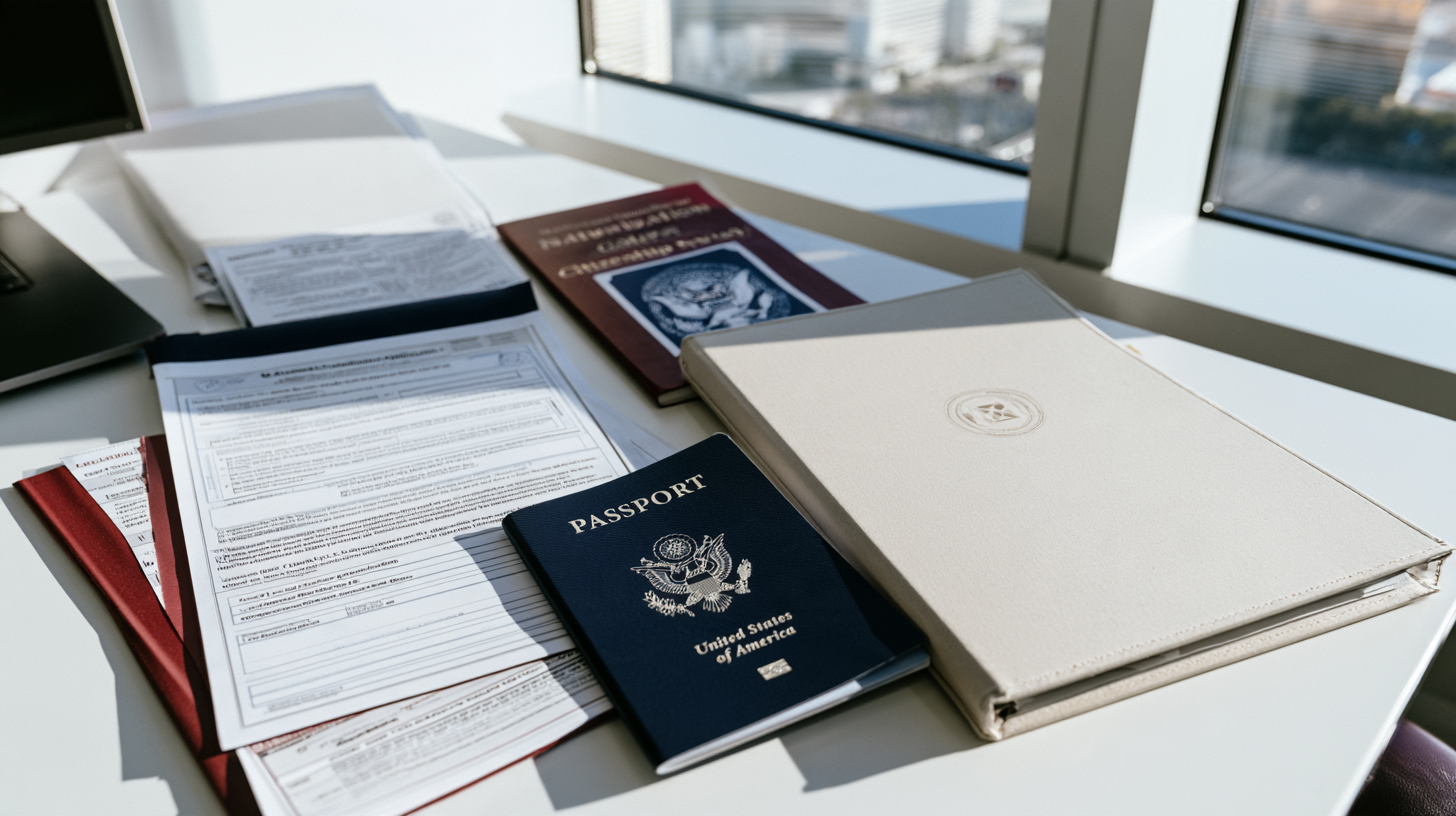
To begin the record sealing process in Nevada, you’ll need to gather and complete specific record sealing forms and documentation required by the court. These typically include a petition for record sealing, an affidavit, and a proposed order for the judge’s signature. The Las Vegas Justice Court and other justice courts provide these forms online, allowing you to download, complete, and print them for submission. All forms must be signed in ink and submitted along with a verified copy of your criminal history record, which you can obtain from the appropriate law enforcement agency.
Supporting documentation is crucial—this may include proof that you’ve met all eligibility requirements, such as evidence of sentence completion, payment of fines, and compliance with court orders. Ensuring your forms and documentation are accurate and complete will help prevent delays or rejection of your petition. If you’re unsure about any part of the process, an experienced attorney can review your paperwork and guide you through the requirements of Nevada law, increasing your chances of a successful outcome.
Denial of Petition and Next Steps
If your petition to seal your criminal records is denied by the court, you still have options. According to the Nevada Revised Statutes, you may re-petition the court after a waiting period of two years from the date of denial. Before submitting a new petition, it’s important to carefully review the court’s reasons for denial and address any deficiencies or missing information in your original filing.
You also have the right to request a judicial hearing, where you can present evidence and argue your case before a judge. Consulting with an experienced attorney can be invaluable at this stage—they can help you strengthen your petition, address the court’s concerns, and improve your chances of success. If you’re considering re-petitioning or appealing a denial, professional legal guidance can make a significant difference in achieving a favorable outcome.
Effect of Sealing Multiple Convictions
When your records are sealed, they are removed from public safety databases, background checks, and most employment verification systems. The sealed convictions still exist in government archives, but they become confidential and can only be accessed under certain circumstances, such as by law enforcement agencies, licensing agencies, or court orders related to new proceedings. For clarification purposes, having your record sealed is not the same as expungement—sealed records are hidden from public view but are not destroyed and may be accessed in specific situations.
Once sealed, you can legally state that you have no criminal record when asked by potential employers, landlords, or licensing boards. This allows persons convicted or convicted persons, including those with multiple convictions, to pursue new job opportunities, restore voting rights, and regain the ability to hold public office after having their record sealed.
Special Considerations for Certain Convictions
Some cases require extra care. For example, domestic violence, sex crimes, and felony DUI offenses are often excluded from sealing altogether. Additionally, felony convictions involving the use of a deadly weapon are not eligible for sealing. In such instances, your attorney may help explore pardon applications or alternate forms of relief under Nevada law.
If you were honorably discharged from probation or parole, this is often a prerequisite for eligibility to seal your record. Courts also consider community service, completion of treatment programs, and compliance with all prior court orders as evidence of your progress. There is a rebuttable presumption in favor of sealing if you meet all statutory requirements, but this presumption can be challenged in certain circumstances.

Immigration Consequences of Record Sealing
While sealing your criminal records in Nevada can provide significant benefits, it’s important to understand that sealed records may still be accessible to federal agencies for immigration purposes. Under federal law, a sealed record is not always removed from government databases used by U.S. Citizenship and Immigration Services (USCIS), and it may still be considered during immigration proceedings, such as applications for citizenship or permanent residency.
However, having your records sealed can still demonstrate rehabilitation and a commitment to following the law, which may be viewed positively in some immigration cases. If you have immigration concerns or are currently involved in immigration proceedings, it’s essential to consult with an experienced attorney who understands both Nevada record sealing laws and federal immigration regulations. Be sure to disclose any immigration-related issues when petitioning the court, as the judge may consider these factors when deciding whether to grant your petition. Taking these steps can help you navigate the complex intersection of record sealing and immigration law.
Benefits of Record Sealing for Multiple Convictions
Sealing multiple convictions provides far-reaching benefits. It helps you move beyond past mistakes and opens the door to better employment, housing, and educational opportunities. Your criminal record is no longer visible to most employers or background check companies, allowing you to focus on personal and professional growth.
Just as importantly, sealing your records restores your civil rights, including the right to vote, serve on a jury, and apply for professional licenses in Nevada. It’s a crucial step in truly rebuilding your reputation and achieving a fresh start.
FAQ
Can I seal more than one conviction at a time?
Yes. If your convictions occurred in the same jurisdiction, you can often file a single petition to seal all eligible records.
What if my convictions are in different counties?
You may need to file separate petitions in each county court that handled your cases, such as Las Vegas Justice Court or Carson City District Court.
How long do I have to wait before sealing my records?
The waiting period depends on your most serious conviction—ranging from one year for misdemeanors to ten years for felonies.
Will sealed records show up on background checks?
No. Once sealed, your criminal history is removed from public databases, and you may legally deny the existence of those convictions in most situations.
Conclusion: Your Path to a Clean Record in Nevada
Having multiple convictions doesn’t mean your past must define your future. Nevada’s record sealing process allows you to reclaim control of your criminal record, clear your name from public view, and rebuild your life on your terms.
At RecordSealingNevada.com, we help clients with complex criminal histories file successful petitions for record sealing, no matter how many convictions are involved. From Clark County to Carson City, our legal team ensures every detail is handled with precision.
Contact us today for a confidential consultation and let us help you take the first step toward a clean record and renewed peace of mind.