Driving under the influence (DUI) is one of the most common criminal charges in Nevada, but it also carries some of the longest-lasting consequences.
A conviction can follow you for years, affecting employment opportunities, professional licensing, housing applications, and even your reputation. Understandably, many people wonder if they can seal a DUI record in Nevada to move forward without the burden of a public criminal history.
The short answer is that some DUI records can be sealed, but others cannot. Nevada law has strict rules on which DUI cases qualify and when you are eligible to apply. Understanding these rules is essential before filing a petition.
Can You Seal a DUI or Driving Record in Nevada? Record Sealing vs. Expungement
Nevada does not allow true expungement, which would erase a criminal record entirely. Instead, the state offers record sealing. When a record is sealed, it is hidden from most background checks, making it inaccessible to employers, landlords, and the general public. However, government agencies, courts, and law enforcement can still view sealed records in certain circumstances. DUI convictions are considered part of the public record in Nevada, meaning they are accessible to employers, landlords, and other entities conducting background checks until sealed.
This distinction is important because sealing does not make a DUI conviction disappear. A DUI offense is a serious matter and remains on your record unless sealed. Individuals with multiple DUIs may face additional challenges in the record sealing process. It simply removes it from most public records, allowing individuals to pursue opportunities without constant setbacks caused by their past.

Introduction to Record Sealing
Record sealing is a crucial legal process in Nevada that allows individuals to limit access to their criminal records, including DUI records. After a DUI arrest or conviction, your record can follow you for years, showing up on background checks and affecting your ability to move forward. The record sealing process involves petitioning the court to seal your DUI record, making it invisible to most employers, landlords, and the general public.
However, the process can be complex, requiring careful preparation and legal expertise. Working with an experienced DUI lawyer can help you navigate the record sealing process, ensuring that your rights are protected and increasing your chances of a successful outcome. By sealing your DUI records, you can open doors to better employment, housing, and other opportunities that might otherwise be out of reach due to your criminal record.
Understanding DUI Records
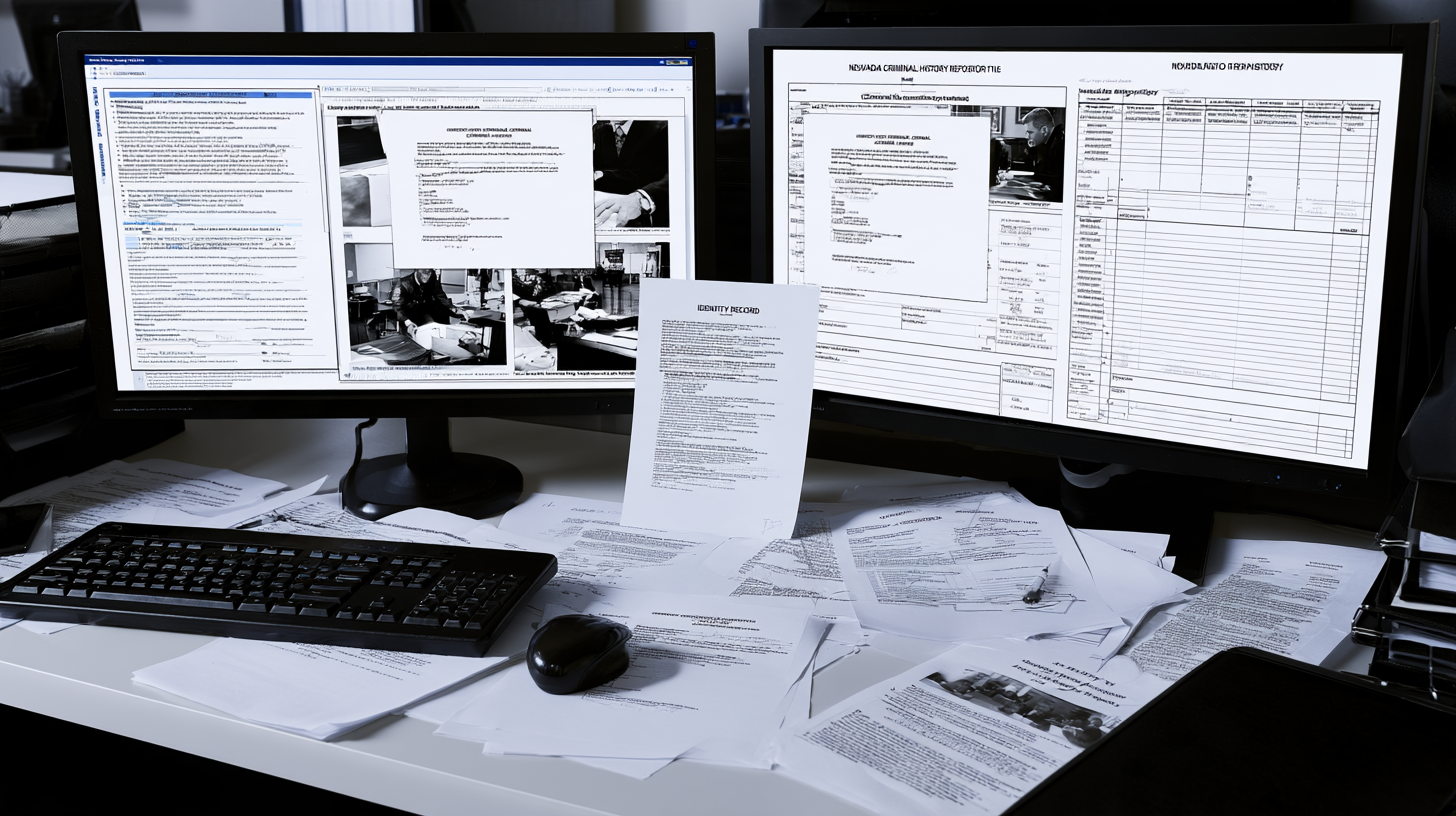
A DUI record is a type of criminal record that is created when someone is arrested for or convicted of driving under the influence in Nevada. These records are maintained by law enforcement agencies and the courts, and they include details about the DUI arrest, the outcome of the case, and any sentencing requirements imposed by the court.
DUI records are accessible through background checks, which means they can be seen by potential employers, landlords, and others conducting a criminal history report. In Nevada, the law allows for DUI records to be sealed under certain circumstances, which restricts access and removes the record from public view.
Understanding what is included in your DUI record and how it can impact your life is the first step toward taking control of your future. A knowledgeable DUI lawyer can guide you through the record sealing process, helping you protect your privacy and move forward after a DUI conviction or arrest.
Eligibility for Sealing a DUI in Nevada
When it comes to sealing a DUI, the answer depends on several factors, including the type of crime, how the case was resolved, and whether it was a first offense or a subsequent offense. A DUI is a crime, and eligibility for sealing often varies based on whether it is a first offense—which may have shorter waiting periods and different eligibility requirements—compared to repeat offenses.

Dismissed DUI Charges
If your DUI charges were filed but later dismissed or you were acquitted, you can usually petition for a record seal right away. DUI arrests that do not result in a conviction can also be sealed immediately. Since no conviction occurred, Nevada law allows for immediate eligibility.
Misdemeanor DUI Convictions
Most misdemeanor DUI convictions, including first and second offenses, can be sealed, but you must wait a specific period after the case is closed before you can petition for sealing.
This waiting period begins from the date the case is officially closed, and all sentencing requirements—such as jail time, fines, community service, or DUI classes—must be completed. Paying all court-ordered fines and fees is required before you become eligible, and you must ensure all obligations have been paid.
Felony DUI Convictions
Felony DUI cases, also known as felony DUIs, are treated much more seriously than misdemeanors. If you were convicted of felony DUI in Nevada, these records remain on your record indefinitely and cannot be sealed. This includes third DUI offenses within seven years or any DUI resulting in serious injury or death. Charges such as reckless driving, however, may have different eligibility for record sealing compared to felony DUIs.
Waiting Periods for DUI Record Sealing
The waiting period before filing a petition depends on the level of offense and begins from the date the case is closed or the sentence is completed. The length of the waiting period also depends on the type of crime involved.
- Misdemeanor DUI convictions generally require a waiting period after the date the case closes before you can apply, and this period applies to your conviction record, not just the arrest.
- Felony DUI convictions are not eligible for sealing under Nevada law.
- Dismissed cases or acquittals can usually be sealed right away.
If your petition is denied, you may have to wait a certain period before reapplying.
During this time, it is crucial to remain free of new criminal charges, as additional offenses can delay or prevent your eligibility for sealing.

The Process of Sealing a DUI Record
To seal your DUI record, you must petition the court for a DUI record seal. The process generally includes:
- Obtaining copies of your criminal history, court records, and documents from the law enforcement agency involved
- Preparing and filing a petition and affidavit for record sealing
- Filing the petition and supporting documents with the appropriate court
- Submitting the petition to the district attorney’s office for review
- Attending a hearing, if scheduled, where you can present your case for sealing your record
- If the district attorney approves, the court reviews the petition, and if the court grants the order, your records are sealed.
Once sealed, your DUI record is removed from government databases and becomes inaccessible to most background check companies. This process results in your records sealed, helping you seal your record and improve your prospects.
Attorneys who are members of the National College for DUI Defense can provide specialized assistance throughout the DUI record sealing process. Because of the legal technicalities and strict timelines, most people benefit from working with attorneys who specialize in record sealing. A single error or incomplete filing can result in delays or outright denial.
If you need help, contact us for a free consultation to discuss your options for obtaining a DUI record seal.
Employment Challenges After a DUI
Having a DUI conviction on your record can create significant barriers when it comes to employment. Many employers in Nevada conduct background checks as part of their hiring process, and a DUI record or conviction can be a major obstacle, especially for jobs that require a clean driving record or involve public safety.
Even a single DUI conviction can limit your job prospects and make it difficult to advance in your career. Fortunately, the record sealing process offers a way to remove your DUI record from public view, making it invisible to most potential employers.
By working with a DUI lawyer to seal your DUI records, you can improve your chances of finding a job and moving forward with your life. Sealing your record allows you to answer “no” when asked about criminal convictions in most situations, helping you overcome the negative consequences of a past mistake.
DUI Defense Strategies
If you are facing a DUI charge in Nevada, having a strong DUI defense is essential to protect your rights and minimize the impact on your life. DUI defense strategies can include challenging the legality of the DUI arrest, questioning the accuracy of breathalyzer or blood test results, and negotiating for reduced charges or alternative sentencing.
An experienced DUI lawyer can evaluate the details of your case and develop a defense strategy tailored to your situation. Successfully defending against a DUI charge can prevent a conviction from appearing on your criminal record, making the record sealing process easier or even unnecessary. Even if a conviction does occur, a skilled DUI lawyer can help you understand your options for record sealing and guide you through the process.
Taking proactive steps in your DUI defense not only helps with your current case but also protects your future opportunities by reducing the long-term impact of a DUI on your record.
Why Sealing Your DUI Record Matters
Even a misdemeanor DUI can create obstacles for years after the case has ended. Employers often run background checks as part of the hiring process, and landlords regularly screen tenants. If your conviction record is not sealed, it can remain on your record indefinitely, affecting your opportunities for employment and housing. A sealed record allows you to answer “no” when asked if you have a criminal conviction, except in very limited situations such as applying for certain government positions.
Sealing your conviction record provides a second chance to move forward without the constant shadow of a past mistake.

FAQ
Can a first-time DUI be sealed in Nevada?
Yes, if it is a misdemeanor conviction, a first-time DUI can usually be sealed after the required waiting period once the case is fully closed. After completing the process, you can obtain a sealed record.
Can a felony DUI be sealed in Nevada?
No. Nevada law does not allow felony DUI convictions to be sealed.
What happens if my DUI case was dismissed?
If your charges were dismissed or you were acquitted, you can typically petition to have your record sealed immediately.
How long does it take to seal a DUI record?
The timeline varies, but once eligible, the process can take several months from the time the petition is filed to receiving the final court order.
What happens if my petition to seal is denied?
If your petition is denied, you may need to wait a specified period before reapplying. You can also review the reasons for denial and file a new petition after addressing any issues.
How long does a DUI stay on your record in Nevada?
A DUI stays on your Nevada criminal record is permanently unless you successfully seal or expunge it. On your DMV driving record, a DUI stay typically lasts for 7 years, but it may remain longer for certain legal or administrative purposes.
Conclusion
A DUI can have long-term consequences, but in Nevada, there are opportunities to seal certain records. Attorneys in Las Vegas are familiar with local DUI record sealing laws and can help determine if your misdemeanor convictions or dismissed cases may qualify once the required conditions and waiting periods are met.
Because the process can be complex, it is important to obtain legal help from experienced attorneys. With the right guidance, you may be able to obtain a sealed record and create a fresh start for your future.
Important Note:
Expungement is not available under Nevada law. Unlike some other states, Nevada does not have a legal process for permanently erasing or destroying a criminal record. Instead, Nevada law allows for record sealing under NRS 179.2405 – 179.301.
Sealing a record does not erase the record itself, but it makes it legally inaccessible to the public, employers, landlords, and most agencies. For nearly all practical purposes, once your record is sealed, you can lawfully state that the incident “never occurred.”This distinction is important because many people search for “expungement in Nevada” without realizing that the correct legal remedy is record sealing. By pursuing record sealing, you can still achieve most of the same protections and a fresh start that people associate with expungement.