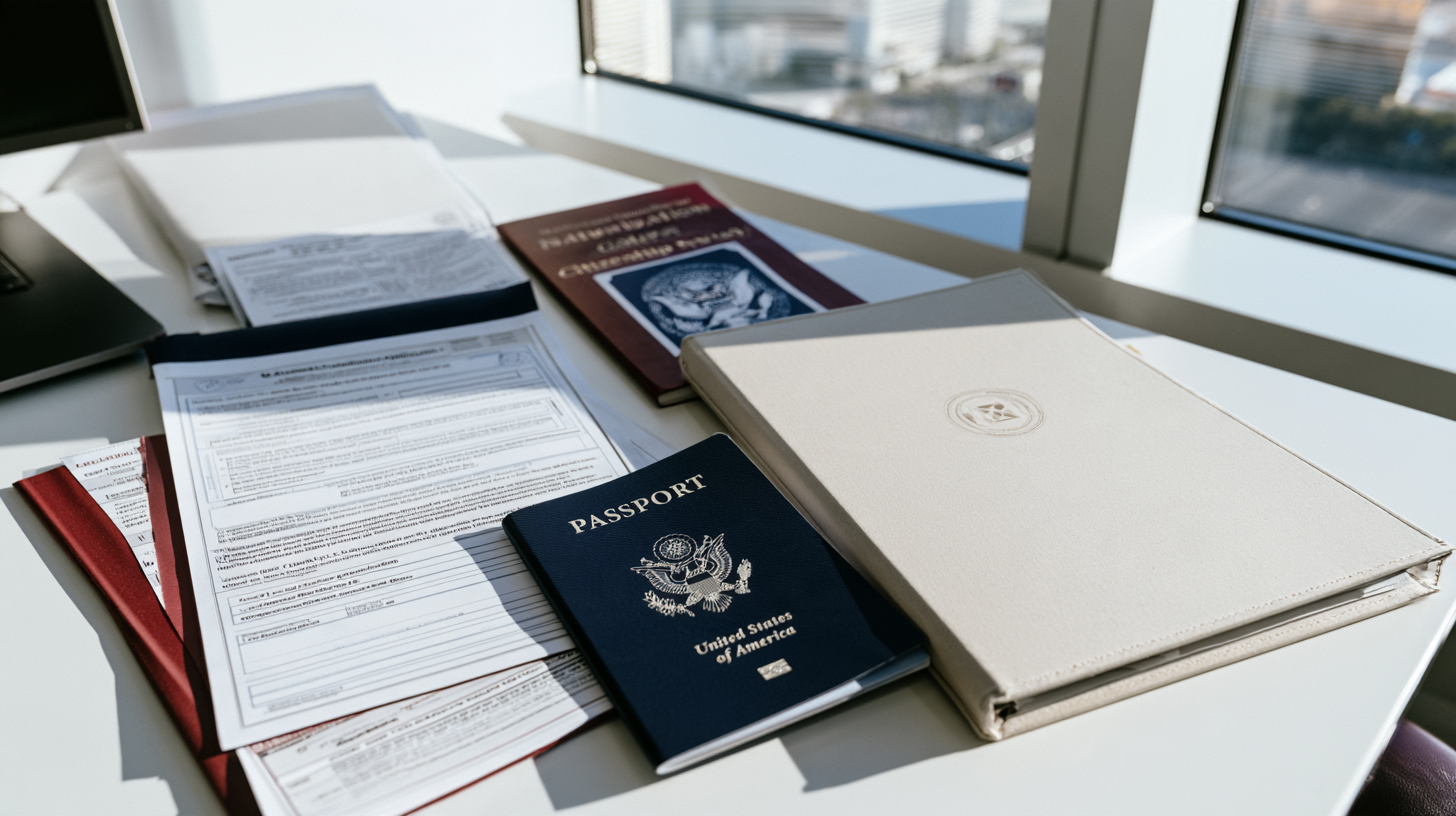
In Nevada, especially in high-traffic areas such as Las Vegas and Henderson, rideshare safety is a top priority. Companies like Uber and Lyft must ensure that every driver meets strict legal, safety, and behavioral standards before transporting passengers. This process begins with a comprehensive criminal background check and continues through ongoing monitoring throughout a driver’s time on the platform.
Many new applicants believe that holding a valid driver’s license, maintaining a clean vehicle, and having the motivation to earn money are enough to qualify. However, the reality is far more complex. Rideshare companies review your criminal background, evaluate your driving record, assess your past seven years of activity, and ensure you comply with Nevada’s regulations for transportation network companies (TNCs).
This guide explains Uber, Lyft, and criminal background checks: what each platform requires in Nevada, helping prospective drivers understand how eligibility is determined, which violations may lead to disqualification, and why the state enforces some of the strictest standards in the nation.
How Background Checks for Uber and Lyft Work in Nevada
Before activating driver mode, every applicant must undergo a mandatory criminal background check conducted by an authorized screening company. These screenings access national, state, and county databases to determine whether the applicant presents any safety risks.
Nevada adds a layer of regulation through the Nevada Transportation Authority (NTA), which requires rideshare companies to maintain safety protocols that exceed those in many other states. This oversight ensures compliance, accuracy, and increased accountability.
Each background check evaluates three essential areas that determine eligibility, and an issue in any category can delay or deny approval.
The first area is the criminal history, which is examined for offenses involving violence, theft, drugs, or actions that may endanger passengers. The second area is the driving record, which reveals patterns of dangerous behavior, such as speeding, DUIs, or reckless driving. The final area is the applicant’s overall compliance with company-specific and state-mandated requirements. A failure in any of these categories may result in disqualification.
Initial Driver Requirements: Age, Licensing, and Experience
Before an applicant reaches the background check stage, both Uber and Lyft verify whether the driver meets basic eligibility criteria. These requirements ensure a minimum level of maturity, safety awareness, and driving competence.
Applicants must be at least 21 years old, and in some cases, Lyft requires drivers to be 25 or older, depending on the service offered. All drivers must hold a valid driver’s license, and the platforms often require at least one year of licensed driving experience, or two years if the applicant is under 23.
If these baseline requirements are not met, the application does not proceed. This preliminary step ensures that only qualified individuals continue to the more detailed evaluations involving criminal background and driving behavior.
Vehicle Requirements in Nevada
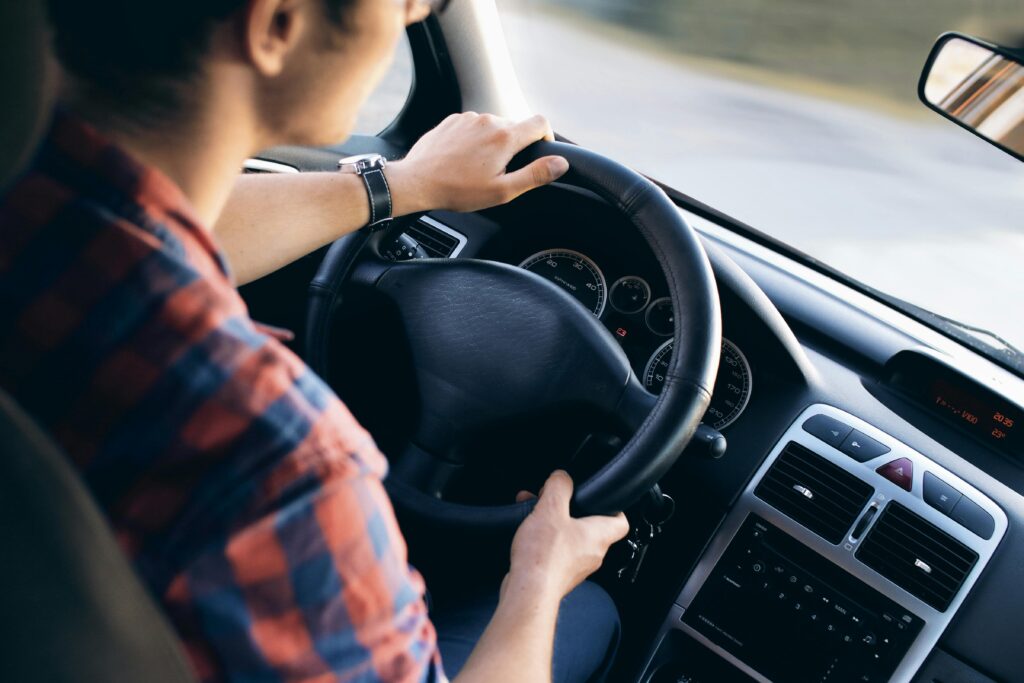
Nevada imposes strict vehicle requirements to maintain a high level of passenger safety, particularly in tourism-heavy areas such as the Las Vegas Strip and Downtown. These requirements apply to both Uber and Lyft, and they are enforced with consistent inspections.
To qualify, a vehicle must have four doors, fully functional working windows, and properly maintained safety features such as seatbelts and airbags. The vehicle must also pass a yearly vehicle inspection, which confirms that it is mechanically sound and safe for public transportation.
Nevada requires that rideshare drivers carry Nevada vehicle insurance that matches the driver’s legal name. The vehicle must be properly registered, and the insurance must remain active at all times while the driver is operating through the app. A vehicle that fails to meet these standards cannot be activated on the platform, regardless of the driver’s background check results.
Driving Record Evaluation: Violations, DUI, and Reckless Driving
A driver’s driving record plays an equally important role in determining eligibility. Uber and Lyft review the past seven years of traffic history, looking for patterns of dangerous or irresponsible behavior that could place passengers at risk.
Drivers with recent DUIs, convictions for reckless driving, or a history of repeated traffic violations often face automatic rejection. Major collisions, hit-and-run incidents, or any driving behavior indicating negligence can also disqualify an applicant.
Rideshare companies must maintain public trust. A driving record with repeated violations suggests a safety risk that Nevada regulators do not allow within the rideshare industry.
Criminal History Evaluation
The criminal history review is the most sensitive part of the process. Uber and Lyft disqualify applicants whose criminal backgrounds suggest danger or unreliability. Nevada requires a stringent standard to protect passengers, especially given the state’s heavy tourism activity.
Offenses related to sexual assault, violence, kidnapping, or robbery usually lead to immediate disqualification. Certain drug-related offenses, particularly those involving distribution, can also prevent approval. Some crimes—specifically those involving sexual misconduct or extreme violence—result in permanent ineligibility, no matter how long ago they occurred.
Even older offenses may present complications, depending on severity and whether they indicate a threat to passenger safety.
Differences Between Uber and Lyft Background Check Policies in Nevada
Although both companies comply with Nevada’s TNC regulations, each platform has unique evaluation methods.
Uber tends to focus heavily on recent violations and behavioral patterns. The company monitors new legal information continuously and may suspend a driver if new charges appear, even before a case reaches a verdict. This approach prioritizes immediate passenger safety.
Lyft, on the other hand, emphasizes continuous monitoring with frequent review cycles. The company performs periodic re-checks to ensure that drivers maintain compliance. In Nevada, Lyft also requires additional inspections for certain specialty or premium vehicle categories.
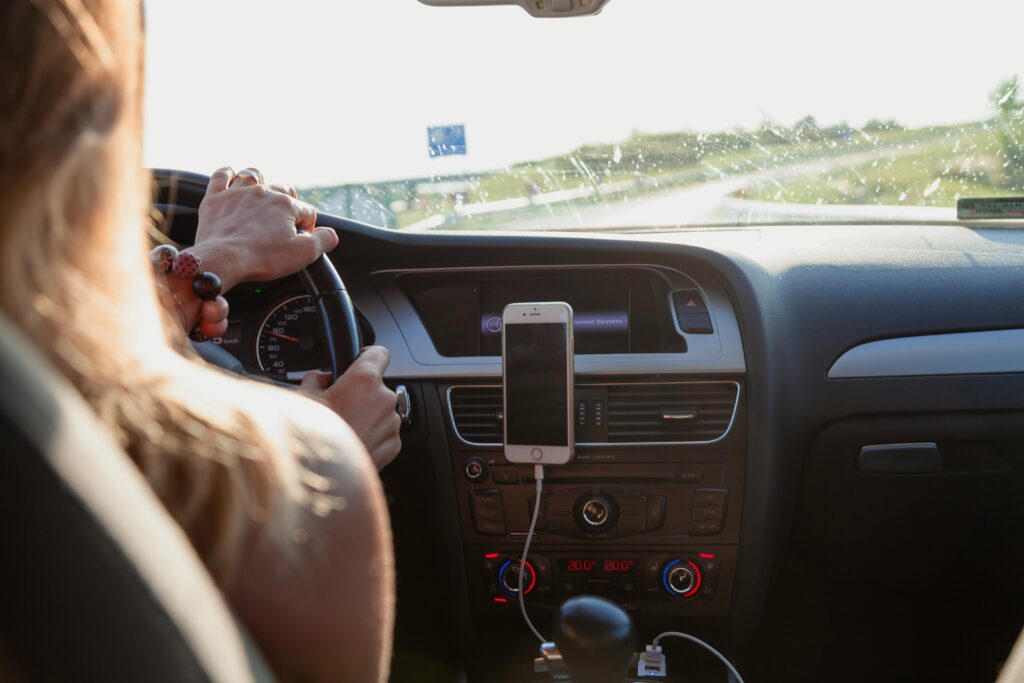
Are Fingerprint-Based Background Checks Required in Nevada?
Nevada does not require rideshare drivers to complete fingerprint-based background checks. This requirement applies only to taxi drivers and certain commercial transportation categories.
Uber and Lyft instead rely on commercial screening systems that examine national criminal databases, county records, sex offender registries, and state-level court filings. Although fingerprinting is not part of the process, these screenings are detailed and swift, allowing Nevada to uphold strong safety standards.
How the “Past Seven Years” Rule Works for Rideshare Eligibility
Most background check decisions rely on the applicant’s actions within the past seven years. However, certain crimes—such as sexual offenses or violent felonies—can disqualify a person permanently.
Drivers with older DUIs or decades-old non-violent offenses may still qualify, depending on the details. But severe offenses involving harm, threats, or endangerment of passengers may make approval impossible, regardless of when the incident occurred.
Nevada enforces these standards to ensure long-term protection for passengers and rideshare users.
Penalties and Risks for Driving Without Meeting Uber or Lyft Requirements
Driving for Uber or Lyft without meeting Nevada’s eligibility requirements is a serious violation. A driver who bypasses the rules may face immediate deactivation, civil liability, and penalties from the Nevada Transportation Authority.
If an accident occurs while the driver is non-compliant, insurance companies may refuse coverage, and the driver could be held personally responsible for damages. Violations related to insurance, registration, or operating without proper authorization can lead to significant fines and potential legal consequences.
How Nevada’s TNC Regulations Protect Passengers in Las Vegas and Henderson
Nevada’s rideshare regulations are designed to ensure maximum safety, especially in areas with high passenger volume. The NTA requires ongoing review of driver qualifications, annual inspections, active insurance verification, and compliance with both company and state standards.
These rules help ensure that passengers—whether they are residents or visiting tourists—are transported safely by qualified individuals.
What Happens When an Uber or Lyft Accident Reveals Non-Compliance?
A rideshare accident often exposes details that were previously unnoticed. Insurance investigators may discover expired registrations, incorrect insurance, or disqualifying criminal backgrounds that should have prevented the driver from operating.
When non-compliance is discovered during an accident investigation, the driver may face immediate removal from the platform. Nevada authorities may also impose penalties for unauthorized commercial operation. In cities like Las Vegas, where claims are frequent, accident investigations are especially rigorous.

What to Do If You Are Disqualified Because of Your Criminal Background
A failed background check does not necessarily end your opportunity to drive for Uber or Lyft. Many disqualifications are linked to criminal records that may qualify for record sealing under Nevada law.
If the disqualification involves an old conviction, a dismissed case, or an offense eligible for sealing, you may petition the court to seal your criminal record. Once sealed, the case is removed from public access and typically no longer appears on the commercial background checks used by rideshare companies.
How Record Sealing Helps Rideshare Drivers in Nevada
Record sealing can significantly improve a driver’s chances of qualifying or requalifying for Uber or Lyft. Once sealed, the record generally becomes invisible to the databases used during the screening process.
Although the platforms do not guarantee approval after sealing, many Nevada drivers have regained eligibility once their records are no longer visible. Record sealing can be a powerful step toward meeting driver requirements and reapplying successfully.
How a Criminal Defense Attorney Can Protect Your Eligibility
If you are accused of a crime—such as DUI, reckless driving, or drug-related offenses—your rideshare eligibility may be threatened before the case is resolved. A criminal defense attorney can help protect your status by challenging the evidence, negotiating reduced charges, and preventing avoidable convictions from impacting your record.
Legal representation is crucial in cities like Las Vegas, where rideshare drivers frequently encounter traffic stops, tourist-related incidents, and allegations that can jeopardize their ability to work.
FAQ
Does Nevada offer expungement for criminal records?
Nevada does not offer traditional expungement. Instead, the state allows eligible individuals to pursue record sealing, which removes the case from public access and from most commercial background checks used by Uber and Lyft. Sealing provides many of the same benefits as expungement in other states.
How long does it take to seal a criminal record in Nevada?
The timeline depends on the court, the county, and the complexity of the case. Most record sealing petitions in Nevada take three to nine months to complete. Courts in Clark County—especially Las Vegas—often process cases faster than rural areas.
Can a sealed record still appear on an Uber or Lyft background check?
Generally, no. Once a record is legally sealed in Nevada, it becomes invisible to most commercial background check companies, including those used by Uber and Lyft. This often improves your chances of qualifying or reapplying as a rideshare driver.
Conclusion
Driving for Uber or Lyft in Nevada can be a dependable source of income, but it comes with strict requirements designed to protect passengers. Your criminal background, driving history, vehicle compliance, and insurance coverage are all evaluated before you are approved to drive—and monitored throughout your time on the platform.
If a past mistake is preventing you from qualifying, record sealing may give you a second chance. Nevada law allows many individuals to seal eligible cases, improving background check results and opening the door to new opportunities.
Your past does not have to define your future. With the right legal guidance, you can rebuild your eligibility and protect your ability to drive.
To find out whether your criminal record is eligible for sealing, contact Record Sealing Nevada today for a confidential consultation.