If you’re a person wishing to seal past criminal records from a Nevada misdemeanor, this guide gives you practical steps for gathering documents, filing in the appropriate court, answering objections, and staying organized—plus tips on timing, professional help, and how to maximize your chances of success.
It weaves in the essentials of criminal record sealing, from the official criminal history report to the final orders the court grants to relevant agencies.
What Counts as a Misdemeanor in Nevada
A misdemeanor is a criminal offense punishable by jail time, a fine, or both. It’s less serious than a felony but can still appear on a background check and affect jobs, housing, and licensing. Nevada also recognizes gross misdemeanors (sometimes called D felonies in other contexts), which often carry longer waiting periods set by statute. Knowing where your case falls on this spectrum helps you decide whether sealing is worth pursuing and what timeline and record sealing forms you’ll need.

Overview of the Sealing Process in Nevada
Record sealing shields eligible criminal records from routine public view. The sealing process generally includes:
- Verifying eligibility under the Nevada Revised Statutes, the Nevada Legislature established.
- Obtaining your official criminal history report (and local SCOPE report, where applicable).
- Prepare one petition with all past criminal records you intend to seal.
- Filing in the appropriate court (often the district court, Las Vegas Justice Court, or municipal court).
- Serving the prosecuting agency (usually the district attorney’s office) and any other relevant agencies.
- Attending a hearing is set. If a judge agrees, the court grants an order and sends a verified copy to agencies so that records continue to be sealed.
Note: Law enforcement involved and certain government agencies may access sealed records in specified circumstances.
Eligibility Criteria for Record Sealing
Eligibility turns on:
- Offense type and final disposition (conviction, dismissal, diversion completion).
- Time elapsed since disposition (the waiting period begins after sentencing, suspended sentence, probation, or dismissal).
- Absence of standing violations (unpaid fines, restitution, or new criminal charges).
Most misdemeanor offenses can be sealed if you meet the waiting period and there’s no statutory exclusion (e.g., certain sex crimes or offenses tied to a deadly weapon). Accuracy matters: match case numbers, dispositions, and dates across all filings.
Waiting Periods and Exemptions
The waiting period typically starts after final disposition or completion of probation. Filing too early risks denial. Diversion and specialty courts can alter timing—document completion and discharge. Some matters (e.g., felony DUI, certain sexual offenses) are not sealable, while others may carry longer waits. When statutes create a rebuttable presumption after the waiting period, strong compliance and rehabilitation evidence help the court apply it.
Sealed vs. Expunged: Key Differences
- Sealed records: restricted from public view; law enforcement agencies, courts, and some professional licensing boards may still review when authorized.
- Expungement: erasure as if it never occurred (not generally available for Nevada convictions).
For most private background checks, sealed records don’t appear, which is why most employers and landlords won’t see them.

Filing in the Appropriate Court
File where the original case was handled:
- District court for more serious matters.
- The Las Vegas Justice Court or other justice courts for many misdemeanors.
- Municipal court, where the case originated.
If your history spans multiple courts (e.g., Clark County, North Las Vegas, Las Vegas municipal), you may need separate petitions. Confirm jurisdictions, court requirements, and clerk instructions before submitting.
The Role of District Court and Justice Courts
Match each petition to the court of original jurisdiction. Some venues allow consolidation; others require separate filings. Local practice varies, so review each court’s rules and any venue-specific record sealing resources.
Required Forms and Documentation
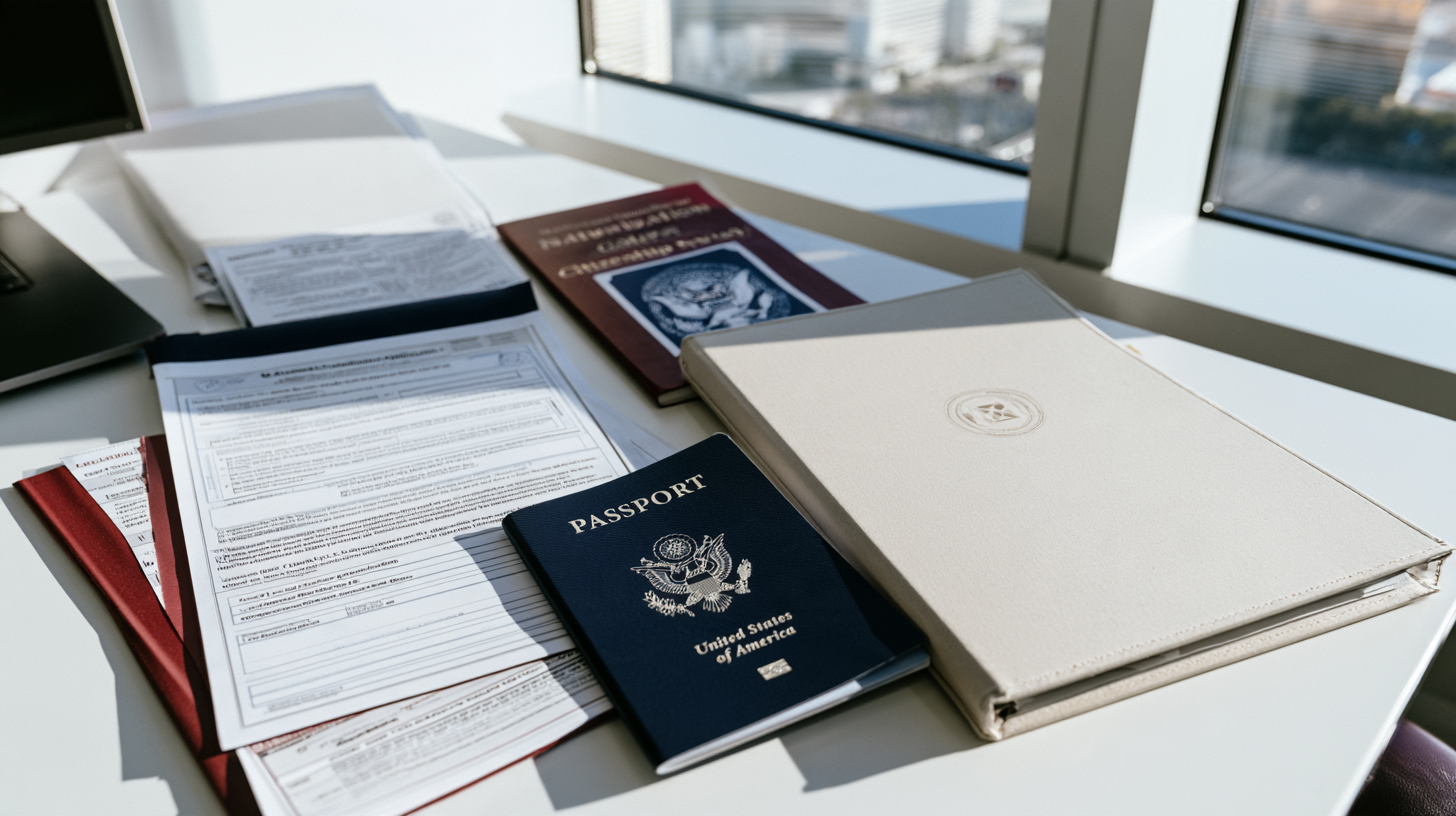
A complete packet usually includes:
- Petition to seal records listing charges, case numbers, and final dispositions.
- Proposed order for the judge’s signature if the petition is granted.
- Proof of compliance (probation, fines, classes, restitution).
- Official criminal history report and local SCOPE report (from Las Vegas Metropolitan Police Department/Las Vegas Metropolitan Police, if applicable).
- A declaration/affidavit describing rehabilitation and reasons for sealing.
Provide exact case details, accurate dates, and legible verified copies to minimize objections and delays.
Effect of Sealed Records on Background Checks
A sealed record is typically removed from public-facing reports, improving job and housing prospects. Some exceptions apply—certain contractors, government agencies, or roles needing special clearances can still review. Keep a certified sealing order to resolve screening questions quickly.
Access to Sealed Records by Agencies and Law Enforcement
Sealed records remain accessible to law enforcement, courts, and certain state entities for investigations, sentencing, licensing reviews, or public safety. Internal references may be retained to meet legal duties. This balances rehabilitation with accountability.
Consequences for Professional Licensing
Professional licensing boards (education, healthcare, security, gaming, and others) may request disclosures or review sealed materials under statute. Sealing reduces stigma but may not end disclosure obligations—be ready to present the context of your rehabilitation and your sealing order.
Common Obstacles and How to Overcome Them
Frequent pitfalls include missing dispositions, wrong case numbers, wrong venue, or incomplete history. To avoid them:
- Request your official criminal history report early and reconcile it with court dockets and SCOPE.
- Verify every date and disposition before filing.
- Label and paginate exhibits clearly.
- Seek help from Nevada Legal Services, pro bono volunteers, or counsel if you encounter conflicting other records or deadlines.
Offenses and Sealing: DUI, Drug Crimes, Sex Offenses
Not all offenses are treated alike. Some drug-related driving/DUI, certain drug offenses, sexual offenses, crimes with a deadly weapon, or serious injury may be excluded or stricter. Elements like actual custody can complicate eligibility. Confirm the rules for your charges with the court clerk or counsel before filing.
Handling Official Criminal History Reports
Obtain your official criminal history report from the Nevada Department of Public Safety and compare it with SCOPE. Correct errors before filing. If an arrest or disposition is missing or mislabeled, request a fix through the reporting agency or clerk. Mismatches are a common cause of objections and continuances.
Resources for Nevada Residents: Legal Aid and Pro Bono
Consider:
- Nevada Legal Services and the Clark County Bar Association for clinics and free legal education.
- The Legal Aid Center and pro bono volunteers for one-on-one help.
- Boyd School of Law clinics and community education classes (watch for upcoming class dates).
Early guidance prevents avoidable denials and shortens your path to an order.
The Prosecutor’s Role and the District Attorney’s Office
After filing, the prosecuting agency (often the district attorney’s office) reviews your petition. They may consent, object, or propose modifications. If there’s an objection, respond with documents, legal authority, and a concise rehabilitation narrative. A cooperative response can streamline the path to an order that the court grants.

How Long Sealing Takes and Timeline Expectations
Timelines vary by calendar, complexity, service on relevant agencies, and whether a hearing is set. Expect several weeks to a few months—longer if corrections or multiple venues are involved. Build in time for records requests and potential continuances. Careful prep and exact matching of identities, dates, and dispositions reduce delays.
Court Hearings and What to Expect
If a hearing is set, the judge will review your petition, exhibits, and any objections. Be prepared to explain rehabilitation, compliance, and eligibility timing. The court may grant, deny, or conditionally grant. Bring organized copies, certificates, and character references. If the judge agrees, the court issues an order to seal and distributes it to repositories.
After Sealing: Maintaining Your Record and Disclosures
Once sealed, agencies and repositories are notified. Keep a certified order. You may generally state you have no record for most private purposes, but certain applications (licenses, government roles) may still require disclosure. Present the order if a screening flags old data.
Special Considerations for Clark County and North Las Vegas
Local practice matters. In Clark County, Las Vegas, and North Las Vegas, confirm venue-specific forms, service addresses, and hearing calendars. Coordination among the district attorney, court clerks, and law enforcement involved affects scheduling. When in doubt, call the clerk or a local clinic.
Next Steps and Reapplication if Denied
If denied, read the reason. Correct issues and refile after the waiting period ends, or seek relief if there’s a legal error. Update your official criminal history report, gather proof of compliance, and clear any standing violations before trying again. Each accurate step—clean records, timely filings, organized exhibits—improves your odds on the next attempt.
Practical Steps Checklist (Stay Organized and On Time)
- Gather your official criminal history report and SCOPE report; reconcile with court dockets.
- Confirm waiting periods set by statute and that your waiting period begins from the correct final disposition date.
- Use current record sealing forms; complete one petition per court unless consolidation is allowed.
- File in the appropriate court; serve the prosecuting agency and all relevant agencies.
- Track service dates, objections, and responses; calendar hearings.
- Prepare a concise rehabilitation statement and attach proof (classes, employment, compliance).
- Keep verified copies and a master index so you can answer questions fast.
FAQ
Where do I file my sealing petition?
In the appropriate court that handled the original case—often the district court, Las Vegas Justice Court, or a municipal court tied to the arrest location.
How do I prove I meet the waiting period?
Attach the final disposition, proof of completion of probation or fines, and calculate from the correct date. The waiting period begins after disposition or discharge.
Will sealed records still appear for licensing boards or government work?
Professional licensing boards and some government agencies may access sealed records in specified circumstances. Be ready to provide your order and rehabilitation context.
Does sealing restore my right to bear arms or hold office?
Sealing improves privacy and opportunities, but certain civil rights—like the right to bear arms or hold office—may require other remedies (e.g., pardon). Ask counsel about your facts.
What local help is available in Clark County?
Check Nevada Legal Services, Clark County Bar Association, Legal Aid Center, Boyd School clinics, and courthouse community education classes for record sealing resources and free legal education.
Conclusion
Sealing misdemeanors in Nevada is achievable when you verify eligibility, compile exact records, file in the right venue, and respond cleanly to objections.
With the right plan—and support from Nevada Legal Services, bar and law school clinics, and pro bono volunteers—eligible Nevadans seeking to seal Nevada criminal records can reduce the impact of past criminal records on work, housing, and licensing while maintaining public safety safeguards.
Stay precise, stay organized, and give your petition the best chance for the court to grant it.