A criminal record can feel like a permanent label, even after you have rebuilt your life. Employers, landlords, and licensing boards often rely on public access to court data, and a single old arrest or conviction can change how people treat you before they ever meet you. In Nevada, record sealing is designed to restore privacy and opportunity, but the path is not always automatic.
Many people picture record sealing as simple filing: submit a petition, wait, and receive a court order. In reality, the outcome often turns on whether the prosecuting attorney supports the request or files opposition. When prosecutors raise questions, a case can stall, require a hearing, or end with a court denies result even when a person appears eligible.
That is why direct communication with a prosecutor is sometimes the most strategic part of the process. When handled correctly, it can clarify misunderstandings, narrow disputes, and prevent avoidable denial. When handled poorly, it can create new issues in the record sealing timeline.
Direct communication does not mean arguing your life story. It means presenting a clean, accurate, legally grounded request—supported by the right documents—so the prosecutor can evaluate eligibility and respond in a way that helps the court reach a fair decision.

When a Record Sealing Petition Requires Direct Communication with Prosecutors
Direct communication with a prosecutor becomes essential when the paperwork alone cannot answer what the state needs to understand. A record sealing petition involves filing a formal petition with the court and serving it to the state attorney or prosecuting attorney, and in many jurisdictions, the petitioner is responsible for sending a copy of the completed petition to the prosecutor’s office. This often happens when the record includes multiple charges, unclear dispositions, or a history that touches different criminal justice agencies. Even small inconsistencies can trigger a delay because prosecutors must confirm the case is truly eligible under Nevada law.
It also matters when a prior outcome is confusing on its face. The subject of the petition is the specific arrest, charge, or conviction record the petitioner seeks to seal, and the prosecutor may be opposing the petition if there are ambiguities. A record may show a charge was dismissed, but still reflect an adjudication entry, an amended count, or a final note that makes the case look more serious than it is. If the prosecutor sees ambiguity, they may file opposition instead of agreeing—simply because they do not want the court to grant relief on an incomplete file.
Communication becomes even more important when the case involves a felony, allegations that sound like violence, or any fact pattern that prosecutors commonly scrutinize. Taking a straight conviction on your criminal record will exclude you from being eligible to seal a record from the general public. The issue is not whether you deserve a fresh start. The issue is whether the record and the law line up under the required provisions and procedures for a seal.
Another common trigger is timing. If there is a question about the date a sentence was completed, a period of probation, or whether the waiting time has fully run, the prosecutor may object rather than risk an improper grant. Most prosecutors require proof that you have completed the terms of your sentence, such as paid fines or finished probation, before considering a sealing or expungement request. In these situations, direct communication can show “complete” compliance, clarify the timeline, and reduce the chance the court denies the petition on a technicality.
This is also where people get misled by out-of-state information. You may see search results referencing Florida statutes, Florida, or even Arkansas, and assume the same rules apply. Nevada’s record sealing system has its own requirements, and using the wrong “state” framework can cause you to submit the wrong form, serve the wrong office, or misunderstand what the prosecutor is allowed to request. Sealing and expungements are available for both adult and juvenile cases, and the sealed records rules apply to both civil and criminal cases.
Finally, direct communication is often necessary when a person has any sensitive record category, including certain juvenile cases or a prior trial court file that is not easily accessible. Prosecutors may need confirmation that sealing is legally permitted under the correct Nevada pathway, especially when the record is fragmented across courts or agencies.

What Prosecutors Review Before Agreeing or Filing Opposition
Prosecutors are not simply deciding whether they “like” the request. They evaluate whether the petition satisfies legal eligibility, whether the record matches court dispositions, and whether the state received proper notice. The prosecuting attorney is responsible for reviewing the petition and determining whether all legal requirements are met. If the prosecutor believes the petition fails on any requirement, they may file a written response asking the judge to deny it.
A prosecutor will typically confirm the outcome. That includes whether the person was found guilty, whether there was a plea, whether the defendant completed sentencing terms, and whether any conditions remain open. If the file shows an unresolved obligation—sometimes hidden in a clerk’s internal notes—the prosecutor may treat the matter as not yet eligible.
They also consider whether the sealing request is overbroad. If the petition lists charges that were never part of the final case, or if it tries to seal a record category that is not allowed, the prosecutor may object rather than partially agree. The state’s position often becomes, “Fix it first, then refile,” which is effectively a denial in practice.
Prosecutors also think about future disclosure rules, including when disclosing sealed information to third parties is permitted or prohibited. Even when a record is sealed, certain entities may retain limited access under certain conditions. If a petition is worded in a way that implies the record will be treated as expunged in every context, the prosecutor may push back. In Nevada, record sealing vs expungement is a real legal distinction, and clarity protects you from making accidental misstatements after the record is sealed.
If the prosecutor suspects the petition is missing required service steps—meaning it was not properly served on the right agency or routed through the right clerk pathway—they may oppose on procedural grounds alone. That is painful because it does not address your rehabilitation; it only says the request did not follow the rule.
In contested cases, prosecutors may also evaluate whether there is a factual dispute that belongs in front of a judge. If they believe the record needs interpretation, they may force a hearing even where the law otherwise supports sealing. That is why proactive communication can matter: it can narrow the dispute before it becomes a courtroom event.
Once the State approves or objects to the Petition, the Response is sent to the Judge for final approval.
How Attorneys Communicate with Prosecutors to Protect Your Chances
A strong record sealing strategy begins with accuracy. An experienced attorney or counsel verifies dispositions, identifies every relevant criminal justice agency, and prepares a petition that tells the prosecutor exactly what is being requested and why it is legally supported. Attorneys help clients seek record sealing by ensuring all procedural requirements are met. The goal is to prevent confusion that leads to opposition.
Attorneys also know when to use an affidavit or supplemental declaration to explain a timeline or correct an unclear record entry. This is not about rewriting history. It is about ensuring the prosecutor and the court have the same understanding of what the official record already shows.
When communication is needed, lawyers keep it professional and targeted. They ask the prosecutor what specific issue is driving opposition, what supporting documents would resolve it, and whether a narrower agreement is possible. In many cases, the real dispute is not “should this be sealed,” but “is the file complete and served correctly.”
If the prosecutor insists on opposition, attorneys prepare for the next step without panic. They evaluate whether a motion response is appropriate, whether the judge is likely to require a hearing, and whether an appeal is even available or practical if the court denies the request. Most importantly, they protect the record by ensuring nothing in the communication becomes an unintended admission that complicates future relief.
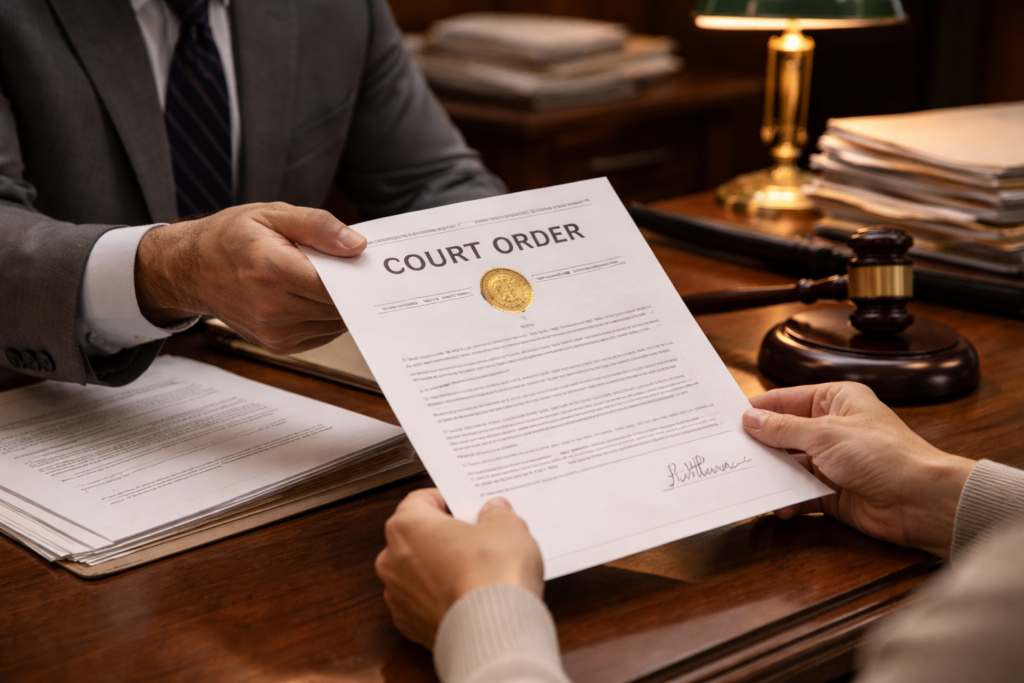
After an order is granted, attorneys often help with implementation. A court order does not automatically update every database overnight. The sealing must reach the correct clerk’s office and the right agencies so the record becomes properly sealed in the systems that matter for background checks and public searches. Getting a background check also makes the process of sealing your criminal records easier, because you will have the information that you need to give to the court and the prosecuting attorney.
FAQ
Can a prosecutor stop my record from being sealed?
A prosecutor can file opposing documents and ask the judge to deny the petition, but the final decision belongs to the court; when eligibility and procedures are satisfied, proactive communication can often reduce objections and improve the chance the court will grant relief.
What should I do if the court denies my record sealing petition?
If the court denies the request, the next step is usually to identify the reason—missing documents, improper service, or eligibility timing—and correct it rather than repeating the same filing; in some situations, an attorney may discuss whether a motion to reconsider or appeal makes sense, but many denials are fixable with a cleaner submission.
Is a sealed record the same as expunged?
No—Nevada primarily uses sealed records, which restrict public access rather than fully erasing the record as expungement might imply; understanding this distinction helps you avoid mistakes in future disclosure and ensures the petition matches Nevada law rather than Florida-style expungement language.
Do juvenile cases require communication with prosecutors, too?
Some juvenile cases can involve additional procedures or agency coordination, and prosecutors may request clarification about the correct pathway and conditions; direct communication can help confirm what the court can seal and what notices must be provided.
Conclusion
Record sealing in Nevada is not only about eligibility—it is about execution. When prosecutors see missing information, unclear dispositions, or service errors, they may file opposition, and a person who should have received relief can end up delayed or denied. Direct communication, handled carefully, can resolve these issues before they harden into a court fight.
If you want the strongest chance at a granted seal and a clean process that protects your future, hire a Nevada record sealing attorney who can evaluate your record, communicate with the prosecutor when needed, and guide you from petition through order. Contact a Nevada record sealing attorney today to schedule a confidential consultation and get personalized guidance for your specific record.