A criminal record can continue affecting a person long after a case is over. It can interfere with housing, employment, professional licenses, and the simple peace of mind that comes with knowing your past mistakes no longer dominate your future. In Nevada, record sealing law exists because the state recognizes a strong public policy in favor of rehabilitation and second chances, but the path to relief still depends on timing, accuracy, and strict compliance with the law.
For many people, the real problem is not just determining eligibility. It is understanding how the record sealing process works in practice, how long it takes, and what can go wrong between the initial review and the judge’s final order. Even when someone is legally eligible, delays often happen because the process involves multiple agencies, detailed paperwork, and court-specific procedures that are easy to underestimate.
That is where legal representation can make a meaningful difference. An experienced attorney cannot change the statute, but strong legal help can reduce preventable mistakes, anticipate objections, and guide the case through the proper channels with less confusion. In many situations, that kind of focused support is what helps a person move forward more efficiently toward sealed records and a genuine fresh start.
When Legal Representation Helps Prevent Record Sealing Delays
The Nevada sealing process is technical by design. State guidance explains that a person usually must obtain an official Nevada criminal history, identify the correct court, and follow the procedures in the jurisdiction where the arrest or conviction occurred. That sounds simple on paper, but it becomes more complicated when the case involves old files, multiple arrests, or records spread across different courts and agencies. The type of crime and its classification can significantly affect the complexity of the record sealing or expungement process, as certain convictions may have stricter requirements or longer waiting periods.
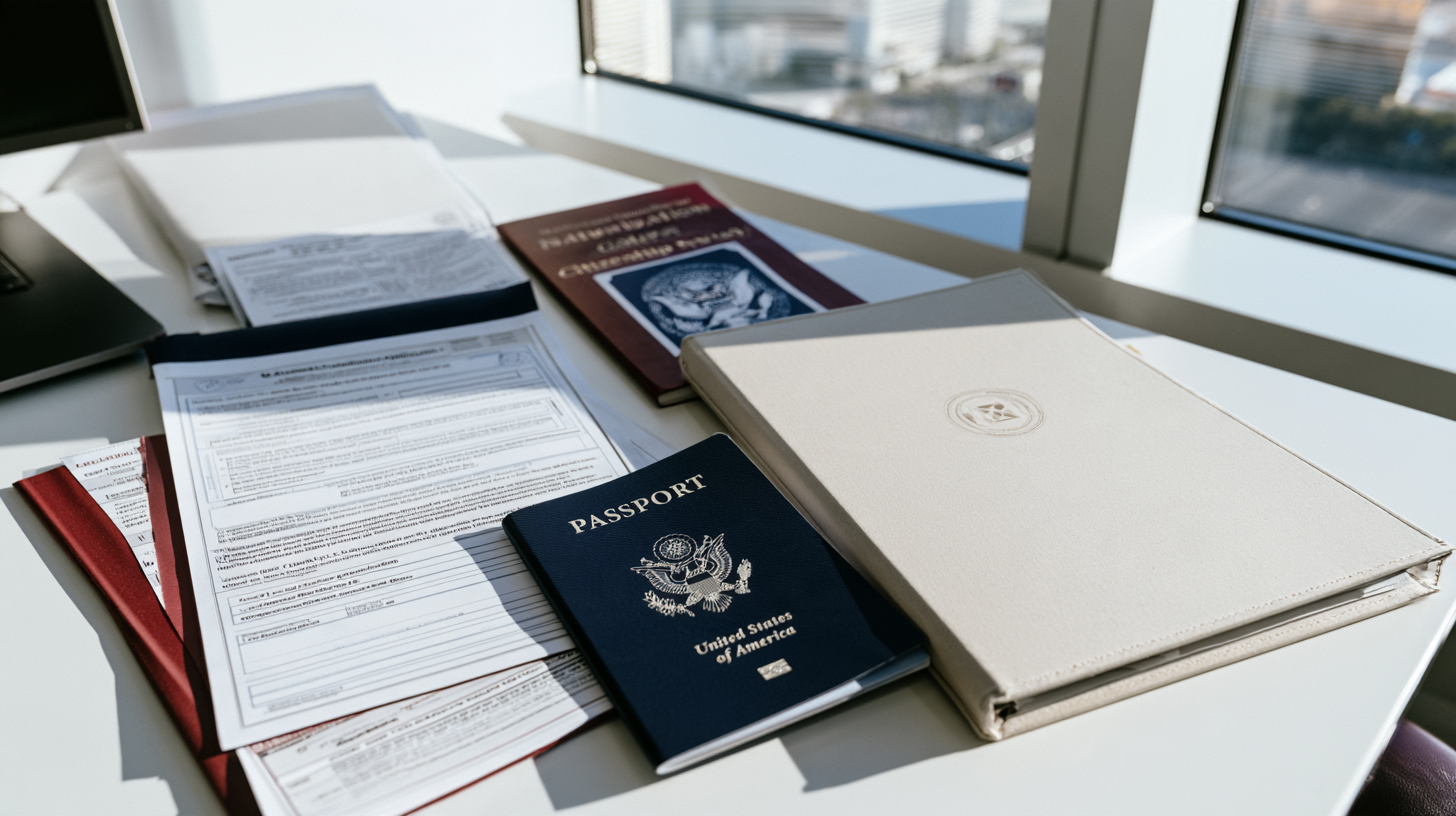
A delay may begin before the petition is even filed. If the criminal history report is incomplete, if the case disposition is unclear, or if supporting documentation does not match the court’s records, the filing may need to be corrected before it can move forward. In a process built around exact dates, case numbers, and legal classification of offenses, small errors can create larger setbacks.
Nevada’s own guidance also warns that procedural mistakes are a common reason sealing requests are denied or stalled. Missing signatures, incorrect information, omitted documents, and filing in the wrong jurisdiction can all interrupt progress. Administrative errors, such as mislabeling the petition or failing to send notice to all required agencies, can cause substantial delays. Those are not dramatic legal disputes, but they are precisely the kind of potential obstacles that legal representation often helps address early.
Attorneys are also able to accurately calculate waiting periods, which can range from one to ten years depending on the offense, ensuring timely filing and avoiding unnecessary delays in the expungement process. For many individuals, the emotional and mental burden of managing the legal paperwork for expungement can be overwhelming, and legal representation can help alleviate this stress.
How Legal Representation Helps Clarify Eligibility Before Filing
One of the first benefits of legal representation is a careful eligibility review. Nevada record sealing depends on the exact offense, the final disposition, and the waiting period attached to that result. A lawyer reviewing an individual’s criminal record can evaluate whether the case is currently eligible, whether additional time must pass, and whether another unresolved matter may delay the petition.
That review matters because people often focus on the arrest instead of the final legal outcome. In Nevada, the waiting period generally turns on the conviction or dismissal that actually appears in the record. A person may believe the case is ready for filing, only to learn that probation has not technically ended, a suspended sentence still affects the timeline, or a later conviction interrupts eligibility.
An attorney can also identify whether the case involves offenses that are not sealable at all. Nevada guidance makes clear that certain sexual offenses, felony DUI convictions, crimes against children, and home invasion with a deadly weapon are generally excluded. Filing too early, or filing for relief that the law does not permit, can waste time and money while adding frustration to an already difficult process.

Why Accurate Filing Matters in the Nevada Record Sealing Process
Every petition depends on precision. The court needs a complete and accurate picture of the case, including the relevant court records, agencies involved, and the correct legal basis for sealing. When records are scattered across municipal, justice, and district courts, or across law enforcement agencies, a filing that overlooks even one custodian can lead to incomplete relief or avoidable delay.
This is one reason legal representation often improves efficiency. A lawyer familiar with Nevada legal procedures understands how petitions, proposed orders, and service requirements interact. That familiarity can help ensure the request reaches the proper prosecuting office, whether that means a city attorney, district attorney, or another relevant agency tied to the case history.
Nevada state guidance also notes that the overall process can take around 2 to 4 months, depending on the accuracy of the information in the court order. That timeline makes accuracy more than a technical detail. It becomes a strategic advantage, because a clean filing is often the best way to prevent a straightforward matter from turning into a prolonged one.
Multiple Jurisdictions and Old Records Create Special Problems
Many people do not have just one isolated case. They may have several arrests, dismissals, or convictions in different courts, sometimes from years apart. When records exist in multiple jurisdictions, the sealing process becomes more demanding because the petition may require coordination across separate courts and prosecuting offices.
This is where legal representation can be especially valuable. A person trying to manage old records alone may not know whether the matter belongs in municipal court, district court, or another forum. In Clark County and nearby jurisdictions such as Las Vegas and North Las Vegas, the procedural path can change depending on where the case originated and which agency still holds the records related to the matter.
When several cases are involved, the question is not simply whether the person is eligible. The question is which record can be sealed now, which one must wait, and which court should be addressed first. An attorney’s review can help create the best course for moving through those multiple steps without filing contradictory or incomplete requests.
How Counsel Helps Respond to Prosecutorial and Court Concerns
Even in cases that should qualify, a petition may face scrutiny from the state attorney’s office equivalent in Nevada, such as the relevant prosecuting agency or district attorney. Prosecutors may review the filing for legal sufficiency, procedural defects, or statutory ineligibility. If the paperwork is weak or unclear, the matter may stall before it ever reaches a favorable ruling.
A lawyer can help address issues before they become formal objections. That may include clarifying dates, correcting case outcomes, tightening the petition language, or ensuring the proposed order identifies the right custodians of the records. Those details matter because sealed records require compliance not only by the court, but also by the agencies and custodians named in the order.
The law also allows certain government agencies and other authorized entities to inspect or reopen sealed files in limited circumstances. Because of that, the petition must be drafted with a clear understanding of what sealing does and does not accomplish. Strong legal representation helps keep expectations realistic while still pursuing the full relief Nevada law allows.

Record Sealing Is Not the Same as Expungement
In Nevada, record sealing is different from the expungement process. State guidance explains that sealing restricts dissemination and removes the records from general information sources, but it does not destroy them, whereas expunge or expungement refers to the destruction of records, which is not available in Nevada but is a remedy in other states like Florida. That distinction matters because many people searching for understanding expungement are actually looking for the Nevada remedy of record sealing. Expungement or sealing of criminal records allows individuals to deny the existence of their arrests in most situations.
A sealed case is no longer part of ordinary public access, which can help reduce the negative impact of an old case on private employers, rental screening, and personal confidence. Clearing a criminal record can also lead to improved mental health and personal confidence. Still, sealing is not the same as erasing history for every purpose, and certain authorized searches may still occur. A lawyer can explain those limits clearly before the client files.
That clarity is important because unrealistic expectations can create disappointment. Good legal counsel helps clients understand not only whether records can be sealed or, in other contexts, records expunged, but also how Nevada’s actual system works in most situations. That kind of honest review helps people make informed decisions instead of chasing the wrong remedy.
Why Legal Help Matters Even as Nevada Expands Automatic Sealing
Nevada enacted AB 160 to create an automatic sealing framework for certain eligible convictions and charges, with implementation duties tied to January 1, 2026. That is an important development, and it reflects a broader shift within the criminal justice system toward increased access to relief. But automatic sealing does not eliminate the need for legal help in every case.
Some people still need petitions. Others may have mixed outcomes, complicated histories, or records held by multiple custodians. AB 160 itself recognizes that records may be in the possession of courts, agencies of criminal justice, and even public or private custodians. In a complicated case, legal representation still plays a practical role in making sure nothing important is overlooked.
For someone whose individual’s criminal record affects work, housing, or eligibility for certain government positions, delay has real consequences. It can postpone access to better housing options, slow career progress, and prolong the emotional burden of a record that should already be eligible for relief. In that setting, professional guidance is not just about convenience. It is often about protecting momentum.
Managing Attorney Fees in the Record Sealing Process
Concerns about attorney fees are common among individuals seeking to seal their criminal records, but it’s important to weigh these costs against the long-term benefits of professional legal representation. The record sealing process can be complex, and mistakes can lead to delays or even denial of relief. An experienced attorney can guide clients through the legal system, ensuring that every aspect of the sealing process is handled efficiently and effectively.
Investing in legal representation can pay off in many ways. Successfully sealing a record can improve access to housing options, open doors to professional licenses, and boost personal confidence. For those seeking certain government positions or dealing with offenses such as sexual offenses, having an attorney who understands the specific circumstances and legal requirements is invaluable. The right legal support can help individuals move forward, ultimately achieving a clean slate and greater opportunities.
Many attorneys recognize the financial challenges their clients face and may offer flexible payment plans or reduced fees for record sealing services. By discussing options upfront, individuals can find a solution that fits their budget while still benefiting from the expertise needed to navigate the process. Ultimately, the cost of legal help is often outweighed by the value of a fresh start and the ability to leave past records behind.

FAQ
Can a lawyer speed up the record sealing process in Nevada?
A lawyer cannot force the court to act faster than the law allows, but legal representation can reduce delays caused by filing errors, incomplete documentation, and jurisdictional mistakes, which are common reasons petitions take longer than necessary.
How do I know if I am eligible to seal my Nevada criminal records?
Eligibility depends on the final disposition, the waiting period for the offense, and whether any disqualifying offense applies. A careful review of the criminal history report, sentencing status, and case outcome is usually the first step in determining eligibility.
Are some offenses permanently ineligible for record sealing in Nevada?
Yes, Nevada guidance states that certain sexual offenses, felony DUI convictions, crimes against children, and home invasion with a deadly weapon generally cannot be sealed.
Is record sealing the same as expungement in Nevada?
No, Nevada uses record sealing, not true expungement. A sealed record is restricted from general public view, but it is not destroyed and may still be inspected in limited circumstances authorized by law.
What happens after the judge signs an order to seal records?
Once the order is entered, the named custodians and agencies must seal the records covered by the order, and the case is removed from ordinary public access, though some authorized governmental inspection may still be allowed.
Conclusion
Record sealing can open the door to a cleaner future, but the process is rarely as simple as filling out a form and waiting for a response. Nevada law offers meaningful relief, yet the path often involves strict eligibility requirements, court-specific procedures, multiple agencies, and documentation that must be correct from the start. When those pieces are handled carefully, a person has a far better chance of avoiding preventable delay and reaching the relief the law was designed to provide.
Legal representation helps by bringing structure to a technical process. It can clarify eligibility, identify obstacles early, strengthen the petition, and help the client seek the best available outcome with less confusion and fewer setbacks. If your criminal records are holding you back, contact a Nevada record sealing attorney to schedule a confidential consultation and get personalized guidance on your eligibility, your filing strategy, and your next step toward a true fresh start.