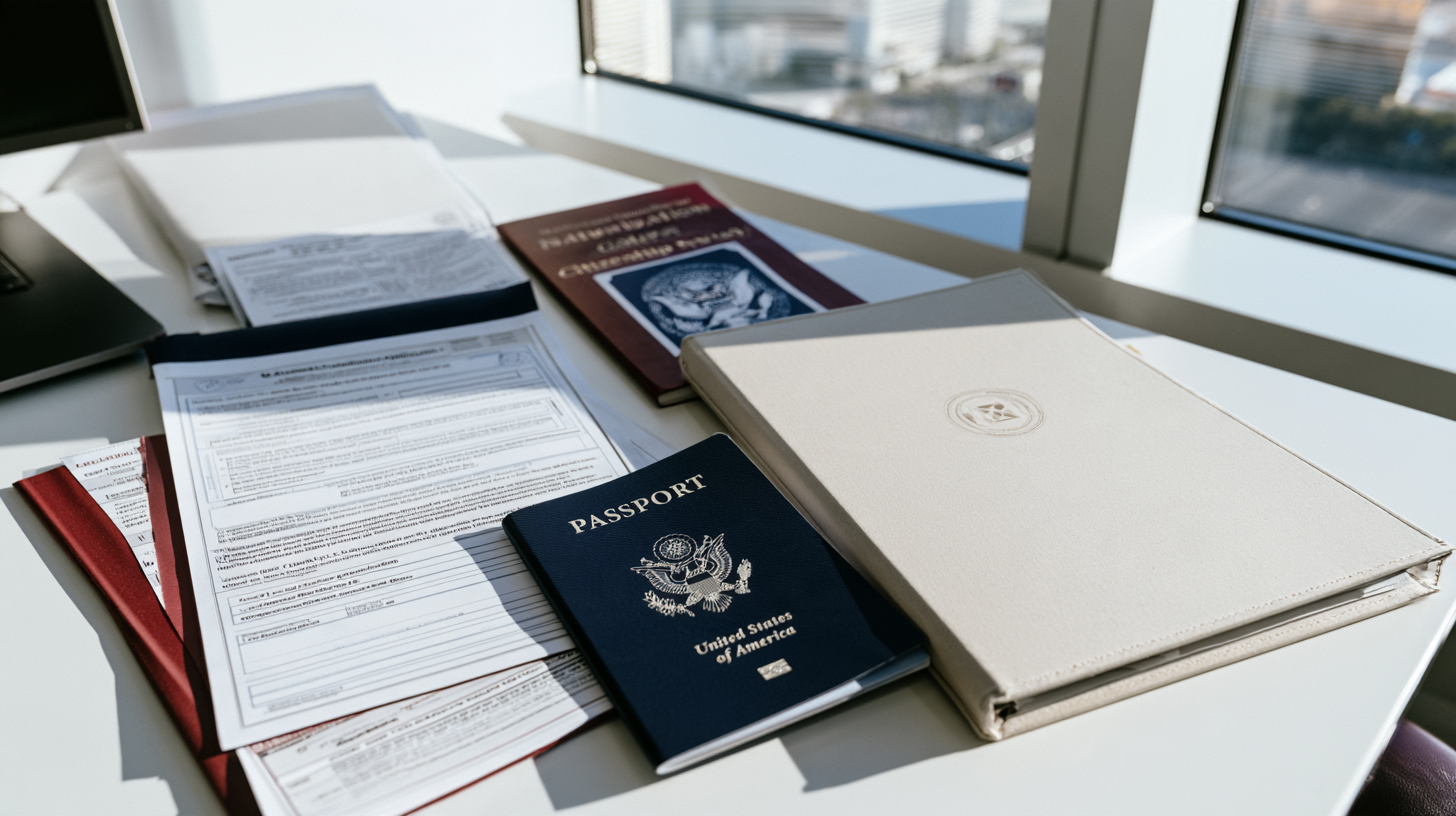
A past case can keep showing up long after a person expected it to fade into the background. For many Nevada job seekers, old entries in criminal background checks still appear during the hiring process, even when the case feels outdated, incomplete, or unfairly prominent. That can be frustrating when a person is trying to move forward and make an informed hiring decision easier for a prospective employer.
The problem usually starts with how consumer reporting agencies collect and reuse data. Many background screening companies pull information from court records, repository data, and other public sources, then compile it into background check reports sold to employers. If the underlying information is old, incomplete, or never updated to reflect a sealed record, the report may continue to show damaging material long after the person expected relief.
This is one reason people search for answers about why background check companies continue listing old Nevada cases. The issue is not always that the company is allowed to report everything forever. Often, the real question is whether the report reflects a criminal conviction, an old arrest, a case that should no longer appear under the Fair Credit Reporting Act, or a Nevada record that was never properly updated after sealing.
Why Old Nevada Records Still Appear in Reports
A background company does not create the original case. It usually republishes information from the criminal justice system, including court, repository, or local agency data. If those source files remain public, or if a sealing order never reaches every custodian, old Nevada entries can continue circulating through consumer reporting databases.
That is especially important in Nevada, where one case may involve several public sources. A single matter can generate arrest records, a court docket, a prosecutorial file, and repository history tied to a person’s social security number or other identifiers. When one source updates but another does not, inaccurate information can survive inside the screening market.
Some old cases also remain visible because they were never sealed at all. Nevada’s Department of Public Safety explains that sealing does not destroy the file, and Nevada still requires people to seek relief through the statutory sealing process unless another law applies. Until that happens, many older entries remain available to reporting companies that lawfully gather public data.
How the FCRA Shapes Background Checks
The Fair Credit Reporting Act is one of the most important federal rules in this area. It governs many consumer reporting agencies that sell employment screening products, and it requires employers to provide disclosure, obtain written consent, and follow an adverse action process before relying on a report to make a negative decision.
But the FCRA does not erase every old case after seven years. That is a common misunderstanding. Federal guidance explains that arrests and many other kinds of adverse information face time limits, while criminal convictions can often remain reportable without the same seven-year restriction. That is a major reason an old Nevada felony conviction or certain misdemeanor convictions may still appear on a report.
Even so, the FCRA still matters because it gives people the right to correct errors. If a report shows the wrong date, the wrong disposition, or a case that should no longer be public, the reporting company has duties tied to accuracy and reinvestigation. That can matter when the report includes other adverse information that is incomplete, misleading, or no longer lawful to report.

Nevada Background Check Laws and Access Limits
Nevada background check laws add another layer. Nevada statutes allow the dissemination of conviction information and matters currently within the system of criminal justice, including probation or parole, but they place limits on broader access to criminal history from government repositories. In many settings, Nevada restricts dissemination unless the request fits a statutory pathway.
Nevada also requires written consent in certain repository-based employment searches. Under NRS 179A.103, a prospective employee must provide written consent for the Central Repository to perform the search and release the information to an authorized participant or screening service. That rule matters because Nevada law limits how some official criminal history information may be obtained and shared.
These state and local laws do not eliminate all private screening problems. A background company may rely on records already collected from public dockets rather than directly from the repository. That is why state laws place important limits on official dissemination, yet old records may still continue appearing in private reports if the underlying public source remains unchanged.
Why Sealed and Outdated Records Still Cause Harm
A sealed record should no longer remain in ordinary public circulation. But sealing is only effective when the order reaches the right custodians and the databases are updated. If that chain breaks down, a company may keep reporting a case that should have been removed from public access.
That can directly affect employment. During the screening process, the employer makes a judgment based on what appears in the file. When the report overstates a person’s criminal history, it can lead to denying employment even though the case is old, sealed, or inaccurately described.
This is also where federal anti-discrimination law becomes relevant. The Equal Employment Opportunity Commission explains that blanket use of criminal history can create equal employment opportunity concerns under Title VII of the Civil Rights Act, including disparate impact concerns affecting groups such as African Americans. Employers should consider several factors rather than use criminal history as an automatic bar.
How Record Sealing Changes Employer Reporting
Under Nevada law, record sealing can remove eligible cases from ordinary public view, but eligibility depends on the offense, the outcome, and the applicable waiting rules. Nevada materials reflect that some cases are sealable immediately, while many criminal convictions require statutory waiting periods after release from custody or discharge from supervision.
Some convictions cannot be sealed. Nevada identifies exclusions that include some sexual offenses and other serious crimes. That means not every old record can be transformed through a sealing petition, even when the practical harm is obvious.
Still, for many people, sealing is the most effective way to stop outdated public data from feeding later reports. Once a court grants sealing, the person has a stronger basis to challenge any private report that continues showing the case as open to public review.

FAQ
Can a background company report an old Nevada conviction after seven years?
Often yes. The FCRA’s common seven-year limit generally applies to arrests and some other negative information, but criminal convictions may still be reported beyond seven years under federal law.
Do employers need written consent before ordering a background report?
Yes, employers using a third-party screening company must provide disclosure and obtain written consent under the FCRA, and Nevada repository-based employment searches also require written consent in certain circumstances.
What happens if a background report includes incorrect Nevada case information?
A person can dispute the report and seek to correct errors. Federal law imposes accuracy and reinvestigation duties on reporting companies, which is important when a report contains outdated or misleading criminal history information.
Is record sealing the same as expungement in Nevada?
No, Nevada primarily uses record sealing, not broad expungement, and sealing does not destroy the file even though it removes the case from ordinary public view for many purposes.
Conclusion
Old Nevada cases continue appearing because public data can outlive fairness, because consumer reporting agencies may recycle outdated records, and because federal and state rules do not treat every arrest and conviction the same. The key takeaway is that an old listing is not always legally correct, and it is not always permanent. In many situations, careful review of the report, the court history, and Nevada sealing options can create a practical path forward.
If an old case is hurting your job search or creating confusion during background checks, contact Record Sealing Nevada to schedule a confidential consultation with a Nevada record sealing attorney. Personalized guidance can help you evaluate sealing eligibility, challenge inaccurate reporting, and protect your future with a strategy built around your specific record.