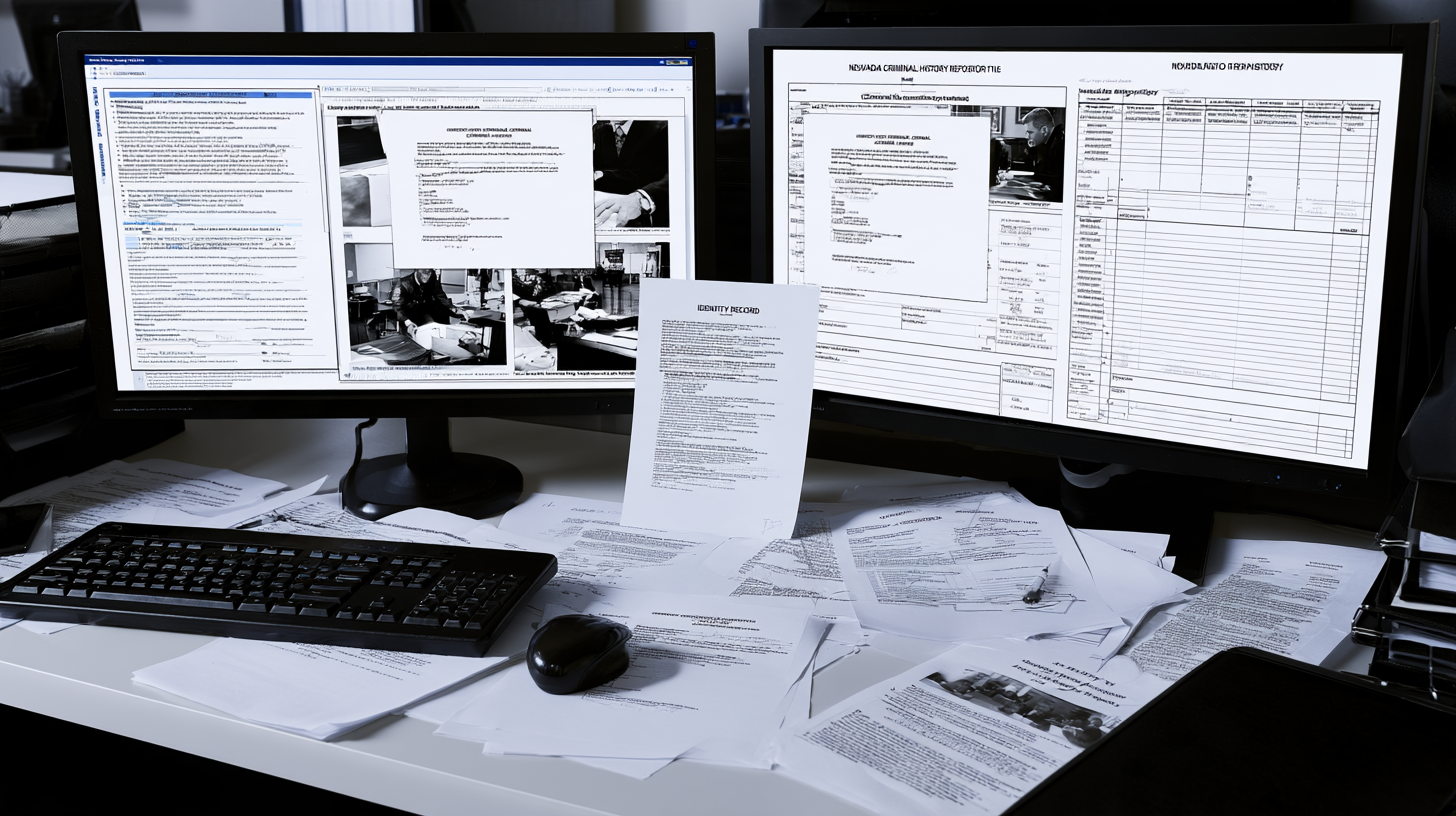
A Nevada court case can feel closed in every meaningful way. The hearing ended, the judge entered the outcome, the penalties were completed, and life moved forward. Yet months or even years later, the same court records may still appear online through a court portal, a background check website, a data broker, a local news outlet, or an old search result.
For someone trying to rebuild their reputation, that can feel deeply unfair. A dismissed case, an old arrest, a divorce filing, or a criminal matter that no longer reflects who the person is today may continue to circulate because public record systems were designed for transparency, not privacy by default.
Under Nevada law, public access to records serves an important role. It supports accountability, allows citizens to understand how the judicial system works, and helps the public monitor government agencies. But when sensitive, outdated, or misleading information remains on the internet, the same system can create real personal harm.
Nevada record sealing is one of the most effective ways to limit public access to eligible criminal records. However, sealing does not happen automatically. Until the proper process is completed, many Nevada cases remain visible in online public records, even when the outcome was favorable, minor, old, or misunderstood.
Why Nevada Public Records Keep Appearing Online After a Case Ends
The main reason certain Nevada cases keep circulating online is simple: court records are generally public unless a law, rule, or court order makes them confidential. The Nevada Public Records Act reflects a broad policy favoring access to government records, while court records are also shaped by separate court rules and constitutional principles of openness. The Nevada court system has recognized the importance of balancing a transparent court system with privacy interests and public access to court records.
That means a case does not disappear just because the outcome was entered. Once a document is filed in district court, justice court, municipal court, or another public forum, it may become part of the case history unless it is sealed, redacted, or otherwise protected by state law.
This can surprise people who assume that a dismissal, a not guilty outcome, or a completed sentence would remove the record from public view. In the first place, the system is not built around automatic privacy. The default is often accessed unless a specific provision says otherwise.
Online circulation makes the problem worse. A record that began in one courthouse can be copied, indexed, summarized, or republished by an organization, a background check business, a media website, or another database. Once that happens, even a later sealing order may require extra effort to identify where the information still appears.
How Nevada Law Balances Public Access, Privacy, and Confidential Information
Nevada’s legal system treats public access as essential to open justice. The public has an interest in knowing what happens in court, how judges apply the law, and how public institutions exercise authority. That is why records, pleadings, hearings, and many proceedings are available to the public.
At the same time, Nevada law recognizes that some information should not remain public. Sensitive details involving children, protected family law cases, financial records, medical information, and a social security number may require redaction, sealing, or restricted access. Nevada’s sealing and redaction rules require requests to be handled through specific procedures rather than casual removal.
This is where the phrase narrowly tailored becomes important. Courts are generally reluctant to hide an entire case if a more limited solution can protect the privacy interest. A court may redact confidential information, seal a specific filing, or restrict a particular record instead of closing everything.
The Nevada Supreme Court has also reinforced the idea that sealing must be supported by proper analysis. In recent litigation involving sealed court materials, the issue was not whether privacy interests could ever matter, but whether the sealing was justified and properly limited to the interests at stake.
This balance can feel frustrating when someone is concerned about online exposure. Still, the point is not that privacy never matters. The point is that Nevada law requires a legally supported request, clear evidence, and a specific reason why access should be limited.

Why Criminal, Divorce, and Family Law Cases Can Circulate Differently
Not every Nevada court case circulates the same way. A criminal case may appear in arrest databases, court portals, prosecutor records, detention records, or background check reports. A divorce case may appear through civil court indexes, while certain family law cases may include private details that require special handling.
In criminal matters, public visibility can create immediate potential consequences. Employers, landlords, licensing boards, and online searchers may see a charge without understanding the outcome. A dismissed case may still look alarming if the database shows the accusation but not the resolution.
In divorce and custody matters, the concern is often different. The parties may be worried about financial disclosures, allegations of abuse, information about children, or private family circumstances. Some materials may be confidential by rule or statute, while others may require a specific motion before the judge will limit access.
The same principle applies across these situations: public information stays public unless there is a legal basis to restrict it. A person may have a fair reason to want privacy, but the court still needs authority to enforce that privacy.
This is why attorneys look closely at the type of case, the circumstances, the document filed, the applicable rules, and the specific interests claimed. The legal strategy for criminal record sealing is not the same as a motion to redact private information in a civil or family matter.
How Record Sealing Can Limit Online Public Records in Nevada
For eligible criminal cases, record sealing can reduce the public visibility of court and agency records. Nevada law allows courts to order criminal records sealed when the statutory requirements are met and the court is satisfied that the person qualifies for relief. Nevada’s criminal history repository describes sealing as a procedure that substantially restricts the dissemination of the record.
This matters because sealing can address more than one source. A properly prepared order may direct the court, law enforcement, detention facilities, prosecutors, and certain government agencies to seal records related to the case. That can help prevent the record from continuing to appear through official public channels.
However, sealing is not magic. If news outlets, private background check companies, or internet databases copied the information before sealing, they may not update automatically. A sealing order can still be powerful, but additional steps may be needed to address third-party websites.
A sealed record also does not erase every trace from every possible government use. Some agencies, including the federal government in certain contexts, may still ask about or access information for specific legal purposes. This is especially important when immigration, licensing, security clearance, or regulated employment issues are involved.
The key point is that sealing gives the person a formal legal basis to move forward. Without it, online public record circulation may continue simply because the record remains publicly accessible.
FAQ
Can Nevada court records stay online after a case is dismissed?
Yes, A dismissed case can still appear in online court records or background check databases unless the record is sealed, redacted, or otherwise restricted by law. A dismissal changes the legal outcome, but it does not always remove the public record automatically.
Is record sealing the same as deleting a public record from the internet?
No. Record sealing limits access to official records held by courts and agencies, while internet removal may require separate follow-up with private websites, search engines, or background check companies. Sealing is often the legal foundation for reducing public visibility, but it may not instantly erase every online copy.
What types of Nevada cases may be harder to remove from public access?
Cases involving serious criminal allegations, multiple agencies, older records, media coverage, or copied third-party data can be harder to control. Some confidential family, juvenile, or sensitive records may have special protections, but the correct process depends on the case type and the specific information at issue.
Can a judge seal a Nevada record just because it is embarrassing?
Usually, embarrassment alone is not enough. A court generally needs a recognized legal basis, a privacy or safety interest, or statutory authority to restrict access. Requests to seal or redact are often expected to be narrowly tailored to protect the specific interest without unnecessarily limiting public access.

Conclusion
Certain Nevada cases keep circulating in online public records because the legal system begins with openness. Public access, transparency, and court accountability are important, but they can also leave people exposed when old, dismissed, sensitive, or misunderstood records continue to appear online.
The most important takeaway is that privacy usually requires action. A case may be closed, but the record may remain public until a sealing order, redaction order, or other lawful protection changes how that information can be accessed. For eligible criminal records, sealing can be a meaningful step toward protecting reputation, employment opportunities, housing stability, and peace of mind.
Contact Record Sealing Nevada to schedule a confidential consultation with a Nevada record sealing attorney and get personalized guidance on your specific court records, online public records, sealing eligibility, and the best next steps for protecting your future.