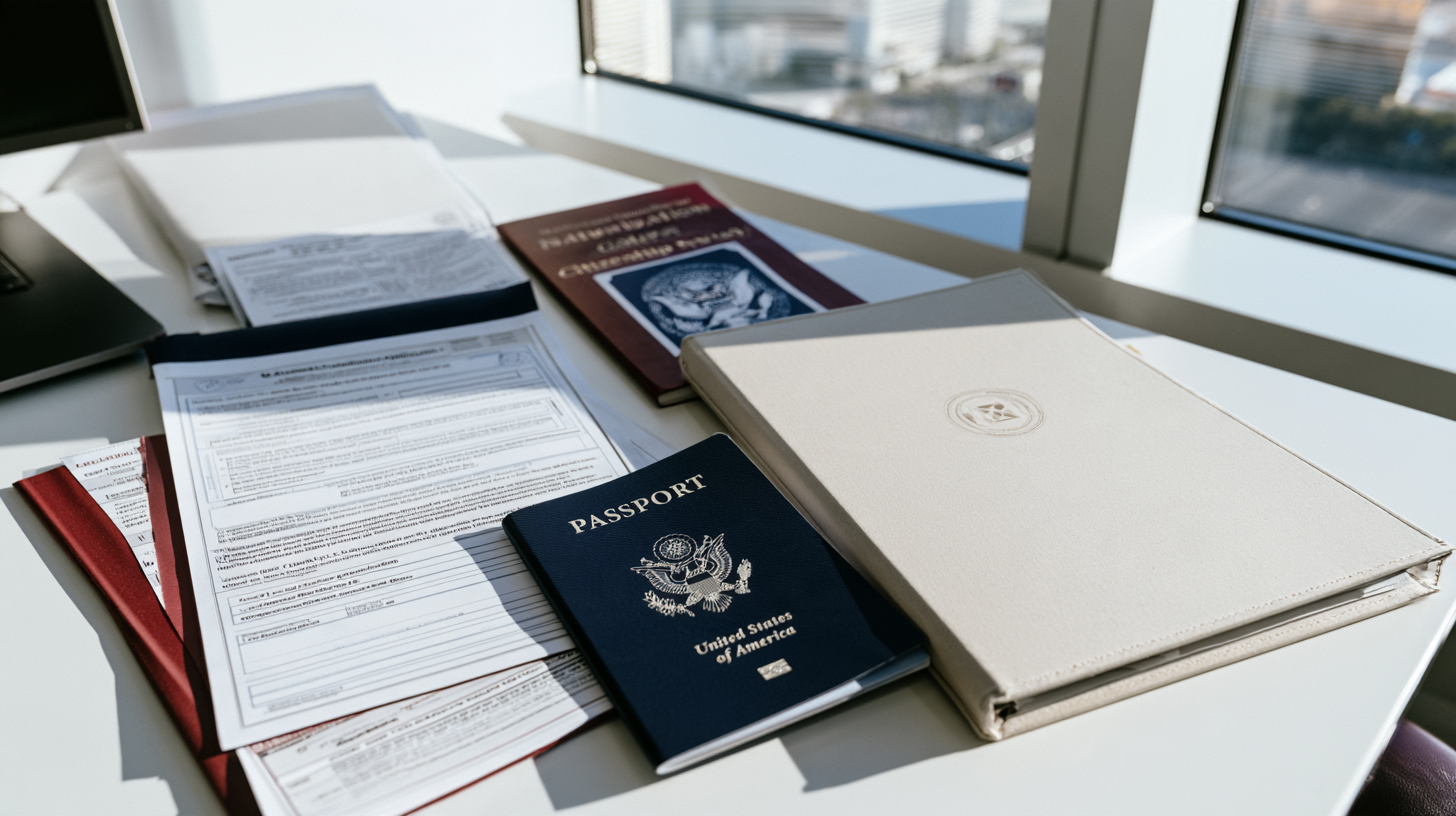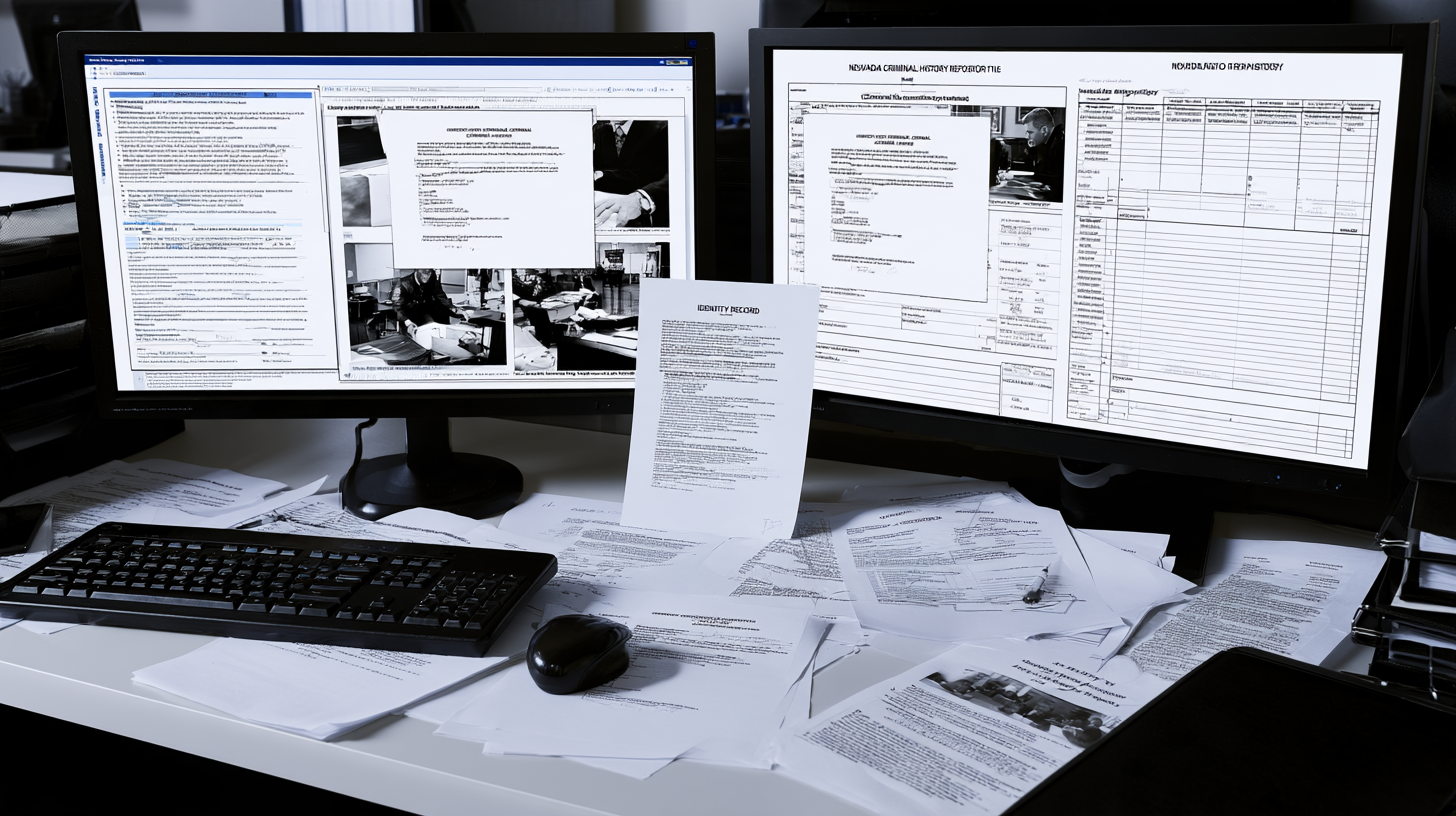
A sealed record still showing online in Nevada can be deeply frustrating and confusing. Many people complete the entire process of record sealing, expecting their criminal history to disappear from public view, only to discover that a background check, online database, or third-party website continues to display old information. This situation can undermine job prospects, housing opportunities, and the sense of closure that record sealing is meant to provide.
This guide is for individuals in Nevada who have completed the record sealing process but still find their records visible online.
Nevada law offers strong protections through the sealing of records, but sealing does not always result in immediate or automatic removal from every online source. An order sealing records is not an expungement of records, which allows for the destruction of the records. Sealed records are not destroyed and may remain visible online due to data management issues and private industry practices. Private background check companies may continue to show sealed records for an extended period due to a lag in data updates after a sealing order. Old online listings or third-party background check sites might still hold residual information until fully purged or if exemptions apply. Private background check websites may continue to display sealed records until specifically notified or updated.
Understanding why sealed records sometimes remain visible, how Nevada law addresses this issue, and what steps are available to correct it is essential for anyone trying to move forward after a criminal case.
This guide explains why a record sealed pursuant to a court order may still appear online, what Nevada law requires, and how to protect your rights when outdated or unauthorized information continues to surface.

Why a Sealed Record May Still Appear Online After Court Approval
Even after a district court grants an order sealing records, information may continue to circulate through private databases, outdated record systems, or online platforms that aggregate criminal records. These sources often rely on prior data pulls that are not automatically updated when courts issue sealing orders.
Sealed records are not destroyed and may remain visible online due to data management issues and private industry practices. Private background check companies may continue to show sealed records for an extended period due to a lag in data updates after a sealing order. Old online listings or third-party background check sites might still hold residual information until fully purged or if exemptions apply. Private background check websites may continue to display sealed records until specifically notified or updated.
In many cases, third-party background check companies are not directly connected to the Las Vegas Justice Court, district court, or local law enforcement agency databases. If they are not notified or do not refresh their data, a criminal history record may remain visible despite being legally sealed.
This disconnect does not mean the sealing was ineffective. It means enforcement and follow-up are often required to ensure compliance across all platforms.
What Nevada Law Requires Once a Record Is Sealed
Under Nevada Revised Statutes, once a record is sealed, government agencies, courts, and law enforcement must remove the record from public access. The order sealing records removes the case from searchable court systems and restricts access for most purposes.
An order sealing records is not an expungement of records, which allows for the destruction of the records.
After sealing, the individual may legally deny the existence of the arrest, criminal charge, or conviction in most circumstances. This protection applies to most employers, landlords, and general background checks conducted by private entities.
However, Nevada law recognizes certain circumstances where access may still be allowed, such as for law enforcement, federal court proceedings, or state licensing boards acting as a party authorized pursuant to statute.
How Online Databases and Background Check Companies Obtain Records
Most online platforms displaying criminal records are not official courts or law enforcement agencies. They collect information from general information sources, public court dockets, or bulk data releases prior to sealing.
Because these platforms are not always notified of a final disposition or sealing order, they may continue to display arrest information, criminal convictions, or incomplete case outcomes. This is especially common in Clark County, Las Vegas, and North Las Vegas, where high case volume increases data lag.
Nevada law does not automatically require private companies to monitor court sealing orders. As a result, proactive steps are often necessary.
When Continued Online Display Violates Nevada Law
Once a record sealed order is issued and properly served, continued public dissemination by a covered agency may violate Nevada law. Courts and local law enforcement must comply with record management purposes and public access restrictions.
Private companies are more complex. While not always directly regulated, they may be required to remove sealed records once notified and provided a verified copy of the court order. Failure to do so can support legal action or formal takedown requests.
Understanding jurisdiction, county, and data source matters when determining next steps.
Steps to Take If Your Sealed Record Is Still Showing Online
Step 1: Confirm Court Order Distribution
The first step is confirming that the sealing order was correctly entered and distributed. Errors in service to the district attorney’s office, law enforcement agency, or court clerk can delay compliance.
Step 2: Identify Where the Record Appears
Next, identify where the record is appearing. Whether it is a background check, job screening, or website search result determines which legal tools apply.
Step 3: Provide Documentation
Providing documents, including the sealing order, petition, and order, is often required.
In some cases, working with an attorney is the most effective way to ensure removal and protect your civil rights.
Record Sealing Does Not Automatically Bind Federal Databases
It is important to understand that federal law operates independently of Nevada record sealing statutes. Some federal databases may still retain criminal history for limited purposes, even after state-level sealing.
This distinction is particularly relevant for professional licenses, immigration matters, or federal employment. Sealing remains valuable, but expectations must align with jurisdictional limits.
Legal guidance can clarify whether additional steps are necessary.
The Role of Law Enforcement and Authorized Access After Sealing
After sealing, law enforcement may access records only for authorized search purposes defined by Nevada law. This includes specific criminal investigations or court-related matters.
Police cannot freely browse sealed records or use them for unrelated investigations. The justice system preserves access only where public safety or legal necessity requires it.
For everyday purposes, sealed records remain protected.

Common Errors That Delay Online Removal of Sealed Records
- Incomplete record sealing forms
- Missing verified copies
- Failure to serve all required parties
- Filing errors
- Incorrect jurisdiction
- Misunderstanding the waiting period
- Cases involving sexual offenses, deadly weapon allegations, drunk driving, or drugged driving require especially careful review due to eligibility limits.
Correcting these issues early avoids unnecessary delays.
Why Legal Guidance Matters When Records Remain Visible
When a sealed record continues to appear online, the issue is no longer just procedural. It becomes a matter of enforcing rights under Nevada law.
An experienced attorney understands how courts, agencies, and private platforms interact. Legal support helps ensure that sealing delivers its intended benefit—privacy, opportunity, and the ability to keep moving forward.
For most people, professional guidance saves time, stress, and long-term consequences.
FAQ
Why does my sealed record still show up on a background check?
- Background check companies often use outdated databases.
- Even after sealing, they may display old data until notified and provided a verified court order.
- Private background check companies may continue to show sealed records for an extended period due to a lag in data updates after a sealing order.
Can I legally deny a sealed criminal record in Nevada?
- Yes, after sealing, Nevada law allows you to legally deny the arrest or case in most circumstances, with limited statutory exceptions.
Do state licensing boards see sealed records?
- Some state licensing boards may access sealed records under specific laws.
- Disclosure requirements vary depending on the license and governing statute.
Does record sealing remove records from federal databases?
- No, Nevada record sealing does not automatically bind federal courts or federal databases.
- Additional legal analysis may be required.

Conclusion
A sealed record still showing online in Nevada does not mean the law failed—it means enforcement may still be required. Nevada’s record sealing statutes provide strong protections, but those protections work best when properly executed and followed through.
If your sealed record continues to appear online, you have options. Understanding the law, identifying the source, and taking decisive action can restore the privacy and peace of mind that sealing is meant to provide.
If you need help navigating this process, contact a Nevada record sealing attorney today. A confidential consultation can clarify your rights, address lingering visibility issues, and help you reclaim your future with confidence.