A criminal record can continue affecting a person long after the case is over. Even when someone has paid fines, completed a sentence, moved forward with employment, and rebuilt personal stability, old court records may still appear in a background check, housing review, licensing application, or security screening.
For many people in Las Vegas, Clark County, and throughout Nevada, criminal record sealing offers a path toward relief. But not every case is simple. Some records can be sealed with a straightforward petition, while others require deeper legal review, missing documents, agency coordination, court clarification, or extra work to prove the person is eligible.
The question, then, is not only whether you can seal your record. The more practical question is: what makes certain record sealing cases require extra legal work under Nevada law?
Why Nevada Record Sealing Is Not Always a Simple Filing
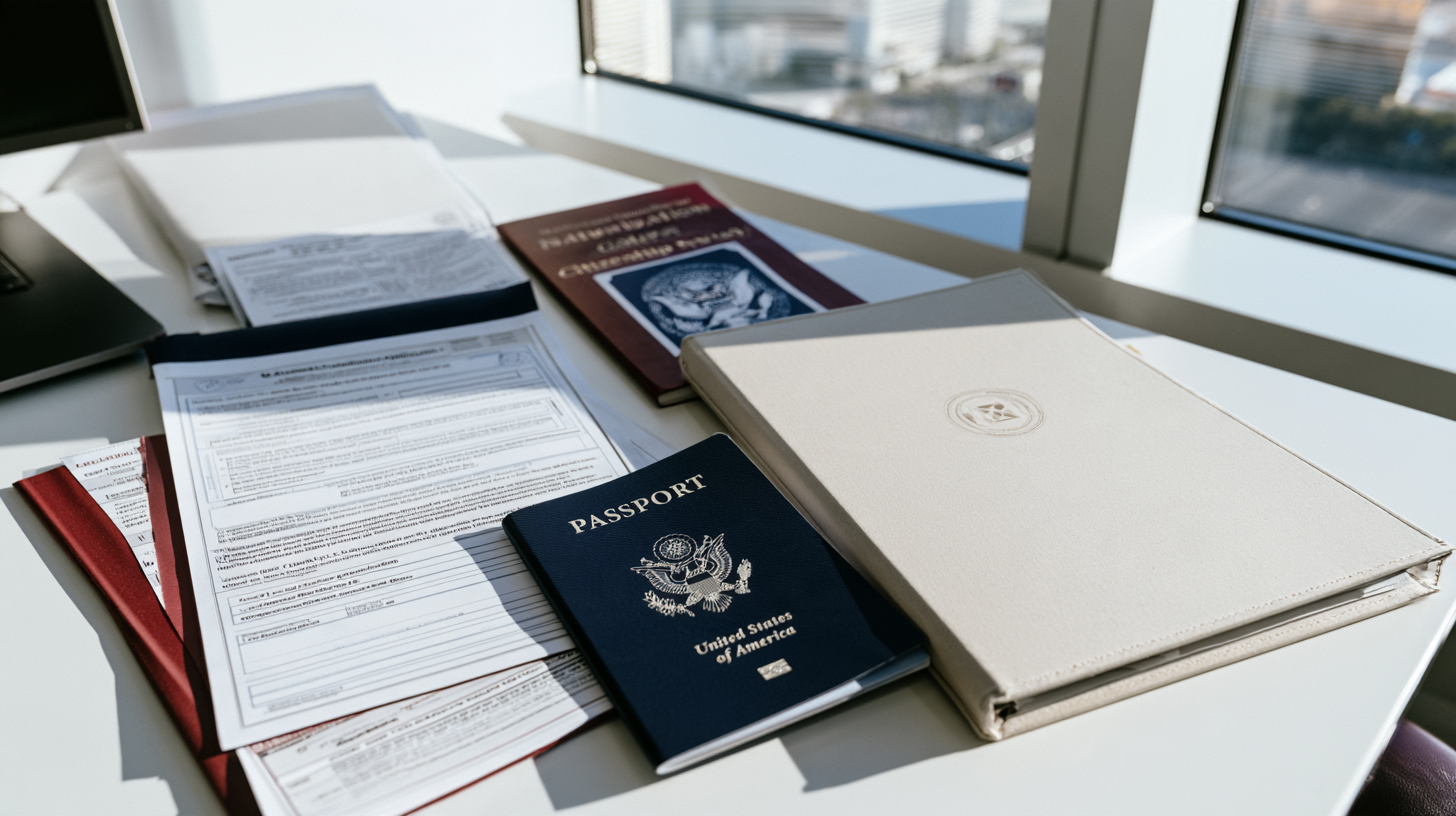
Nevada record sealing is a legal process, not just an administrative request. A person usually must identify the correct court, gather accurate records, prepare the right documents, notify the prosecuting attorney, and obtain a signed order before government agencies restrict public access.
The Nevada Repository explains that sealing procedures vary by county and that a person should contact the court in the jurisdiction where the arrest occurred. It also recommends obtaining a Nevada criminal history record to help complete the forms accurately.
That is why extra legal work is often required when the case history is incomplete, old, multi-jurisdictional, or legally complicated. A missing date, unclear disposition, incorrect charge label, or unresolved agency record can delay the sealing process.
When Multiple Criminal Charges Create More Work for One Petitioner
Some people have only one arrest and one closed case. Others have multiple criminal charges, several misdemeanors, a felony conviction, dismissed counts, probation violations, or cases filed in different courts.
In Clark County, the District Attorney notes that the District Court has jurisdiction over district, justice, and municipal court criminal charges for purposes of sealing records within Clark County. This can help when several local cases are being addressed, but it does not eliminate the need to correctly identify every case that belongs in one petition.
Extra work may be needed when a person has other misdemeanors, old arrests, municipal cases, justice court cases, or charges from more than one county. If a record is left out, it may remain in public records even after another case is sealed.
Felony Convictions and Probation Histories Often Need Careful Review
Cases involving felony records usually require more analysis than simple dismissed misdemeanor cases. A felony conviction may involve a longer waiting period, sentencing conditions, restitution, parole, prison, or later reduction to a misdemeanor.
A case may appear eligible at first, but the court may need proof that the person completed probation, completed parole, satisfied the sentence, and waited the required amount of time under the applicable statute.
This is especially important when the defendant was sentenced years ago, transferred between supervision departments, or had conditions modified by the judge. Extra legal work may involve obtaining certified copies, reviewing the judgment, confirming the case closure date, and determining whether the person can lawfully seal convictions connected to that case.

Why Dismissed Charges Still Need Formal Record Clearing
Many people assume that if a charge was dismissed, the record no longer exists. That assumption can cause problems.
A dismissed case may no longer carry a conviction, but the arrest, filing, and court entry can still appear in court records, police records, or third-party screening tools. Nevada law provides a path to seal dismissed, acquitted, or declined cases under separate rules from conviction-based sealing.
Because of that distinction, a dismissed case may be legally easier to seal than a conviction, but it still may require a formal request, accurate paperwork, and agency notice. The record is not always sealed automatically, and failing to act can leave sensitive information in public view.
When Missing Court Records, Certified Copies, or Agency Documents Cause Delays
Record sealing cases become more complicated when key documents are missing. Older cases may not be digitized. A court clerk may need to locate archived files. Police records may list charges differently from the court. A criminal history report may show an arrest without a clear final disposition.
In many Nevada cases, a petitioner may need a fingerprint card, criminal history report, court minutes, judgment of conviction, dismissal order, or certified copies of the final disposition. Some agencies may charge a small fee, and some filings may require filing fees, a money order, or separate payment instructions, depending on the court.
These details matter because the court and prosecutor must be able to determine exactly what happened. If the record is incomplete, the sealing request may be delayed until the missing proof is obtained.
Why Prosecutor Review Can Make a Record Sealing Case More Complex
The prosecutor or prosecuting attorney may review the petition before the court enters an order. In some cases, the prosecutor may stipulate to sealing. In others, the prosecutor may object, ask for clarification, or request additional proof.
Clark County’s record sealing website specifically provides instructions for using the District Attorney’s record sealing stipulation process. This step can be helpful, but it also means the petition must be accurate, complete, and persuasive enough for review.
Extra legal work may be required when the record involves a serious crime, a victim, public safety concerns, prior convictions, or uncertainty about eligibility. A well-prepared petition can help address those concerns before the case reaches the district court or judge.
Offenses That May Not Be Eligible Require Deeper Legal Analysis
Some offenses are not eligible for ordinary Nevada record sealing. These cases require careful review before anyone spends time and money filing a petition.
Nevada law and legal guidance identify certain categories that may be excluded, including some sex offenses, crimes against children, felony DUI, and home invasion involving a deadly weapon. The specific offense and final conviction matter, so the analysis must be based on the actual record, not a general description of the case.
This is where an attorney can be especially important. If a person is not eligible for sealing, other remedies such as a pardon may need to be evaluated. A pardon is different from expungement or sealing, and it does not automatically erase a criminal history.
Why Agency Compliance Matters After the Record Is Sealed
Getting a record sealed by the court is a major step, but it is not always the end of the work. The sealing order must reach the correct agencies so the record is removed from ordinary access.
Police departments, detention facilities, prosecutors, courts, repositories, and other agencies may each hold separate pieces of the criminal history. If an agency is missing from the order, that record may remain visible.
This is one reason legal work may continue after the judge signs the order. The goal is not only to win approval in court, but to make sure the order is implemented so the sealed records are no longer available through routine public searches.

FAQ
Why would a Nevada record sealing case require extra legal work?
A case may require extra legal work when it involves multiple charges, missing court records, a felony conviction, probation or parole history, unclear eligibility, prosecutor review, old agency records, or more than one jurisdiction. The more complicated the criminal history, the more important it becomes to verify every record before filing.
Are criminal records sealed automatically in Nevada?
Most Nevada criminal records are not sealed automatically. A person usually must file a petition, provide supporting documents, notify the proper parties, and obtain a signed court order. Even after approval, the order must be sent to the correct agencies so the record is removed from public view.
Can dismissed criminal charges still appear on a background check?
Dismissed charges can still appear in court records, police records, or private background check reports unless they are sealed. A dismissal means the case did not result in a conviction, but it does not always mean the record has disappeared from public access.
What happens if my record sealing petition is incomplete?
An incomplete petition may be delayed, rejected, or challenged by the prosecutor. Missing dates, incorrect case numbers, absent certified copies, or incomplete agency lists can prevent the court from granting full relief. This is why careful preparation matters before filing.
Is record sealing the same as expungement in Nevada?
No, Nevada generally uses record sealing, not expungement. Sealing restricts public access to the record, while expungement usually means destruction or erasure in other states. A sealed Nevada record may still be accessible to certain government agencies under limited legal circumstances.
Conclusion
Some Nevada record sealing cases are straightforward. Others require extra legal work because the record involves multiple courts, missing documents, felony convictions, dismissed charges, probation history, prosecutor review, agency compliance, or offenses that may not qualify under the law.
The key takeaway is simple: a record sealing case becomes more complex when the court needs more proof, more precision, or more legal analysis before restricting public access. Careful preparation can help avoid delays, reduce filing problems, and improve the chances of a complete result.
If you are unsure whether your case is simple or legally complex, Contact Record Sealing Nevada to schedule a confidential consultation with a Nevada record sealing attorney and get personalized guidance for your criminal record, eligibility, documents, filing process, and next steps.