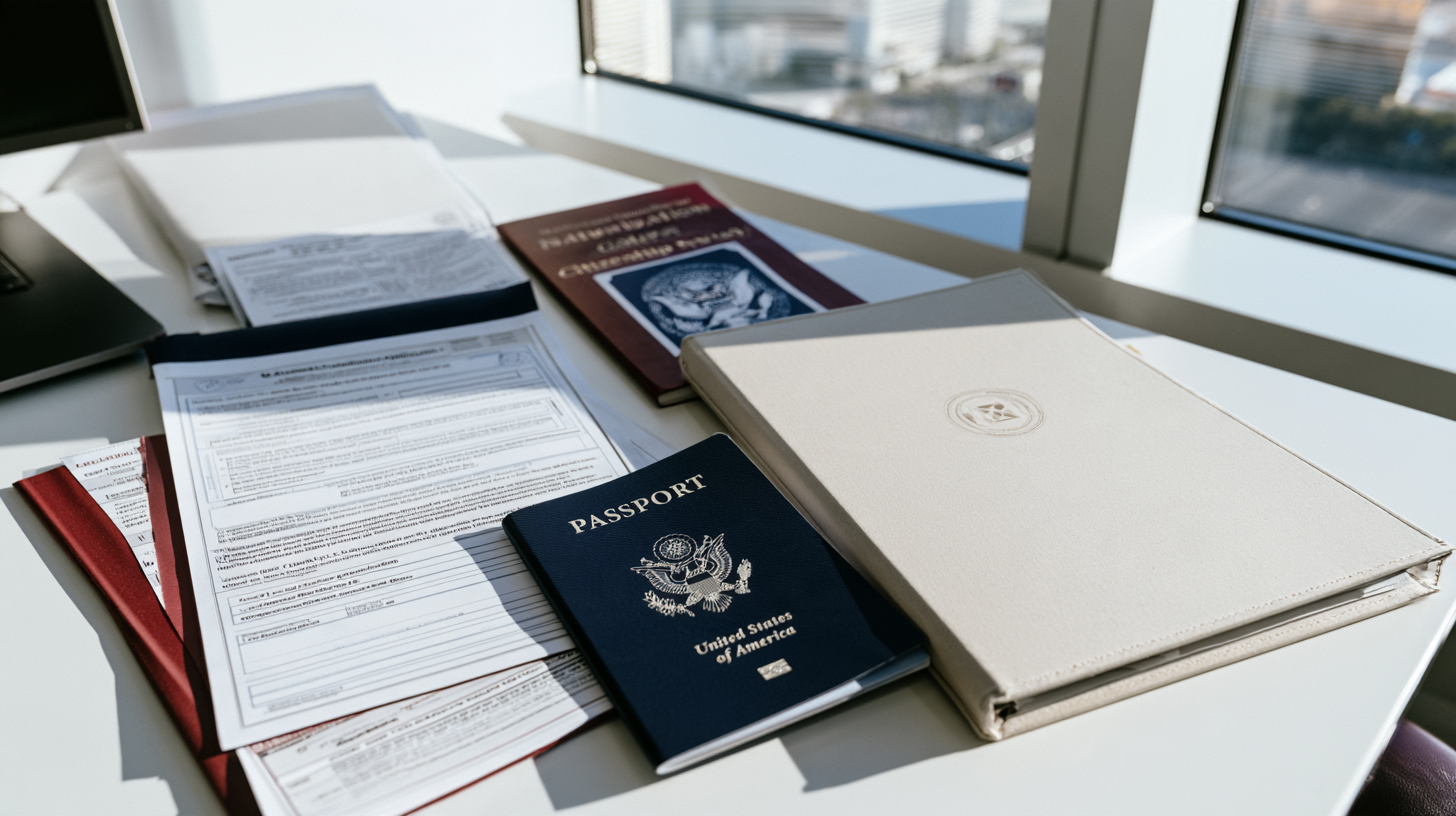
A Nevada record-sealing hearing can feel stressful for anyone waiting for a fresh start. The paperwork has been filed, the record-sealing waiting period has passed, and the petition is finally before the court. Still, many people feel anxious because they do not know what actually happens in the courtroom.
A hearing is not a new trial. The judge is not deciding guilt or innocence again. Instead, the court reviews whether the person meets the legal requirements for record sealing in Nevada, whether the petition is complete, and whether any prosecutor or agency has objected.
For many people, the hearing is short. For others, the process may involve questions from the judge, a District Attorney’s objection, or a request for more information. Knowing what to expect can make the process less intimidating and help avoid delays.
This guide explains what happens during a Nevada record-sealing court hearing, who may be present, what the judge reviews, how objections are handled, and what happens after the sealing order is granted.
What a Nevada Record Sealing Hearing Actually Is
A record-sealing hearing is a court proceeding where a judge reviews a petition to seal eligible criminal records. In Nevada, many petitions are handled under NRS 179.245, depending on the case type and outcome.
The hearing is not about proving innocence or reopening the original criminal case. The court is not retrying the facts. The judge is reviewing whether the petitioner qualifies for sealing and whether the court should enter an order sealing records.
The court may review the charges, dispositions, case closure dates, offense categories, waiting periods, and agencies listed in the petition. If the petition is complete and no one objects, the hearing may move quickly.
If there is an objection, the court may hear arguments from the petitioner, the petitioner’s attorney, and the prosecutor. The judge may ask questions about eligibility, timing, rehabilitation, or whether the record falls into a category that cannot be sealed.
If you are still trying to confirm whether your case qualifies, the guide on Nevada record sealing eligibility explains waiting periods, disqualifying offenses, and how to begin reviewing your status.
What Happens When No One Objects
When neither the DA nor a notified agency objects, the hearing is usually straightforward. The judge reviews the petition, confirms that the waiting period has been satisfied, and checks whether the records listed in the petition appear eligible for sealing.
If the court is satisfied, the judge may grant the petition and sign the sealing order. That order directs the agencies listed in the petition to seal the records in their possession.
It is important to understand that the record does not disappear from every system the moment the judge signs. The order begins the process. The court, arresting agency, prosecutor, and Nevada Repository of Criminal History may each need time to update their records.
For people trying to understand what a sealed record may do to their criminal history report, the guide on what a SCOPE report is in Nevada explains why this document matters during and after the sealing process.
A granted petition is an important step, but practical updates may take additional time.

What the Judge Reviews Before Granting Sealing
During a record-sealing hearing in Nevada, the judge may review several parts of the record. This can include the original charge, case outcome, offense level, sentence completion date, probation discharge, and whether any later criminal history affects the petition.
The judge may also review whether the petition identifies the correct agencies. This matters because each agency that holds the record must receive the order. If an agency is left out, its records may not be updated properly.
The court may also consider whether the petitioner has shown stability since the case ended. In some hearings, this is not a major issue. In others, especially if the prosecutor objects, the court may look more closely at employment, community ties, rehabilitation, and lack of new criminal history.
A strong petition should make the judge’s review easier. It should show the case closure date, the applicable waiting period, the final disposition, and why the record qualifies.
If your next concern is how long the full process may take, the article on how long it takes to seal a record in Nevada explains common timelines and delays.
What Happens When the DA Objects
A DA objection does not automatically mean the petition will be denied. It means the prosecutor has raised an issue the judge must consider before deciding whether to grant the petition.
The objection may involve the waiting period, offense eligibility, incomplete documentation, public interest, or the petitioner’s history since the case closed. The court may allow both sides to address the issue at the hearing.
If the petitioner has an attorney, the attorney responds with legal argument, court records, statutory references, and evidence supporting the petition. If the petitioner appears alone, they may need to respond directly.
The hearing does not become a full criminal trial. The focus remains on whether the Nevada record-sealing petition qualifies and whether the objection is enough to stop or delay the order.
The article on when the DA objects to your Nevada record sealing petition explains how objections work and what the prosecutor may be allowed to argue.
Objection Based on the Waiting Period
One common objection is that the record-sealing waiting period has not been satisfied. Nevada waiting periods depend on the type of offense, the case outcome, and when the case was closed.
A petitioner may think enough time has passed because they count from the arrest date or conviction date. But the waiting period often begins when the case is closed, which may mean probation ended, the sentence was completed, or fines and conditions were resolved.
If the DA argues that the petition was filed too early, the court may review the case closure date and the applicable timeline. If the waiting period has passed, the objection may be resolved quickly. If the petition was filed too soon, the judge may dismiss it without prejudice, which usually means the person can refile later when eligible.
This type of objection can often be avoided by confirming the timeline before filing. Record Sealing Nevada reviews closure dates and offense categories to help determine whether the filing window has opened.
Objection Based on Ineligible Charges
Another possible objection is that the charge is not eligible for sealing. Nevada law excludes certain offenses from the sealing process, and the court cannot seal records that fall into those barred categories.
This issue may depend on the statute of conviction, the final disposition, whether the charge was reduced, and whether the record includes multiple charges. A mixed record can be especially complicated because one charge may be ineligible while other charges may still qualify.
If the DA argues that a charge cannot be sealed, the judge must resolve that legal question. In some cases, the answer is clear. In others, the attorney may need to explain why the charge qualifies under Nevada law.
The guide on crimes you cannot seal in Nevada explains why certain offenses are barred and what options may still exist.
A careful eligibility review before filing helps avoid asking the court to seal a record that Nevada law does not allow to be sealed.
Objection Based on Public Interest
Some objections are based on the public interest. The DA may argue that the nature of the original case, later arrests, public safety concerns, or the petitioner’s circumstances weigh against sealing.
This type of objection is more discretionary than a timing issue. The court may want to know what has happened since the case closed. Has the petitioner stayed out of trouble? Are they working? Have they completed treatment or education? Have they built stable community ties?
A strong response may include evidence of rehabilitation, steady employment, education, family responsibilities, community involvement, or the absence of subsequent criminal history.
The goal is not to relitigate the original case. The goal is to show the court that sealing supports privacy, stability, and a fresh start.
For people seeking better opportunities after sealing, the article on how a sealed record can improve your job search in Nevada explains why sealing can matter long after the case is over.
What the Attorney Does at the Hearing
A record-sealing attorney helps prepare the petition, identify possible objections, and present the case clearly in court. The attorney’s work often begins long before the hearing date.
Before filing, the attorney may review the SCOPE report, court records, dispositions, sentence completion dates, probation discharge, offense categories, and all agencies that hold the record. This helps determine whether the petition is complete and whether the waiting period has passed.
At the hearing, the attorney may explain why the petition qualifies, answer the judge’s questions, and respond to the DA if an objection is raised. If the objection is based on timing, the attorney can point to the case closure date. If it is based on eligibility, the attorney can address the statute and disposition. If it is based on public interest, the attorney can present evidence of rehabilitation.
A petitioner appearing alone may have a valid case but may not know how to respond in the format the court expects. This is one reason professional help can make a difference.
For people who need assistance, free record-sealing help in Nevada may be available depending on location and eligibility.
What Happens When a Hearing Is Continued
Sometimes the judge does not decide the petition at the first hearing. Instead, the hearing may be continued, which means it is rescheduled for another date.
A continuance is not the same as a denial. It often means the court needs more information, additional records, updated documents, or written arguments before making a decision.
The judge may ask for proof that the waiting period passed, a clearer record of the disposition, additional criminal history documents, or more information about rehabilitation. If the DA objects and the issue cannot be resolved quickly, the court may give both sides time to submit additional material.
A continuance can be frustrating because it delays the process. But it can also create an opportunity to fix problems and provide the court with what it needs.
If your hearing continues, it is important to follow the court’s instructions carefully and submit the requested information before the next date.
After the Hearing: What Comes Next
When the judge grants the petition, the order goes out to the agencies listed in the petition. These may include the arresting law enforcement agency, the prosecutor’s office, the court, the Nevada Repository of Criminal History, and any other custodian of the record.
Each agency must update its records to reflect the record-sealing order. The Nevada Repository is especially important because many background check systems rely on state criminal history information.
The timeline can vary. Some petitioners begin seeing changes within weeks, while others may need to wait longer. Private background check companies may update on their own schedule and may not remove outdated information immediately.
If sealed records still appear later on private reports, the article on how to correct private background check databases after record sealing in Nevada explains why follow-up may be needed.
The hearing may be the final court step, but the practical cleanup may continue after the order is signed.

FAQ
What happens at a Nevada record-sealing hearing?
At a Nevada record-sealing hearing, the judge reviews the petition, confirms eligibility, checks the waiting period, considers any objection, and decides whether to grant an order sealing the record.
What happens if the DA objects to my record-sealing petition?
A DA objection does not automatically mean denial. The judge may hear arguments from both sides and decide whether the objection is enough to stop or delay the sealing order.
How long does it take after a record-sealing hearing?
After the judge signs the order, each agency must update its records. Some updates may appear within weeks, while private background check companies and outside databases may take longer.
Conclusion
Walking into a Nevada record-sealing hearing without knowing what to expect can make the process more stressful than it needs to be. The hearing itself may be brief, but what happens before the hearing often determines how smoothly it goes.
A strong petition should confirm eligibility, calculate the waiting period correctly, identify the agencies that hold the records, and prepare for possible objections. If the DA objects, the response should be clear, organized, and grounded in Nevada law.
Record Sealing Nevada helps people review eligibility, prepare petitions, respond to possible objections, and understand what happens in court.
If you are ready to take the next step toward a fresh start, contact Record Sealing Nevada today to schedule a free consultation. The team can review your record, explain your eligibility, and help you understand what to expect before you walk into the courtroom.