A parent calls a record sealing office in August with a familiar question. Their son graduates next spring, he wants to enlist, and there is a juvenile case from tenth grade or a misdemeanor charge from the summer he turned eighteen. The recruiter mentioned a moral waiver, and the family wants to know whether sealing the record first will make the problem disappear.
It will not, and that answer belongs in the first paragraph rather than buried three sections down. Sealing a Nevada record does not remove a case from military enlistment screening, and it does not relieve an applicant of the duty to disclose that case at MEPS. Anyone who tells a recruit otherwise is setting them up for a considerably worse problem than the original charge.
That answer disappoints families, and it is still the answer worth having in August rather than in a processing station in March. Record sealing does substantial work in civilian life, and enlistment is not civilian life. What follows explains why the two systems differ, what actually moves a waiver decision, and why sealing remains worth pursuing on its own terms.
Why Military Screening Reaches Records Civilians Cannot See
Nevada’s sealing statutes close your case to employers, landlords, and the commercial databases that resell criminal history data. They do not close it to the federal government in the way most applicants assume, because the Department of Defense screens enlistment applicants through federal systems drawing on FBI records and state repository submissions, and those systems retain information a state court order does not reach.
The mechanics appear in whether sealed records show up on federal background checks and in more detail in how sealed Nevada records interact with an FBI check. The short version is worth memorizing: a sealing order binds Nevada agencies, and it does not delete the federal record those agencies already reported.
Security clearance investigations reach further still. Any applicant heading toward a clearance-eligible job answers questions on a federal form asking about arrests and charges without regard to state sealing, and background investigators interview people who remember the incident whether or not a database does. The relationship between a sealed record and a clearance is covered in how sealing affects security clearance applications.
How the screening learns about a sealed case varies by system, and the applicant rarely sees the file that comes back. What is consistent is that the process combines a records check with a moral character interview at the Military Entrance Processing Station, where personnel ask the applicant to account for convictions, adjudications, arrests, and charges. Fingerprint submissions from the arresting agency, records already reported to federal systems before your order issued, and the interview itself all sit outside the control of a Nevada court. The practical point is that the interview is not a formality layered on top of a database; it is a second, independent channel, and it is the one that catches what the database misses.
Juvenile records get treated as a separate category by most families, and they are still not invisible here. Nevada’s juvenile record sealing process is real and worth pursuing on its own merits, though a sealed juvenile case does not become a case that never happened for enlistment purposes, and recruiters ask about juvenile adjudications in terms broad enough to capture sealed ones.

The Disclosure Obligation Is What Actually Ends Enlistments
The enlistment paperwork asks applicants to disclose their criminal history, and the question is written specifically to defeat the assumption that sealing makes a case disappear. The Department of Defense qualification standards require applicants to report all arrests, charges, convictions, and adverse juvenile adjudications, including matters that were dismissed, sealed, expunged, pardoned, or resolved through diversion. Juvenile conduct is expressly inside that requirement, not outside it. An applicant who answers no because a Nevada court sealed the case has given a false answer on a federal enlistment document.
That false answer is the actual risk, and it is larger than the underlying charge by an order of magnitude. A misdemeanor shoplifting case from age seventeen is waiverable in most circumstances, while concealing that case is fraudulent enlistment, which can end a career after it has started.
The discovery usually comes later rather than sooner, during a clearance investigation or a routine records check, when the applicant has already invested years. That delay is what makes concealment so expensive, because the consequence arrives after the sunk cost rather than before it.
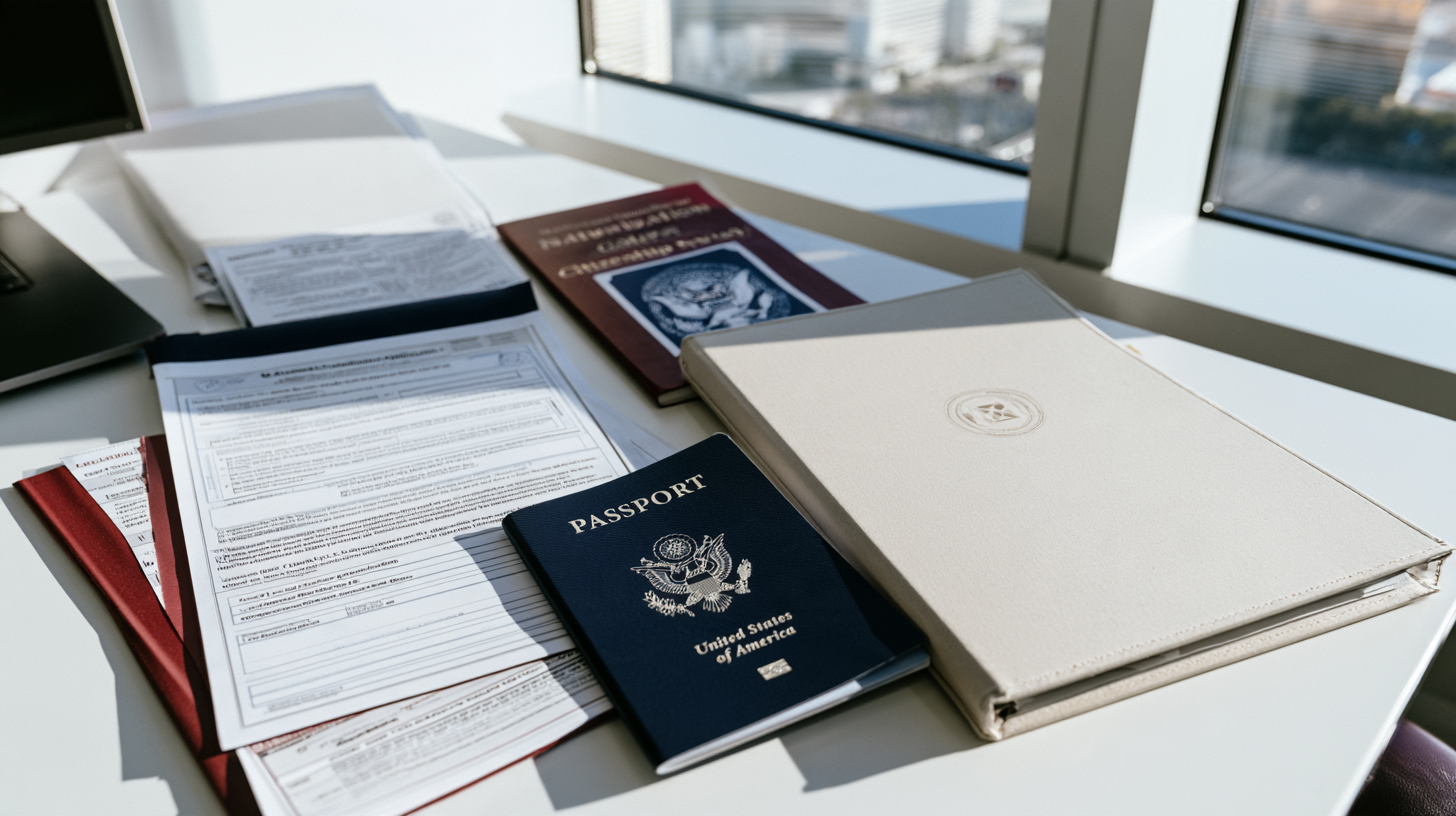
Disclosure done well looks like a folder rather than a confession. Bring the certified court disposition, proof the case closed, receipts for fines or restitution, and a short written account of what happened and what changed since, because handing a recruiter organized paperwork at the first appointment moves a waiver request faster than any explanation delivered from memory.
Recruiters know this, and the good ones say so directly. The recruiter’s interest and the applicant’s interest align here, since a recruit discharged for concealment costs the recruiter more than a recruit who needed a waiver up front. Bring the case to the recruiter before the recruiter finds it.
Nevada families sometimes reach the opposite conclusion, treating a sealed case as a legally protected secret they may withhold. Sealing does give you the right to answer no on many civilian applications, and Nevada law backs that up against employers as what employers and the public can see after sealing explains. A federal enlistment questionnaire is not one of those applications.

Moral Waivers and What Actually Moves the Decision
A moral waiver is the military’s mechanism for enlisting an applicant whose criminal history would otherwise disqualify them. Each branch sets its own waiver policy, categorizes offenses by severity, and assigns approval authority at different command levels depending on the category.
Minor traffic offenses may need nothing at all. A single misdemeanor may need a low-level waiver, while multiple offenses or a felony conviction face a considerably steeper path and some offenses are barred outright. Because each branch writes its own implementing policy under the Defense Department standard, the same record can draw different answers from two recruiters in the same building.
Two things follow from that, and they cut in opposite directions. Waiver policy tracks recruiting conditions, so categories and approval thresholds move: a branch meeting its numbers approves fewer waivers than a branch that is short, and a category that was disqualifying two years ago may not be today. Marijuana policy has moved in exactly that direction in recent years. The corollary is that any waiver guidance you read online, including this page, describes a moving target, so the current standard has to come from a recruiter or from the branch’s own policy rather than from an article. What does not move is the documentation that makes a waiver package credible, and that is where your effort belongs.
Parents carry more of this than they expect. A seventeen-year-old applicant needs parental consent to enlist, and the parent is frequently the one who remembers the case, keeps the paperwork, and can reach the attorney who handled it. Pulling those documents in August, ahead of a spring enlistment, gives the family time to correct errors and to understand whether a Nevada sealing petition is available on any useful timeline.
What moves a waiver decision is documentation and the passage of time. The board reviewing the packet wants the court disposition, proof the case closed, evidence that fines and restitution were paid, and a record of what the applicant has done since, with steady employment, a diploma, references from teachers or coaches or employers, and a clean stretch of years all carrying weight.
A young person whose only case is three years old and who has worked and finished school since is a different applicant than one whose case closed last month. This is also where record sealing genuinely helps, though not the way families expect: preparing a sealing petition requires assembling the certified court records, confirming the charge and disposition, and verifying the case actually closed. That package is the same package a waiver request needs, and people who discover an error in their record during the sealing process fix it before a federal screener sees the wrong version.
Timing, and the Sealing Decision on Its Own Terms
The waiting period under Nevada law is the constraint nobody can work around. A dismissed case or an arrest that produced no charge can often be sealed without any waiting period, while a misdemeanor conviction requires a defined period after the case closes and a felony conviction requires longer depending on the category, as Nevada’s record sealing eligibility rules and when the waiting period begins set out.
Nevada also treats an arrest without charges differently from a conviction, and families often do not know which one they are dealing with. A case ending with the District Attorney declining to file is not a conviction, and it may already qualify for sealing, so pulling the court record settles that question in about a week and changes what the recruiter is looking at.
A high school senior planning to enlist in June rarely has time to complete a sealing petition first, and the enlistment does not depend on it anyway. Treat the two tracks as separate: pursue enlistment with full disclosure and a documented waiver request, and pursue sealing on the schedule Nevada law allows, for reasons having nothing to do with the military.
Those reasons are substantial and easy to underrate at eighteen. A sealed record changes what an apartment application returns, what a background check shows a civilian employer, and what a professional licensing board sees, and an applicant who does not enlist, or who serves and returns to civilian work, otherwise carries that early charge into every application for decades. How first-time offenses follow people longer than expected covers the pattern, and the effect of sealing on a job search covers the payoff.
Firearm rights deserve one note for anyone considering service after a felony conviction. Sealing does not restore them in Nevada, which matters for enlistment eligibility in ways a recruiter can explain better than any website, and the state-law side is covered in whether sealing restores gun rights.

Frequently Asked Questions
Can I Enlist With a Sealed Juvenile Record?
A sealed juvenile record does not remove the disclosure obligation, and enlistment questionnaires are written to capture juvenile adjudications regardless of sealing. Disclose the case, bring the court paperwork, and let the recruiter determine whether a waiver applies, because most single juvenile matters are waiverable and concealment is the failure mode that ends enlistments.
Can I Seal a Nevada Record While Already Serving?
Nevada’s sealing statutes do not exclude service members, and an active-duty applicant may file a petition to seal a Nevada case through counsel without returning to the state. The waiting period and eligibility rules apply the same way they do to civilians, though a sealed record does not undo a disclosure already made to the military.
What Can the Military See That a Nevada Employer Cannot?
Federal enlistment screening reaches FBI records and federal databases a Nevada sealing order does not control, while civilian employers in Nevada see a background check limited by state law. That gap is exactly why a case can be invisible to a hiring manager and visible at a processing station, and the civilian side is governed by Nevada’s rules on misdemeanor sealing and related statutes.
Conclusion
The honest version of this answer costs a law firm some business and saves families a discharge. Sealing will not clear a path through MEPS, the disclosure question reaches sealed and juvenile cases by its own terms, and federal screening draws on records a Nevada order does not control.
What does clear that path is disclosure supported by documents. Most single misdemeanors and most single juvenile matters are waiverable, the passage of time and a record of work and school carry real weight with a reviewing authority, and a recruiter who learns about the case from you rather than from a screen becomes an ally in the process. Concealment is the one failure mode that turns a manageable charge into a career-ending one.
Sealing still deserves to happen, on its own schedule and for its own reasons. Dismissals and arrests without charges frequently qualify with no waiting period at all, the records work that a petition requires is the same work a waiver packet requires, and the protection it provides in housing, employment, and licensing lasts for decades whether or not the enlistment goes through. Eligibility depends on the charge, the outcome, and the waiting period, and every record deserves its own read.
If your household is weighing enlistment against an old Nevada case, schedule a confidential consultation with Record Sealing Nevada before the recruiter appointment. Getting the certified records in hand helps the waiver request and the eventual sealing petition at the same time. Contact a Nevada record sealing attorney for a straight answer about where the case stands, and review a juvenile sealing matter alongside it if the case involved a minor.