Imagine reclaiming your future by understanding record sealing eligibility in Nevada at its core. For many people, even minor criminal records cast long shadows over job prospects, housing options, and everyday interactions.
In this guide, we break down the process step by step. You will learn how to gather the required documentation and navigate court procedures in jurisdictions like Clark County and Las Vegas Justice Court. With clear explanations and practical tips, this resource is designed to empower you as you work toward a fresh start.
Understanding Nevada Record Sealing
Sealing criminal records in Nevada can dramatically improve your prospects, opening doors to work, housing, and community participation. Record sealing eligibility in Nevada refers to the legal process that hides certain criminal records from public view while keeping them on file with government agencies. Criminal record sealing is the legal process that makes past criminal records inaccessible to the public, but unlike expungement, the records are not destroyed—they remain available to certain government agencies.
This process is not expungement. Sealed criminal records still exist, but do not appear in most routine background checks. For many applicants, that means the criminal record will no longer block opportunities that depend on standard screenings.
The long-term benefits are significant. By successfully sealing eligible entries on your record, you can reduce stigma, rebuild professional momentum, and reengage fully in civic life with renewed confidence.

Step 1: Gathering Crucial Documents and Information
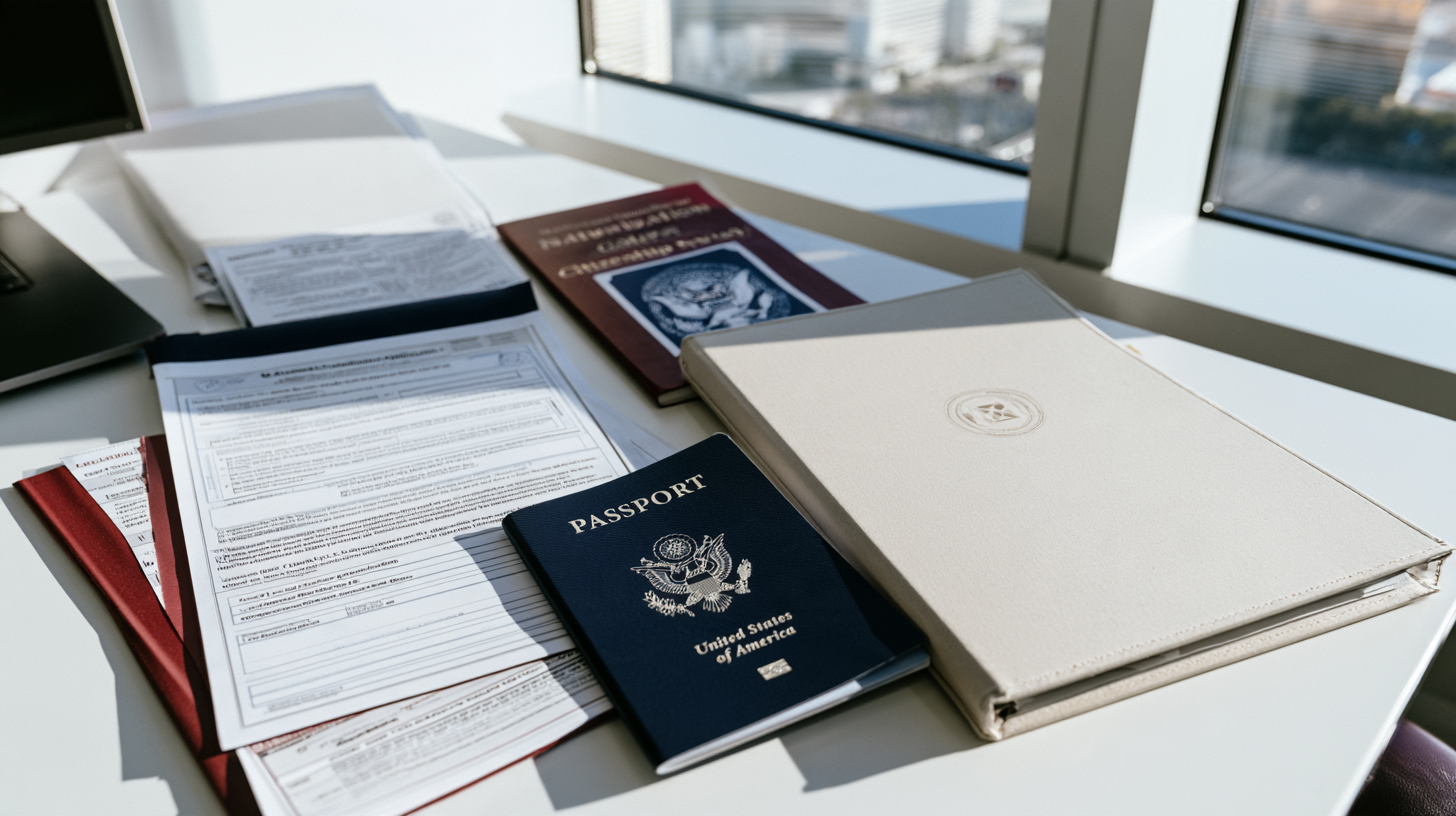
Your path to sealing begins with assembling the required records. A strong petition for record sealing eligibility in Nevada depends on having a complete, accurate file that reflects your criminal history.
Start with your official criminal history report. You can request it from the Nevada Department of Public Safety or from local agencies such as the Las Vegas Metropolitan Police Department. When requesting from the Department of Public Safety, be sure to ask for public safety records or certified copies as needed. This report is the backbone of your petition and should list arrest dates, charges, and final dispositions. It will include information about when you were arrested and the outcome of each case.
Next, collect certified court records for each case. Obtain documents that show the charges, the court’s orders, and the outcome. These records help verify the information in your criminal history report and indicate which entries may qualify for sealing.
Finally, make sure to complete accurate record sealing forms, such as petitions and orders, to ensure all relevant arrest and case information is included.
Documents Required
Gather all supporting materials before filing. This generally includes fingerprint cards, verified case files, and certified copies of judgments or dismissal orders. These documents show that you meet statutory requirements and help reviewers evaluate your petition efficiently.
Confirm that every document is current and clearly labeled to match your petition. Accuracy reduces clerical issues and helps prevent avoidable delays.
If your history spans multiple jurisdictions, create a file for each case, including agency contact information and case numbers. This organization will save time and reduce errors when you compile your final packet.
Step 2: Determining Record Sealing Eligibility Criteria
Determining whether your records are eligible is a critical step. Only eligible criminal records can be sealed, and eligibility depends on the type of offense and the outcome of the case. Nevada law distinguishes between records that may be sealed and those that cannot, based on offense type, waiting periods, and case outcomes.
The nature of the offense is central. Many nonviolent misdemeanors and some felonies may be eligible. Other misdemeanors, such as battery and domestic violence, may have unique eligibility rules or longer waiting periods. More serious offenses may be excluded by statute or face stricter scrutiny. For example, felony DUI and crimes against children are commonly ineligible or subject to tighter rules.
Waiting periods also matter. A certain amount of time must pass after the final disposition of each case before you can file to seal it. The required period varies by offense level. The waiting period begins after the completion of your sentence, release from prison, or completion of parole, depending on the case. For some offenses, such as battery and domestic violence, the waiting period may be longer or have additional restrictions. Meeting these waiting periods demonstrates sustained compliance and rehabilitation.

Case outcomes carry weight as well. If a case ended in dismissal, acquittal, or successful completion of probation, the odds of eligibility generally improve. Having a criminal conviction can impact your eligibility, and completion of parole or release from prison is often required before you can petition. Conversely, pending charges or recent violations may complicate your petition.
Before moving forward, compare your offenses and dispositions with Nevada’s statutory criteria. If you’re unsure, consult a lawyer or legal aid organization to avoid filing a petition that is premature or ineligible. Nevada law creates a rebuttable presumption in favor of sealing records once statutory conditions are met, but this presumption can be challenged by the prosecutor.
Step 3: Filing the Petition in the Appropriate Court
Once you confirm eligibility, file your petition to seal records in the proper court. Jurisdiction depends on where the offense occurred and how the case was handled. The process can differ between the District Court and Justice Court, particularly in Clark County and the Las Vegas area. Petitioning for record sealing may require submitting a justice court petition if your case was handled in justice court.
Identify the correct venue before you prepare forms. Filing in the wrong court can lead to delays or dismissal. Correct placement helps ensure that the right judge and prosecutor review your petition. In some cases, one petition can be used to cover multiple eligible charges within the same jurisdiction, streamlining the process.
Complete all forms with care. Provide precise information about arrests, charges, case numbers, and final dispositions. Once completed, submit the forms to the court clerk, who will process the paperwork and forward it to the judge. Inaccurate or incomplete data can slow the process or undermine your credibility.
Preparing for Submission
Review your packet against your criminal history report to confirm consistency. Correct any discrepancies and make sure names, dates, and case numbers match across documents.
Create a checklist of the court’s requirements and confirm that each item is included. A simple list reduces the risk of missing paperwork.
If your record includes multiple cases, number them and include a summary for each. This helps the court and prosecutors follow your narrative and evaluate eligibility more quickly.
Consider consulting private counsel or contacting Nevada Legal Services. An attorney can spot issues you might miss and help you meet local rules and formatting standards.
Step 4: Navigating Legal Processes and Court Procedures
Filing is the beginning of the legal review, not the end. After submission, court staff and, often, the prosecutor’s office will evaluate your petition and supporting documents. The prosecuting agency is notified of your petition and may review or object to the request to seal records.
During the review, you may be scheduled for a hearing. A hearing allows the court to ask questions, request additional information, or address objections from the prosecutor. If the petition meets the requirements, the court has the authority to seal records.
Stay organized. Keep copies of everything you submit and any communication you receive. If questions arise, you will be able to respond quickly with accurate references.
Anticipate that prosecutors might seek clarification. Proactive, courteous communication can help resolve misunderstandings and keep your case on track.
The process for sealing records is governed by specific statutes pursuant to NRS (Nevada Revised Statutes).
Court Hearings Preparation
Prepare for a hearing as you would for a job interview. Review your petition thoroughly and be ready to discuss the facts of your case, the waiting periods that apply, and the final dispositions.
If you have an attorney, practice answering likely questions. If you are representing yourself, outline key points you want the judge to hear, such as steady employment, completion of treatment or classes, or community involvement.
Dress professionally, arrive early, and bring extra copies of your documents. These small details convey respect for the process and help the hearing run smoothly.
After the hearing, respond promptly to any follow-up requests from the court or prosecutor. Timely responses show diligence and help avoid unnecessary delays.
Regional Considerations: Clark County and Las Vegas Record Sealing
When sealing criminal records in Clark County and Las Vegas, it’s important to understand the specific procedures that apply in this region. The Las Vegas Metropolitan Police Department (LVMPD) is the primary agency responsible for maintaining criminal history records, including the SCOPE (Shared Computer Operations for Protection and Enforcement) report. Before you begin the record sealing process, you must obtain a verified copy of your SCOPE report from the LVMPD, as this document provides a comprehensive overview of your criminal history.
The Clark County District Court has jurisdiction over all district, justice, and municipal court criminal charges for the purpose of sealing records within the county. This means that if you have criminal charges from different courts within Clark County, including Las Vegas, Henderson, or North Las Vegas, you can prepare one set of documents (petition, affidavit, and order) to address all charges at once. When preparing your petition and order, be sure to list the specific township where each case was prosecuted or would have been prosecuted. For justice court charges, you can use the Las Vegas Justice Court heading if your case falls within the relevant township.
Following these regional requirements streamlines the record sealing process and ensures your petition is reviewed by the correct court. Properly identifying the jurisdiction and obtaining all necessary documents from the appropriate agencies, such as the LVMPD, will help you avoid unnecessary delays and increase your chances of a successful outcome.

Special Case Types: Felony DUI and Deadly Weapon Convictions
Not all convictions are eligible for sealing under Nevada law, and it’s crucial to know which offenses are excluded before you begin the petition to seal process. Felony DUI convictions, including those that result in injury or death, are permanently ineligible for sealing. Similarly, convictions involving the use of a deadly weapon, crimes against children, sexual offenses, and home invasion with a deadly weapon cannot be sealed.
For eligible convictions, the waiting period before you can petition to seal your records depends on the severity of the crime and the final disposition of your case. For example, a Category A felony requires a 10-year waiting period after the case is closed, while a gross misdemeanor typically requires a 2-year waiting period. These waiting periods are designed to demonstrate rehabilitation and compliance with the law.
Because the eligibility rules can be complex, especially for cases involving multiple charges or unique circumstances, it is highly recommended to consult with private legal counsel. An experienced attorney can help you determine whether your conviction qualifies for sealing and guide you through the process to ensure your petition meets all legal requirements.
Step 5: Finalizing the Sealing Process and Post-Approval Steps
If the court grants your petition, the judge will sign an order to seal the eligible records. This order directs relevant agencies to restrict public access to those records in accordance with Nevada law.
Obtain multiple certified copies of the signed order. You will typically need to send them to the Nevada Department of Public Safety and to local law enforcement agencies such as the Las Vegas Metropolitan Police Department, along with any other agencies listed in the order.
Distribute the certified copies quickly and track delivery. Many applicants create a distribution log noting when and how each agency received the order. This step helps ensure that all systems update your status.
Keep a master file. Include your petition, the signed order, proof of distribution, and any confirmations you receive. If a background check later shows sealed records in error, your file will help you fix the issue.
For additional support, you can attend a criminal record sealing class or seek help from a legal aid center, many of which are actively accepting clients to assist with the sealing process.
Post-Sealing Verification
Follow up with each agency to confirm that processing is complete. If an agency has not updated its records within a reasonable time, ask for a status update and an estimated completion date.
If you discover discrepancies, contact your attorney or legal aid provider. Counsel can guide you on the best way to resolve issues and, if necessary, seek further court assistance.
Document every follow-up call or email, including the date, the name of the person you spoke with, and the outcome. These notes can be invaluable if problems arise later.
Collateral Consequences: Gun Rights, Voting Rights, and Immigration
Sealing your criminal records in Nevada can restore some important rights, but it’s essential to understand the limitations. Once your record is sealed, your right to vote and your eligibility to hold public office are restored, allowing you to fully participate in civic life. However, sealing a record does not restore your right to possess firearms; this right can only be reinstated through a separate pardon process.
Additionally, while sealed records are hidden from most background checks and public view, certain government agencies—including immigration authorities—can still access your criminal history. This means that sealing your record does not prevent deportation or other immigration consequences for non-citizens. Some professional licensing boards may also retain access to sealed records, which could impact your ability to obtain certain licenses.
Understanding these collateral consequences is vital as you consider the benefits and limitations of sealing your records. If you have questions about how sealing may affect your rights or status, consult with a qualified attorney or legal aid organization for guidance.
Advanced Options: Reopening Records and Expungements
While sealing criminal records in Nevada offers significant privacy protections, it’s important to know that sealed records can be reopened under certain circumstances. Individuals may petition the court to inspect their own sealed records, and courts may grant access if there is a compelling reason. However, sealed records remain inaccessible to the general public and most employers.
Nevada does not offer expungement of criminal records, but the record sealing process achieves a similar result by restricting access to your criminal history. Sealed records are not erased but are hidden from most background checks. If your criminal case was dismissed, you can petition to seal the record immediately, while convictions require you to complete the applicable waiting period before filing a petition to seal.
The record sealing process involves coordination with multiple agencies, including the Nevada Department of Public Safety and the Las Vegas Metropolitan Police Department. You must obtain certified copies of your official criminal history report to start the process and ensure all required documents are submitted to the appropriate courts and agencies. Following the correct procedures and maintaining thorough documentation will help you achieve a successful outcome and protect your privacy moving forward.

Additional Resources and Practical Tips
The process can feel complex, but you are not alone. Nevada Legal Services, local legal aid groups, and many county self-help centers provide guidance tailored to your situation.
Hiring private counsel may be beneficial, especially if your record spans multiple cases or includes complex dispositions. An experienced attorney can interpret statutes, meet local filing requirements, and advocate for you at hearings.
Practical tips include building a comprehensive checklist, setting calendar reminders for deadlines, and keeping digital and paper copies of every document. Consistency and organization reduce errors and speed review.
Use reputable online resources. Court websites and legal aid pages often publish FAQs, sample forms, and step-by-step instructions that reflect current local rules. Compare multiple sources to ensure the information is up to date.
Finally, be patient and persistent. Record sealing is a legal process with many steps. Staying engaged, following up, and responding quickly to requests will help you reach the finish line.
Conclusion
Sealing criminal records in Nevada offers a vital opportunity to move forward. By understanding record sealing eligibility in Nevada and following a structured plan—from gathering documents to appearing in court, you can remove significant barriers to work, housing, and community life.
Each step matters. Determining eligibility, filing in the correct court, preparing for hearings, and verifying post-approval updates all contribute to a successful outcome. Attention to detail and thorough documentation are your allies throughout.
With legal guidance, good records, and steady follow-through, you can pursue sealing with confidence. Take the first step today, use the resources available to you, and open the door to a more secure and promising future.