Navigating the process of getting started with record sealing in Nevada can feel overwhelming, but a fresh start is within reach.
This guide walks you through the first steps and documents you need, with practical direction designed to help you move forward confidently.
If you want to restore civil rights, improve job prospects, and secure stable housing, sealing eligible criminal records can remove a major barrier to opportunity.
By following the steps below, you will gather the right documents, coordinate with the clerk and local agencies, and comply with Nevada law without guesswork.
Understanding Record Sealing in Nevada
Record sealing hides specific criminal records from public view while preserving them in government databases.
Once sealed, a record generally does not appear in routine background checks, though limited access may remain for certain government uses or regulated licenses.
When getting started with record sealing in Nevada, the first steps and documents include learning how sealing works, what it does, and what it does not do.
What Is Record Sealing?
Sealing restricts public access to arrests, charges, and dispositions that meet eligibility requirements under Nevada law.
Your record still exists in government systems, but most employers, landlords, and members of the public cannot see it.
Some agencies can review sealed records in narrow circumstances, such as when you apply for highly regulated roles or certain licenses.
Benefits of Sealing Criminal Records
Sealing can help you reclaim civil rights, including the right to vote when eligible under Nevada law.
It can also remove obstacles during employment and housing screening, leveling the playing field during background checks.
People in Clark County, Las Vegas, and North Las Vegas report that sealed records reduce stigma, improve confidence, and support positive reentry into the community.
For many, sealing is a crucial step toward a second chance and a better future.
Step 1: Obtaining Your Criminal History Report (SCOPE)
The process begins with an accurate and complete criminal history report.
In Nevada, many petitioners rely on the SCOPE report, which compiles arrests, charges, dispositions, and judgments linked to their records.
Why the SCOPE Report Matters
The SCOPE report gives a clear snapshot of your history and anchors the paperwork you will file.
Errors in arrest dates, charges, or final dispositions can derail your petition and cause avoidable delays.
An accurate report helps you meet eligibility rules and present a coherent filing to the court and the district attorney’s office.
How to Request the Report
Contact the appropriate state agency or local law enforcement to request your SCOPE report.
In some jurisdictions, you may request a verified copy online; always confirm current procedures and accepted forms of identification.
Ask about fees and processing times, which can vary by location, and plan to avoid unnecessary delays.
Ensuring Report Accuracy
After you receive the report, review every entry for accuracy.
Verify each arrest, charge, case number, and final disposition against your personal records or court documents.
If something is wrong, contact the issuing police agency promptly to request a correction before you prepare your petition.
Step 2: Determining the Correct Court and Jurisdiction
Nevada’s court structure is divided by jurisdiction, and filing in the right venue is essential.
The proper court depends on the type of offense and where the case was handled.
Understanding Jurisdiction
Jurisdiction is the authority a court has to hear your matter.
A court clerk or defense attorney can help you determine whether your petition belongs in District Court or Las Vegas Justice Court.
Each court may publish its own requirements, forms, and timelines, so confirm the rules that apply to your case.
District Court vs. Las Vegas Justice Court
District Courts generally handle more serious offenses and may require additional documentation. The
Las Vegas Justice Court typically processes lower-level matters and may use streamlined procedures.
Always check local guidance, because differences across Clark County, North Las Vegas, and surrounding jurisdictions can affect how and where you file.
Step 3: Preparing the Essential Paperwork
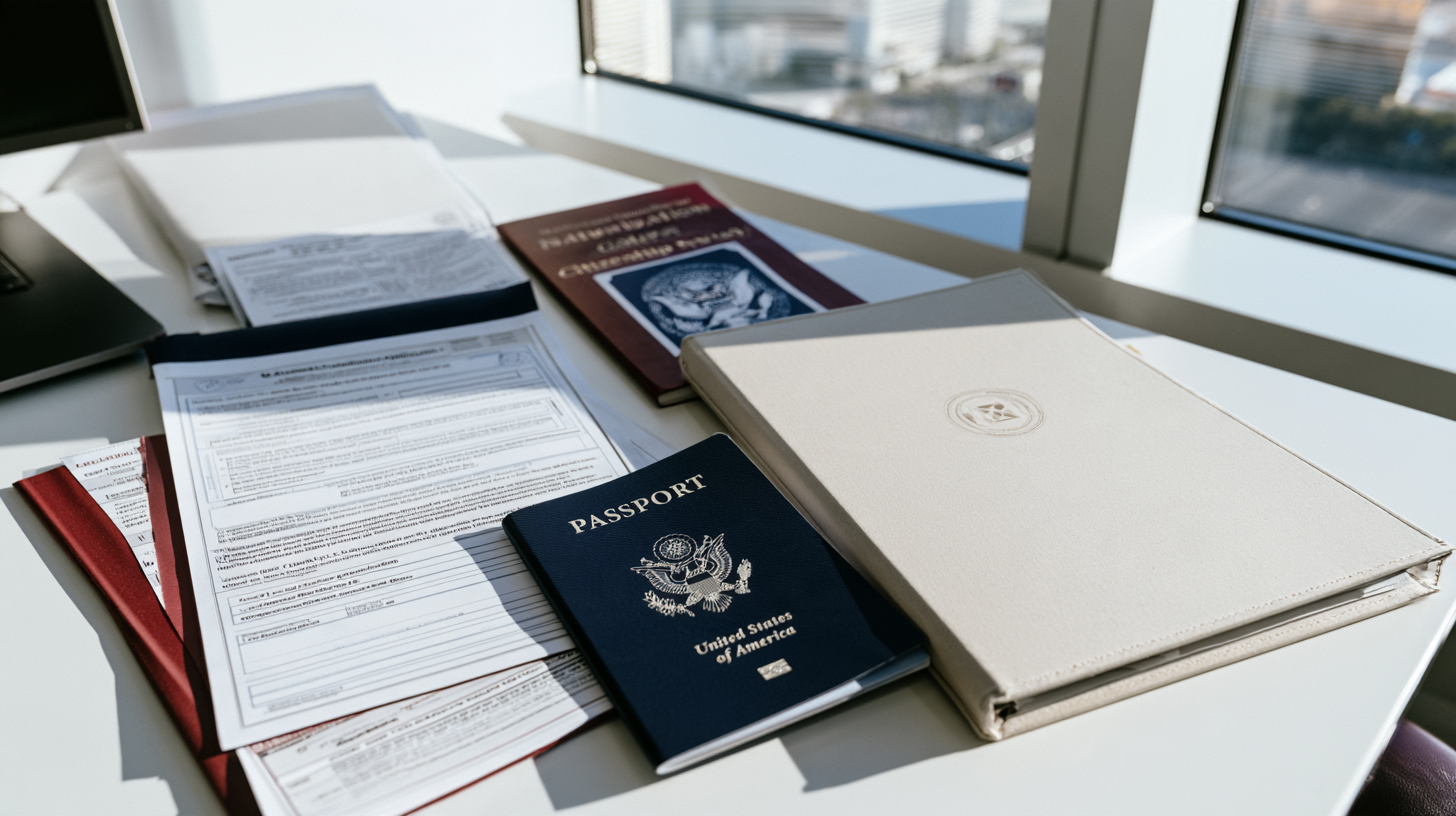
Accurate paperwork is the backbone of a successful petition.
Collect the required forms early, read the instructions closely, and complete every field with care.
Compiling Required Forms
Common documents include the petition, proposed order, affidavits of eligibility, and certified copies of your verified SCOPE report.
If your case spans multiple arrests or case numbers, organize the records clearly to avoid confusion.
Keep a master checklist to track what you have and what you still need.

Important Details: Petition and Order Forms
The petition and proposed order must capture your history completely and accurately.
List each arrest, charge, case number, and final disposition; do not omit information.
Consider consulting a defense attorney to ensure the language aligns with Nevada law and local court expectations.
Proofing and Notary Requirements
Before you file, proofread every line for dates, spellings, and case numbers.
Many courts require notarized affidavits and certified copies; confirm what your court needs and prepare those materials in advance.
Bring valid identification for any notary visit and verify that every signature and stamp is legible.
Step 4: Submitting Your Documentation to the District Attorney’s Office
After you assemble your packet, you will submit it for review to the district attorney’s office.
This step initiates the formal review process and often includes coordination with the court clerk and other agencies.
Filing Your Petition
Follow your jurisdiction’s instructions for delivering the petition and attachments.
Some offices accept in-person filing only; others may allow mail or electronic submission.
Package your documents neatly and include a cover sheet or checklist if the court recommends one.
Verification of Accuracy
When possible, ask the clerk to confirm receipt and completeness.
Ensure required signatures are present and that each exhibit is labeled correctly.
Early verification reduces delays caused by avoidable errors and demonstrates diligence.
Handling Filing Fees
Filing fees vary by court and may differ between the District Court and the Las Vegas Justice Court. Confirm the amount, acceptable payment method, and any administrative add-ons before you file so your petition does not stall for nonpayment.
Step 5: Finalizing the Record Sealing Process in Court
Once the district attorney’s office completes its review, your case moves to the courtroom.
A judge evaluates your submission against Nevada’s eligibility criteria.
Courtroom Review Process
The court will review your SCOPE report, petition, proposed order, and any affidavits to verify accuracy and compliance.
Be prepared to answer narrow questions about dates, dispositions, or other factual details.
Your preparation at earlier steps often determines how smoothly this review goes.
Judicial Decision and Sealed Records
If the court grants your petition, the judge will sign an order sealing your record.
Certified copies are then distributed to the court clerk, police agencies, the district attorney’s office, and other entities that maintain government databases.
The signed order marks a new beginning: it limits public access and supports your efforts to move forward.
Additional Considerations and FAQs
A successful petition depends on timing, eligibility, and clear coordination with agencies.
The following points address common questions for people getting started with record sealing in Nevada and organizing their first steps and documents.
Waiting Period and Eligibility
Nevada law imposes waiting periods that vary by offense type and outcome.
For some cases, you must wait five years after the final disposition before filing; other matters may have shorter or longer timelines.
Confirm the rule for each case on your record to avoid premature filings that waste time and fees.
Handling Unsealable Offenses
Certain offenses cannot be sealed under Nevada law, including some violent crimes, sex offenses, and repeat DUI cases.
If an offense appears unsealable, speak with a qualified attorney about options and next steps.
A professional can clarify whether an alternative remedy might exist and whether waiting periods or recent changes in law affect your situation.
Coordinating With Agencies
Successful sealing requires coordination with the court clerk, police agency, district attorney’s office, and other record holders.
Keep copies of all submissions and request confirmations when available.
Follow up periodically until you verify that each agency has updated its records based on the signed order.
Tips for a Smooth Process
Attention to detail is your greatest advantage.
- Gather identification, prior court paperwork, and a recent, verified SCOPE report before you start.
- Confirm eligibility and waiting periods for each offense on your record.
- Prepare notarized affidavits and certified copies when required by your court.
- Ask a defense attorney or legal aid to review your petition for accuracy and completeness.
- Track fees, payment methods, and deadlines for your jurisdiction.
- Keep a log of calls and emails with the clerk, police agency, and district attorney’s office.
These steps prevent most delays and help you respond quickly if the court requests clarifications.

FAQ
What are the first steps for getting started with record sealing in Nevada?
The process begins by requesting a verified copy of your criminal history (often the SCOPE report). From there, you must collect the necessary documents, such as the petition and order, certified copies, and any supporting record sealing forms. Once prepared, the packet is filed with the clerk’s office in the correct District Court or Las Vegas Justice Court, depending on where the criminal charge or conviction occurred.
Which offenses may not be sealed under Nevada law?
Under Nevada law, certain crimes are excluded from the record sealing process. These include sex offenses, crimes involving custody or justice, violent felony convictions, and some repeat offenses. Records related to gaming licenses may also remain accessible in very limited circumstances. Always consult a defense attorney to determine if your specific criminal offense is eligible.
How long is the waiting period before filing a petition to seal records?
The waiting period varies depending on the type of conviction or criminal charge. For example:
- Other misdemeanors: 1–2 years after final disposition or completion of probation.
- Felony convictions: 5–10 years depending on severity.
- Similar offenses with past convictions: longer waiting times may apply.
The court clerk or your attorney can help you confirm when you become eligible.
What happens after the petition is filed with the district attorney’s office?
Once filed, the district attorney’s office and the prosecutor review the petition to ensure all documents are correct. The court clerk forwards it to a judge who will determine eligibility under Nevada law. If the court grants the petition, the signed order is sent to all the agencies (such as the police agency, the Nevada Department, and other government databases), so your record is sealed.
What benefits does record sealing provide to criminal defendants?
A record sealed under Nevada law restores many civil rights, including gun rights in certain circumstances. It also helps level the playing field during background checks, giving applicants better employment opportunities with potential employers. While sealed records remain in government databases and may be accessed under limited circumstances, the general public and most employers cannot view them.
Conclusion
Sealing a criminal record in Nevada can be a transformative step that restores rights and expands opportunity.
By securing an accurate SCOPE report, identifying the correct jurisdiction, and completing your petition with precision, you will set the stage for a successful outcome.
The journey involves careful paperwork, strict timelines, and steady communication with the clerk, the district attorney’s office, and relevant police agencies.
When the court signs the order, the public barrier of an old record lifts, and you can move forward with renewed confidence.
If you are ready to begin getting started with record sealing in Nevada, use this guide to organize your first steps and documents, ask informed questions, and follow through on each requirement.
With diligence and patience, the sealing process can open doors that were once closed and help you build the future you have worked hard to earn. Contact Record Sealing Nevada for more information!