Sealing a criminal record in Nevada provides real relief from the stigma of a criminal history, but it does not restore all civil rights. For people convicted of a felony, misdemeanor domestic violence, or other disqualifying offenses, the key question is: Can sealing my record restore my gun rights in Nevada?
The short answer is no. While the record sealing process limits public access and improves opportunities in employment and housing, gun rights remain restricted under federal law and Nevada law unless you obtain a full and unconditional pardon.
What Record Sealing Does Under Nevada Law
Criminal record sealing hides your criminal conviction from most employers, landlords, and the general public. After records are sealed:
- Most private background checks cannot see your sealed records.
- You can lawfully deny the criminal offense in many private contexts.
- Your privacy improves, reducing exposure to unlawful employment practice risks.
However, sealed records can still be accessed by a law enforcement agency, a district attorney, the Nevada Attorney General, and federal authorities under specified circumstances.
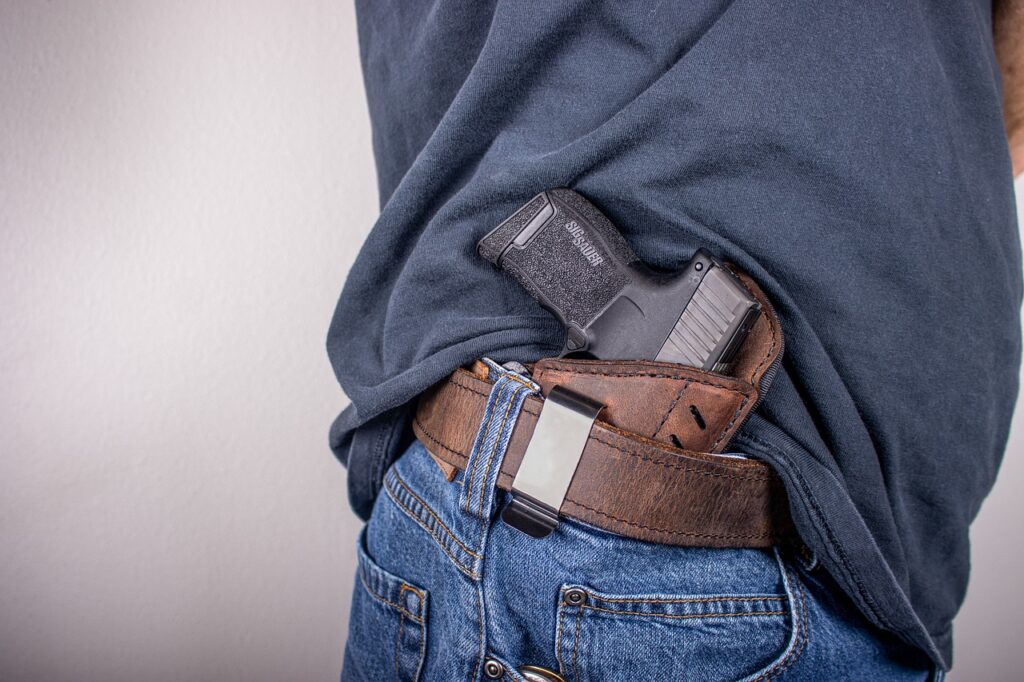
Why Gun Rights Are Different
Firearms possession is governed by both state law and federal law:
- Under 18 U.S.C. § 922(g), a person convicted of a felony offense, certain violent offenses, sexual offenses, or misdemeanors involving domestic violence is barred from possessing firearms.
- Sealing a Nevada state conviction does not remove these federal firearms disabilities.
- Full restoration of firearms rights requires a full and unconditional pardon issued by the Nevada Pardons Board.
The Role of the Nevada Pardons Board
The Nevada Pardons Board (including the Governor, Attorney General, and Nevada Supreme Court justices) can issue pardons that:
- Restore civil rights (e.g., to serve on a jury, hold public office).
- Remove certain firearms disabilities under state and, in effect, federal law.
- Consider complex histories—multiple felony convictions, felony drug offense, violent felonies, and sex offenses—based on rehabilitation and public safety.
Pardons are selective and require a detailed application, compliance with any waiting period, and strong evidence of reform.
Record Sealing vs. Pardon
- Record sealing limits who can see your criminal records; it helps with jobs and housing, but does not restore gun rights.
- A pardon is the mechanism for civil rights restoration (including firearms), after the sentencing court or justice court matters are complete and any suspended sentence or supervision has ended.
Eligibility, Waiting Periods, and Special Situations
- Waiting period to seal depends on offense level (misdemeanor vs. category E felony, category B felony, violent crimes). Dismissals/acquittals can often be sealed sooner.
- Domestic violence offenses and misdemeanor domestic violence trigger federal firearm prohibitions that sealing does not lift.
- Out-of-state convictions and juvenile offenses can complicate outcomes; federal rules still apply even if Nevada seals the record.
- Completion of sentence, actual custody, parole/probation, and avoiding new offenses are baseline expectations before seeking relief.
Practical Benefits of Sealing (Beyond Gun Rights)
- Reduces exposure in private background checks (employers and landlords).
- Eases reentry and mitigates bias tied to past convictions.
- Helps align what employers can see from conducting background checks with your current rehabilitation.
- Supports dignity and privacy while you prepare a future pardon petition.
FAQ
Does sealing my record restore gun rights in Nevada?
No. Record sealing does not restore firearms rights. Under federal law and Nevada law, only a full and unconditional pardon removes the firearm prohibition for a person with disqualifying convictions.
Who can still see sealed records?
A law enforcement agency, county district attorney, courts (including a civil jury context if law allows), and some federal bodies may access sealed records in narrowly specified circumstances.
What if my conviction was for misdemeanor domestic violence?
A misdemeanor domestic violence conviction triggers a federal firearm ban. Sealing does not change that. You would need a pardon to pursue Nevada gun rights restored status.

Do juvenile records or out-of-state convictions change the analysis?
They can. Juvenile records may be treated differently under Nevada procedure, but federal firearm restrictions can still apply depending on the conduct. Out-of-state convictions sealed in Nevada do not bind federal law; a pardon remains the path to restore firearms possession rights.
Where do I start if I want full civil rights restoration?
Seal what you can to reduce public exposure, then prepare a strong pardon application to the Nevada Pardons Board (with support from counsel). Gather court records, proof of rehabilitation, and references; follow procedures guided by the Nevada Administrative Procedure Act and Nevada Revised Statutes.
Conclusion
Sealing helps you move past a criminal record—especially with employment and housing—but it does not restore gun rights for a person convicted of a felony or misdemeanor domestic violence. For complete civil rights restoration, including firearms, you must seek a full and unconditional pardon.
For case evaluation, eligibility, and a precise action plan, contact Record Sealing Nevada:
https://recordsealingnevada.com/