A criminal record can follow a person long after the court case ends. What may begin as even a minor offense, a citation, or even a misdemeanor conviction can quietly affect employment opportunities, housing access, education, licensing, finances, and personal dignity.
In Nevada, the issue is not always the original sentence. The deeper problem is often what happens afterward, when employers conduct background checks, housing providers review applications, or financial institutions evaluate trust and risk.
That is why Nevada record sealing matters. It gives eligible people a legal path to reduce the public visibility of a past case and pursue meaningful criminal record relief.
How a Criminal Record Affects Nearly Every Aspect of Daily Life
A criminal conviction can create consequences that reach far beyond jail time, fines, community service, or community supervision. These are often called collateral consequences, because they continue after the formal case is over.
For many people, the hidden consequences are more disruptive than the immediate penalties. A record can affect job applications, stable housing, higher education, financial aid, and even personal relationships.
The result is often financial strain, social stigma, and a sense that one mistake is controlling the rest of a person’s life.
Why Even Minor Convictions Can Create Significant Consequences
Many people assume that minor convictions do not matter because they are not felony convictions. That assumption can be dangerous.
Even a misdemeanor conviction may appear in public records and on background checks, especially when prospective employers or licensing agencies screen applicants.
For some people, even minor convictions can limit job prospects, delay career advancement, or create concern during the hiring process.
Employment Discrimination and the Hiring Process After a Conviction
A criminal record affects employment because many employers review criminal history before making hiring decisions. While not every employer treats a record the same way, the presence of criminal charges or a conviction can raise questions before the applicant has a chance to explain.
This can create a cycle where qualified job applicants are passed over, especially in industries involving money, vulnerable populations, security, transportation, or professional trust.
A sealed record can help protect future job opportunities by limiting what appears in many routine searches.
Housing Access, Stricter Lease Terms, and Background Checks
A past conviction may also affect housing options. Some housing providers use criminal background screening to decide whether an applicant represents a higher risk.
This can lead to denial, stricter lease terms, larger deposits, or fewer available housing opportunities.
For someone trying to rebuild life after a case, losing access to stable housing can create disastrous consequences across many aspects of daily life.

Professional Licenses, Security Clearance, and Career Advancement
A record may also affect professional licenses, security clearance, and long-term career advancement.
Some licensing boards, employers, and government-related agencies may review criminal history more closely than ordinary employers.
This is especially important when a person’s work involves healthcare, finance, education, caregiving, transportation, or regulated services.
Immigration Status, Public Benefits, and Other Privileges
Certain convictions can affect immigration status, public benefits, welfare benefits, voting rights, driving privileges, and other privileges.
For example, issues involving violent crimes, violent offenses, controlled substances, fraud, or domestic-related conduct may create legal concerns outside the criminal court system.
Anyone facing these risks should get individualized guidance before assuming record sealing solves every consequence.
Child Custody, Personal Relationships, and Long-Term Effects
A record can also affect child custody, family stability, and trust within personal relationships.
Even when the legal case is closed, the public availability of a record may influence how others view responsibility, judgment, or safety.
These lasting consequences can affect a person’s confidence and ability to move forward.
Nevada Record Sealing Is Not the Same as Expungement
Nevada generally uses record sealing, not expungement. A sealed record is not destroyed; instead, it is removed from general public access.
Nevada officials explain that sealing restricts the dissemination of the record, but certain agencies or authorized parties may still access sealed information in specific circumstances.
This distinction matters because record sealing vs expungement affects expectations. Sealing helps protect your future, but it does not erase history in every possible legal context.
Nevada Record Sealing Eligibility Depends on the Case
Eligibility depends on the offense, the disposition, the waiting period, and whether the person has satisfied the legal requirements.
Under Nevada law, courts may seal records of an arrest, criminal conviction, acquittal, or dismissal when the proper legal conditions are met. LVMPD also notes that a person must list each eligible arrest or citation in the petition and order.
This is why the legal process should begin with a careful review of the person’s full criminal history, not just one charge.

Waiting Periods for Nevada Criminal Record Relief
Nevada waiting period rules vary depending on the offense and case outcome.
The Nevada Department of Public Safety explains that waiting periods differ by case type and points readers to statutes governing sealing after conviction, dismissal, acquittal, and related circumstances.
In practical terms, some dismissed or acquitted matters may be eligible sooner, while convictions often require more time after the case is closed.
Certain Convictions May Be Harder or Impossible to Seal
Not every record can be sealed. Certain convictions involving violent crimes, violent offenses, crimes against children, sexual offenses, felony DUI, or other serious categories may be restricted or unavailable for sealing.
This is one of the most important warnings for anyone seeking relief. Disqualifying offenses must be identified before filing, because an incorrect petition may waste time and create unnecessary setbacks.
A Nevada record sealing attorney can evaluate whether the offense qualifies and whether any special statutory rule applies.
The Legal Process Requires Accuracy, Not Guesswork
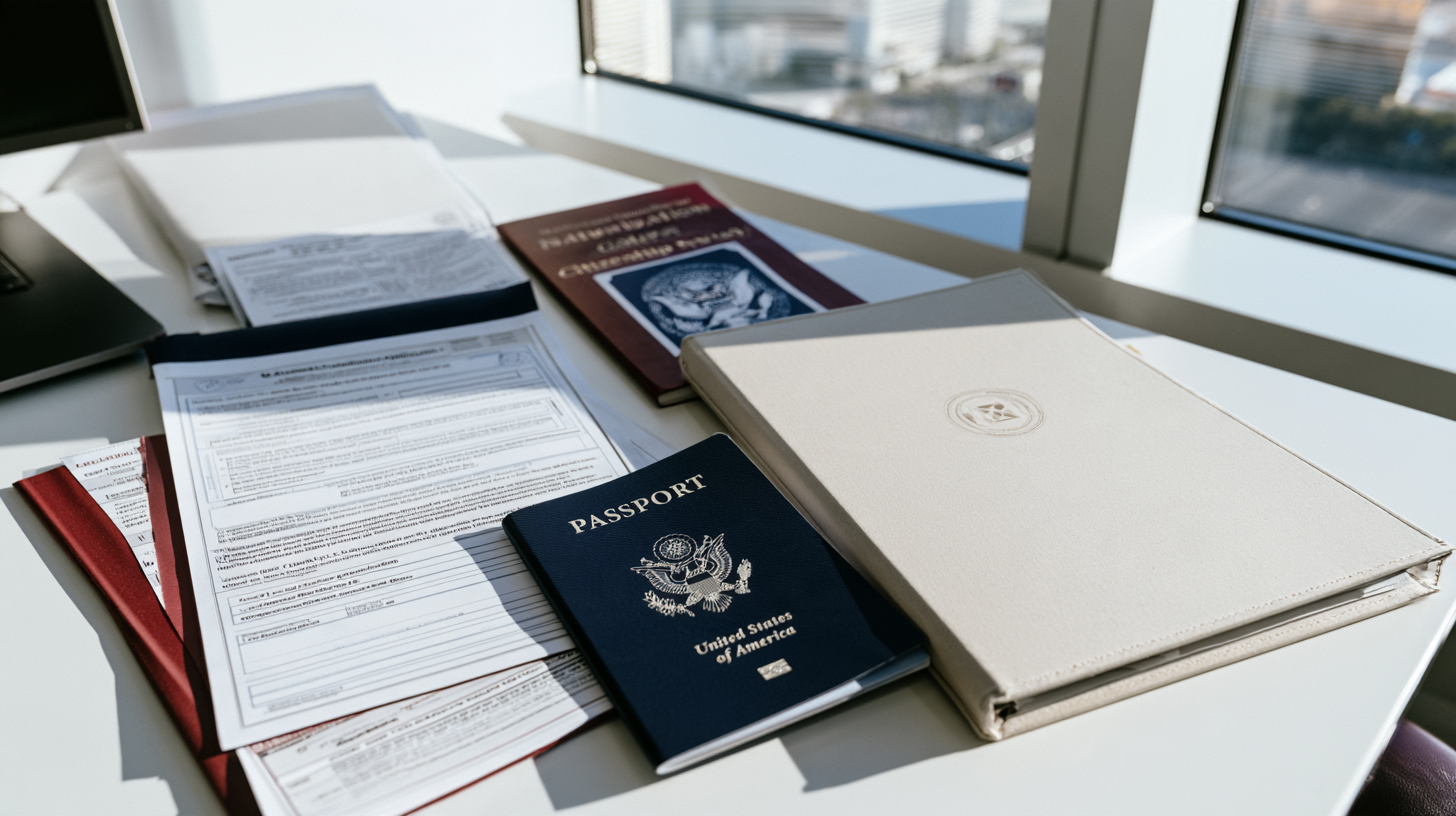
The record sealing process is document-heavy. It may require criminal history records, court records, agency information, petitions, orders, and prosecutor review.
Nevada officials note that procedures vary by county and that a person should contact the court in the jurisdiction where the arrest occurred.
In Clark County and Las Vegas, records may involve different agencies, including LVMPD, Henderson, North Las Vegas, municipal courts, justice courts, and the district court.
What Happens After a Nevada Record Is Sealed
Once a record is sealed, it is generally removed from public access and many ordinary background checks.
That can improve the person’s ability to apply for employment, housing, school, and other opportunities without the same public record burden.
However, sealed does not always mean invisible to everyone. Certain government agencies, licensing bodies, or courts may still access sealed records when Nevada law allows it.
Why Legal Guidance Can Protect Your Future
Record sealing is not only paperwork. It is a legal strategy designed to reduce the long-term consequences of a past case.
An attorney can help confirm eligibility, calculate the proper waiting period, identify disqualifying offenses, prepare the petition, and avoid errors that delay relief.
For many people, this guidance can be the difference between uncertainty and a clearer path forward.

FAQ
Can a Minor Offense Be Sealed in Nevada?
Yes, many minor offenses may be eligible for Nevada record sealing, but eligibility depends on the exact charge, case outcome, waiting period, and whether the case is fully closed.
How Long Is the Waiting Period for Nevada Record Sealing?
The waiting period depends on the offense and disposition. Some dismissed cases may be eligible sooner, while convictions usually require waiting after completion of sentencing, probation, parole, or other case obligations.
Are Any Nevada Criminal Records Disqualified From Sealing?
Yes. Certain serious offenses, including some sexual offenses, crimes against children, felony DUI, and other restricted categories, may not be eligible for sealing under Nevada law.
Is Record Sealing the Same as Expungement in Nevada?
No. Record sealing vs expungement is an important distinction. Nevada sealing limits public access to the record, while expungement generally refers to destruction or erasure, which Nevada does not broadly provide.
What Happens After My Criminal Record Is Sealed?
After sealing, the record is generally removed from public access and may not appear in many ordinary background checks, but some agencies may still access it in limited legal circumstances.
Conclusion
A minor offense can create significant consequences when it remains visible in public records. It can affect employment, housing access, financial aid, professional licenses, child custody, immigration status, and many other aspects of life.
The good news is that criminal record relief may be available under Nevada law. For eligible people, record sealing can reduce the public burden of a past case and create a stronger path toward work, housing, education, and stability.
If you are concerned about when minor offenses end up having long-term record consequences, schedule a confidential consultation with a Nevada record sealing attorney at Record Sealing Nevada to get personalized guidance for your specific criminal record and learn the next steps to protect your future.