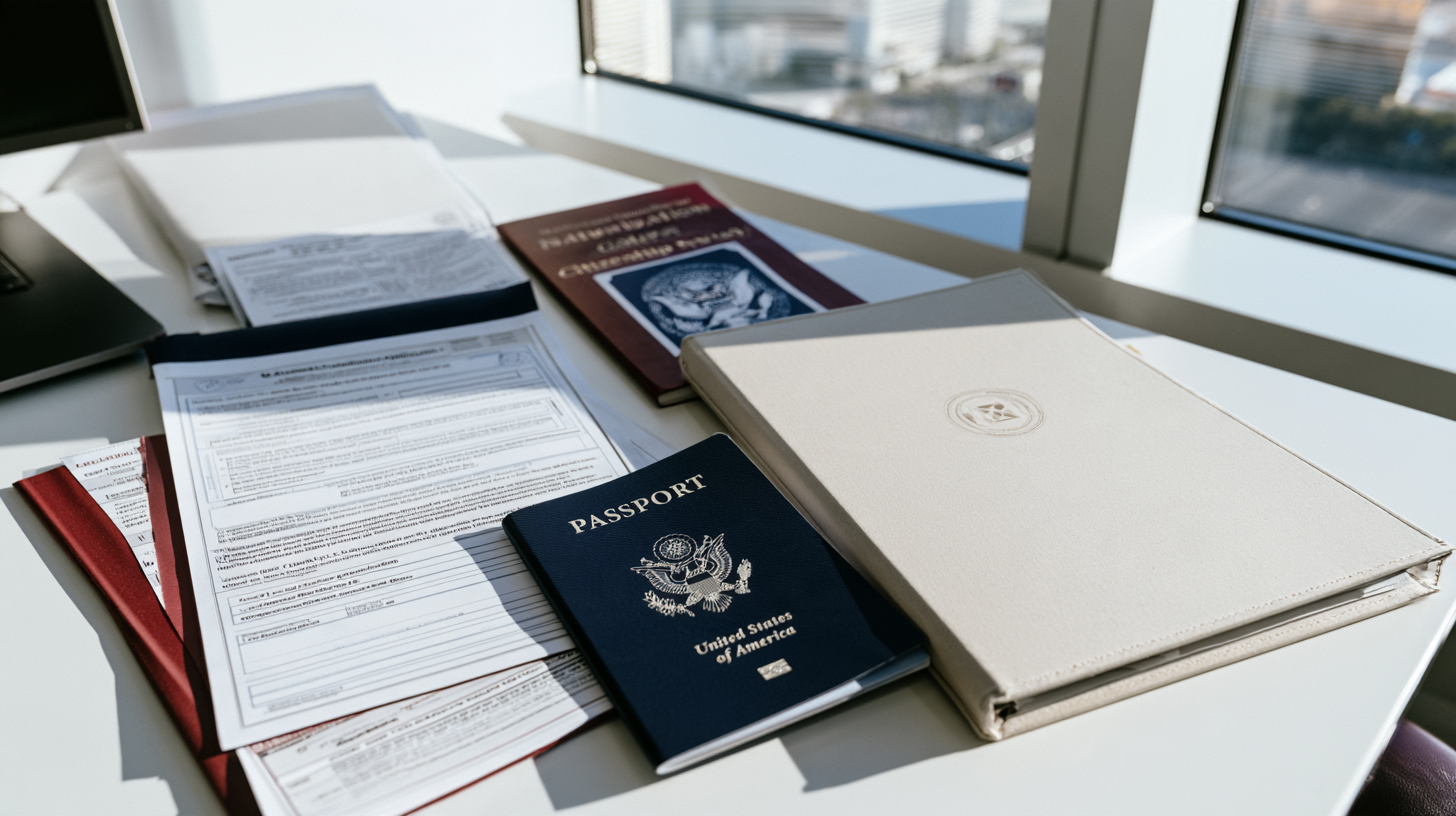
A sealed record and an immigration case can pull in different directions. That is a frightening thing to discover after someone has already started a record-sealing petition, renewed DACA, applied for a green card, or prepared a naturalization application.
Both processes matter. They simply do not follow the same rules.
Record sealing in Nevada is real legal relief. It can restrict public access to a criminal case, help with many background checks, and allow a person to answer “no” to many questions about a sealed arrest or conviction. But record sealing is a Nevada remedy. Immigration law is federal law, and federal immigration agencies do not have to treat a sealed Nevada record the same way Nevada courts treat it.
This guide explains what record sealing for non-citizens in Nevada can and cannot do, why DACA can be different from other immigration processes, why green card and naturalization applicants still need careful disclosure review, and why this situation usually requires both a Nevada record sealing attorney and an immigration attorney.
Record Sealing Is a Nevada Remedy, Not an Immigration Remedy
Under NRS 179.285, once a Nevada court orders a record sealed, the proceedings are generally treated as though they did not occur for most purposes. Nevada courts, law enforcement agencies, state agencies, landlords, employers, and many private background check companies may be affected by that sealing order.
That protection can be very important. A sealed record may help with employment applications, housing applications, professional opportunities, school programs, and ordinary background checks.
However, Nevada’s record sealing does not control federal immigration law. A Nevada court order does not bind U.S. Citizenship and Immigration Services, Immigration and Customs Enforcement, immigration courts, Customs and Border Protection, or other federal agencies in the same way it binds Nevada record custodians.
A sealed record is not automatically invisible to the federal government. Immigration agencies may rely on fingerprint-based background checks, federal databases, applicant disclosures, court-certified dispositions, arrest records, and immigration forms that ask direct questions about arrests, charges, convictions, guilty pleas, or criminal conduct.
That is why a person should not assume that sealing a Nevada record means the case can be omitted from an immigration filing.

Why “Sealed” Does Not Mean “Gone” for Immigration
For many state and private purposes, a sealed Nevada record may be treated as though it did not happen. Immigration law uses a different framework.
Federal immigration law has its own definition of a conviction. It does not automatically defer to a state’s later decision to seal, dismiss, expunge, or otherwise restrict access to a criminal record. What matters is often whether there was a guilty plea, admission of facts, finding of guilt, penalty, restraint, or punishment under the federal immigration definition.
This distinction has been shaped by federal immigration decisions. In Matter of Roldan, the Board of Immigration Appeals held that a conviction eliminated for rehabilitative reasons can still count as a conviction for immigration purposes. In Matter of Pickering, the Board explained that a conviction vacated because of a substantive or procedural defect in the original case may be treated differently from a conviction vacated only for rehabilitation or immigration hardship.
Nevada record sealing is generally based on statutory eligibility, waiting periods, case disposition, and the passage of time. It is not usually based on a finding that the original conviction was legally invalid. For immigration purposes, that distinction can matter.
In practical terms, record sealing and vacating a conviction are not the same thing. A sealed record may help with public access and many background checks, but it may not erase the immigration consequences of the underlying case.
DACA Renewal and Sealed Records
DACA is one area where the analysis can be more nuanced. DACA has its own eligibility bars and discretionary standards. A felony conviction, a significant misdemeanor, or three or more non-significant misdemeanors can affect eligibility.
USCIS guidance has treated expunged or sealed convictions differently in the DACA context than in some other immigration contexts. USCIS states that an expunged or sealed conviction does not automatically disqualify a DACA requester and will be assessed on a case-by-case basis.
That is helpful, but it is not a guarantee. “Case by case” means USCIS may still review the facts, the conduct, the type of offense, public safety concerns, and the applicant’s overall record. DACA is discretionary, and USCIS can still deny a request even when a strict criminal bar is not automatically triggered.
This is especially important for offenses that may fall into significant misdemeanor categories, such as domestic violence, sexual abuse or exploitation, burglary, unlawful possession or use of a firearm, drug distribution or trafficking, or driving under the influence. Other misdemeanors may also become significant depending on the sentence imposed.
A DACA recipient should not file a renewal based only on the assumption that a sealed Nevada record will be ignored. The safer step is to have an immigration attorney review the conviction, the Nevada sealing order, the final disposition, and the current DACA guidance before filing.
Green Card Applications and Sealed Records
A person applying for a green card may still need to disclose arrests, charges, convictions, guilty pleas, or criminal incidents even if the Nevada record has been sealed. Immigration forms often ask broad questions, and the exact wording matters.
A sealed Nevada record may not appear in an ordinary public court search, but USCIS may still require certified court dispositions, arrest records, charging documents, sentencing records, or proof of how the case ended. The applicant may also need to explain the conduct behind the case if it affects admissibility or discretion.
For green card applicants, the concern is not only whether the record appears in a background check. The concern is whether the offense triggers a ground of inadmissibility, whether a waiver is available, whether the applicant must disclose the case, and how the case should be documented.
A sealed record can still be useful. It may help with employment, housing, and public background checks while the immigration case is pending. But it is not a substitute for immigration analysis.
Anyone applying for adjustment of status, consular processing, or another green card pathway should speak with an immigration attorney before assuming a sealed Nevada record has no federal impact.

Naturalization and Good Moral Character
A person applying for naturalization must usually show good moral character during the required statutory period. USCIS may consider criminal history, conduct, arrests, convictions, probation, compliance with court orders, and other factors when reviewing a naturalization application.
A sealed Nevada record does not automatically disappear from this analysis. USCIS officers may still ask about arrests and charges. Form N-400 and related review processes can require disclosure of criminal history even if a state court has sealed the case.
The fact that a record is sealed may still matter positively. It may show that the person completed the case, waited the required time under Nevada law, and obtained state-law relief. But it does not remove the need to answer immigration questions accurately.
For naturalization applicants, the safest approach is to gather complete certified records before filing. That may include the complaint, plea agreement, judgment, sentence, dismissal, sealing order, and any proof of completion. An immigration attorney can then evaluate how the case affects good moral character and whether filing now is wise.
Visa Holders and Consular Processing
Visa holders and people applying through consular processing face additional risks because immigration questions may be asked at the embassy, consulate, port of entry, or during visa renewal. A sealed Nevada record may not prevent federal officials from asking about arrests or convictions.
Consular officers may request court records even when a state has sealed the case. They may also evaluate whether the offense affects visa eligibility, admissibility, or discretion.
For someone outside the United States or preparing to travel, the risk can be higher because a criminal issue may create delays, administrative processing, visa denial, or problems returning to the United States.
Before traveling internationally or applying for a visa with a sealed Nevada record, speak with an immigration attorney. The issue is not only whether the record is public. The issue is whether the federal government expects disclosure and whether the offense affects immigration eligibility.
Why Certified Records Still Matter After Sealing
In ordinary background check disputes, certified copies of a sealing order can help prove that the case should no longer appear in a consumer report. In immigration matters, the same documents may serve a different purpose.
Instead of using the sealing order to hide the case, the applicant may need it to explain the case accurately. Immigration agencies may ask what happened, how the case was resolved, whether probation was completed, whether fines were paid, whether the case was dismissed, or whether a conviction still counts under immigration law.
This means a person should collect documents before and after sealing. Once a record is sealed, obtaining certain court records can become harder. If immigration filings are expected, it may be important to gather certified dispositions before the sealing process is complete.
Why This Calls for Two Attorneys
Anyone with a Nevada criminal history and an immigration matter should consider speaking with two types of attorneys: a Nevada criminal defense or record-sealing attorney and a qualified immigration attorney.
A record-sealing attorney can evaluate whether the person qualifies under Nevada law, prepare the petition, handle court requirements, and help ensure the sealing order is processed correctly.
An immigration attorney can evaluate whether the offense affects DACA, adjustment of status, naturalization, admissibility, deportability, waivers, discretionary review, or travel risk. Immigration consequences often turn on the exact statute of conviction, plea language, sentence, and procedural history.
Two attorneys may look at the same case and answer different questions. The Nevada attorney may say, “This record is eligible to be sealed.” The immigration attorney may say, “This conviction still matters for federal immigration purposes.” Both can be correct.
Timing also matters. Filing a sealing petition before collecting certified immigration records may create practical problems. Filing an immigration application before understanding the criminal consequences can create much larger risks. Coordination is the safest approach.
What Record Sealing Still Accomplishes
Even when immigration consequences remain, record sealing can still be valuable. A sealed record may restrict access for most private background check companies, landlords, employers, schools, and ordinary public searches. That can help a person build stability while addressing immigration issues separately.
For many non-citizens, stability matters. Better access to work, housing, education, and financial opportunities can support the broader plan. Sealing can reduce public stigma and remove barriers that make daily life harder.
Record sealing is not wasted effort just because immigration law has its own rules. It solves the problems it was designed to solve. Immigration status requires its own separate legal analysis.

FAQ
Does a sealed Nevada record still matter for immigration?
Yes, a sealed Nevada record may still matter for immigration because federal agencies apply federal immigration law. A sealed record may help with state and private background checks, but it does not automatically erase immigration consequences.
Do DACA recipients have to disclose sealed records?
DACA applicants and recipients should answer USCIS questions carefully and should not assume a sealed record can be omitted. USCIS has said sealed or expunged convictions do not automatically disqualify a requester, but they may still be reviewed on a case-by-case basis.
Should I seal my record before applying for a green card or citizenship?
It depends. Record sealing may help with state and private background checks, but immigration filings may still require disclosure and certified records. Speak with both a Nevada record-sealing attorney and an immigration attorney before deciding the order of filings.
Conclusion
If a criminal record and an immigration case exist in your life at the same time, the stakes on both sides are real. Getting accurate information early is more important than moving quickly without a plan.
Record Sealing Nevada helps people throughout Nevada evaluate eligibility to seal a record and manage the state court process carefully. The team can also help you coordinate with immigration counsel so both sides of the case are handled with the full picture in view.
Schedule a free, confidential consultation with Record Sealing Nevada to review your Nevada record sealing options and understand what questions to ask before moving forward.
A past case does not have to decide what happens next in Nevada courts or in your immigration case. Getting the right attorneys involved, in the right order, is how you protect the next step.
This article is for informational purposes only and does not constitute legal advice. Immigration consequences of a criminal record depend on the specific offense, statute, and immigration process involved. Consult both a qualified Nevada criminal defense or record-sealing attorney and a qualified immigration attorney for guidance specific to your situation.