If you are wondering how to get my record sealed, you are not alone. In Nevada, a criminal record can sometimes be sealed to limit public access. Nevada law provides a process for sealing records under a specific statute, which sets out the requirements and procedures for individuals seeking to seal their criminal history. Sealing is not automatic. It depends on the type of case, the outcome, and how much time has passed.
Sealing is different from expungement. Nevada primarily uses the term seal records rather than expungement. The statute (NRS 179) outlines the legal framework for sealing records in Nevada. Sealing restricts what shows up on most public background checks, but law enforcement and certain agencies may still access sealed information in specific circumstances. A sealed record does not erase the past; it limits public disclosure and helps reduce stigma in employment, housing, and licensing.
Understanding the basics helps set expectations: you must identify eligible cases, file a petition in the correct court, notify the prosecutor and agencies, and, if required, appear at a hearing. The type of crime involved—such as whether it is a felony, misdemeanor, or a crime of violence—can affect eligibility for sealing. With preparation and patience, the process can lead to meaningful relief.
What Can Be Sealed and Who Qualifies
Most people seek sealing after a dismissal, acquittal, or a completed sentence for minor offenses. Some misdemeanors and many non-violent offenses may be sealable after a waiting period. For example, ‘other misdemeanors’ typically have a one-year waiting period. Certain felony categories, such as a felony or a D felony, have stricter limits and longer waiting periods before you can petition for sealing. Burglary, especially residential burglary, is considered a serious offense and may have additional restrictions on sealing eligibility. Juvenile records often follow separate rules.

Eligibility turns on the case history, disposition, and your current status. If you have no criminal conviction, or you completed probation without a violation, you are more likely to qualify. For those who have been convicted of a crime, the process for sealing a criminal conviction depends on the type of offense and the waiting period after completion of all terms. Violent crimes, serious sexual offenses, and cases involving domestic violence can complicate or bar sealing. Crimes involving children are generally not eligible for sealing. The court weighs whether sealing does justice and aligns with public safety.
Before filing, confirm you have finished all terms of the sentence, including fines and restitution, and that no new charges are pending. The waiting period to seal your record usually begins after you are released from actual custody, or upon discharge from parole, probation, or after a suspended sentence ends. A clean post-conviction record and evidence of rehabilitation strengthen your case.
The Petition Process in the District Court
Where to file: Petitions to seal are filed in the district court that handled the case, typically in the county where the record arose. Determine the correct jurisdiction and the court that prosecuted the case.
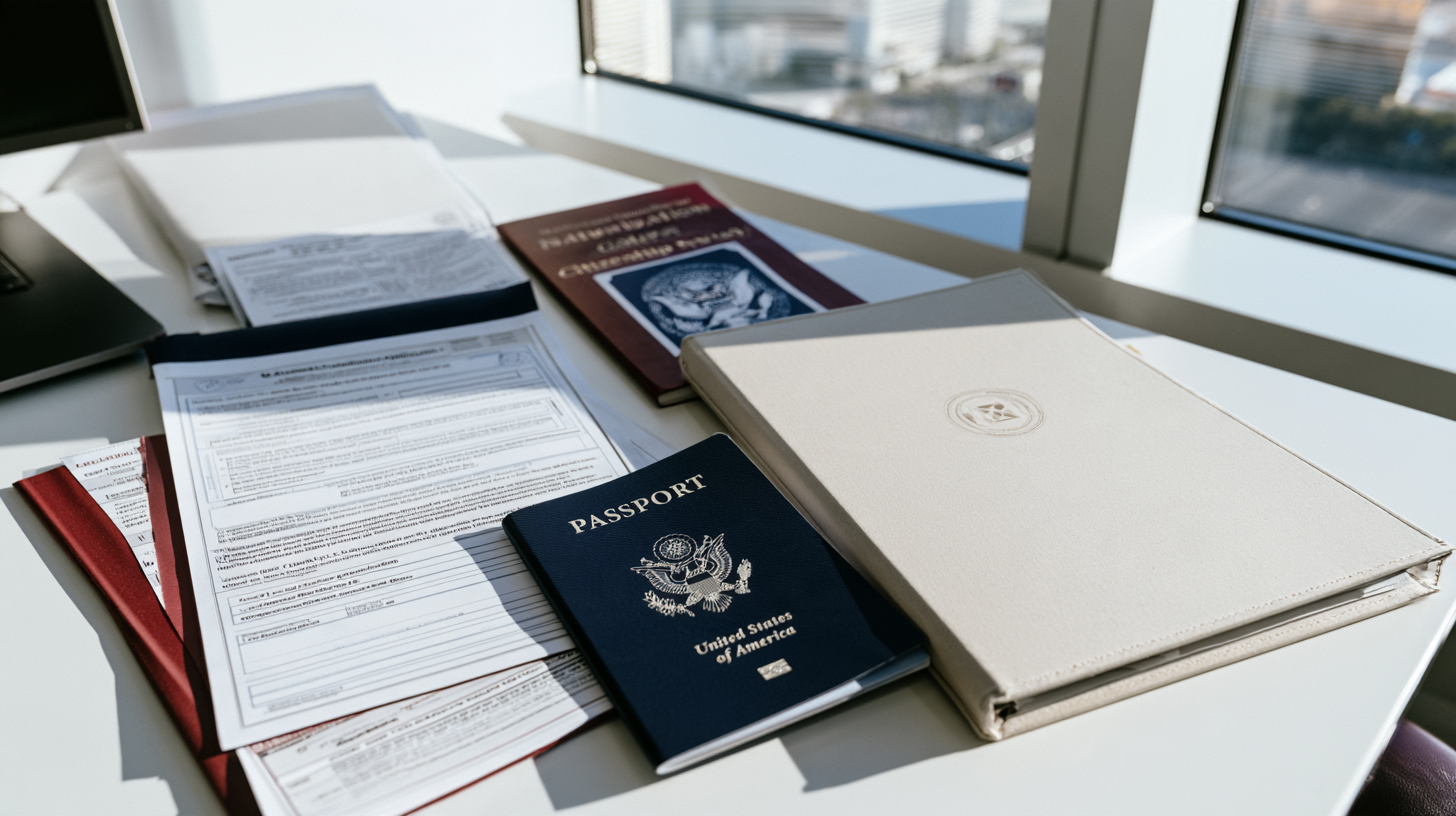
Gather your materials: You will need docket and case numbers, charging documents, final disposition orders, proof of sentence or probation completion, and a clear timeline. Collect any certificates, letters of support, and proof of no current charges. Be sure to include arrest records and specify the date of each arrest or conviction, as this information is crucial for eligibility. You may need to request records from the appropriate department, such as the Department of Public Safety or local police departments. Include a list of agencies reasonably believed to have possession of your records in your petition. Review your criminal history to ensure all criminal charges are accounted for. Organized records make your petition stronger and your hearing smoother.
Prepare the petition: The petitioner is the person requesting the sealing of records, and only one petition is needed per case. The petition is a formal filing that identifies you, the case, and the relief requested. Explain why sealing is warranted, highlight rehabilitation, and note any harms from ongoing public access. Include contact information for the prosecuting attorney, the prosecuting agency, and the agencies that maintain the records. For example, you can refer to sample petition forms provided by the court to guide you in completing your own.
Filing and fees: You or your attorney files with the district court clerk. A filing fee may apply; request a fee waiver if you cannot afford it. Records must be obtained from the relevant agencies, and only applicable information should be included in the forms. The court may set a hearing and will specify notice and service requirements.
Notice and service: Nevada generally requires service on the prosecuting attorney, the prosecuting agency, and the agency or agencies that keep the records. Proper service is essential; errors can delay or derail the hearing.
Timeline: The process can take weeks to months, depending on court calendars, any objections, and case complexity. Prompt responses to court or prosecutor requests help avoid delays.
Roles of the Prosecuting Attorney and Agencies
After filing, you must serve the petition on the prosecuting attorney and relevant agencies. Proper service and communication enable the court to move forward with the sealing process. The prosecutor reviews your filing, checks eligibility under Nevada law, and may support, remain neutral, or object. If the prosecuting attorney agrees to the sealing, they may stipulate to it, which can allow the court to seal the records without a hearing. You should be prepared to address any concerns, such as incomplete restitution or recent arrests.
Agencies that maintain records—such as law enforcement or the central repository—must be notified so they can update files if the court grants sealing. Even after sealing, certain agencies may still access the information for limited legal or safety purposes. Accurate service and communication with these entities help ensure timely updates once an order is issued.
Waiting Periods, Exceptions, and Special Rules
Standard waiting periods apply in many cases and vary by offense level. The clock typically starts after you complete all terms of the sentence, including probation or parole, and after your release from prison or custody. It is important to know your release date from incarceration or supervision, as this determines when you become eligible to petition for sealing. The more serious the offense, the longer the wait.
Exceptions may apply for dismissals, acquittals, or juvenile matters, which can follow shorter or different timelines. Suspended sentences, conditional releases, and specialty court cases may have unique rules. If there is a temporary or extended order in place, such as a protection order, this may affect your eligibility or the timing for sealing records. Active cases, pending charges, or probation violations can delay or defeat a petition.
Local practice matters, too. Nevada courts—including in Clark County, Las Vegas, and North Las Vegas—may have additional procedures or forms. Sealing records provides important legal protection by restricting public access to your criminal history. Always confirm the current rules before filing.

Getting Help: Legal Aid, Resources in Clark County
If you are unsure how to proceed, seek help from a Nevada-licensed attorney or a legal aid center. Legal aid organizations assist individuals seeking to seal their records. The Legal Aid Center of Southern Nevada and Nevada Legal Services are accepting clients who meet eligibility criteria and may offer clinics, forms, and representation. Nevada Legal Services also offers a criminal record sealing class to help people understand the process.
Court self-help resources and community workshops can guide you through forms, services, and hearing preparation. Some applicants qualify for free or reduced-cost services. If you request a fee waiver, be ready to provide financial documentation. Staying on top of deadlines and court notices is critical to avoid jeopardizing your petition.
Step-by-Step Checklist to File Your Petition
Confirm eligibility
- Review your case history and confirm no pending charges.
- Verify you have met the waiting period and completed all sentence terms.
Gather documents
- Docket and case numbers, charging and disposition records.
- Obtain a SCOPE printout from the Las Vegas Metropolitan Police Department or your local law enforcement agency. This document includes your arrest and citation history and is essential for the record sealing process.
- Proof of sentence or probation completion; restitution receipts.
- Letters of support or certificates that show rehabilitation.
Prepare your petition
- Use the correct county forms; include accurate personal and case details.
- Explain why sealing is warranted and how it will help you move forward.
File with the district court
- Submit the petition and any required exhibits.
- Pay the filing fee or apply for a fee waiver.
Serve the required parties
- Serve the prosecuting attorney and agencies that maintain the records.
- Keep proof of service, calendar response, and hearing dates.
Monitor the case
- Follow up with the clerk; respond promptly to requests.
- Correct any deficiencies the court or prosecutor identifies.
Prepare for the hearing
- Bring organized exhibits and character references.
- Be ready to address questions about rehabilitation and public safety.
Follow up after the order
- Obtain certified copies and confirm agency updates.
- Provide copies to employers or licensing boards only if necessary.
Common mistakes to avoid: incomplete information, missing signatures, incorrect case numbers, and failure to serve all required parties. Double-check every filing and keep copies.
FAQ
Can I seal a DUI conviction in Nevada?
It depends on the circumstances. Some DUI convictions may be eligible for sealing after a waiting period, but felony DUI cases—especially those involving injury or death—are often not sealable. Always confirm with a Nevada attorney before filing.
How long do I have to wait before applying to seal my record?
The waiting period varies by offense level. For example, many misdemeanors may be eligible after 1–2 years, while certain felonies require several years. The waiting time begins only after you have completed all terms of your sentence, including probation.
Does sealing a record erase my criminal history?
No. Sealing restricts public access to your record, but it does not erase it. Law enforcement, prosecutors, and certain licensing agencies may still view sealed records in specific situations.
Do I need a lawyer to seal my record in Nevada?
While you are not required to have a lawyer, having one can make the process smoother and reduce mistakes. Legal aid organizations in Nevada may also provide free or low-cost assistance for those who qualify.

Conclusion
The judge will review your petition and any response from the prosecutor. The judge will determine whether you meet the legal requirements for sealing the record. You may need to appear for a brief hearing. Use this opportunity to summarize your rehabilitation, community involvement, and the absence of new criminal activity. Answer questions directly and respectfully.
Possible outcomes include granting, denial, or conditional relief. If granted, the court issues an order directing agencies to seal the record from public view. If denied, you may be able to refile after a set period, correct identified issues, or explore appeal options. Ask the court about timelines, the date of the court’s order, and next steps.
Effects of sealing: Once sealed, most public background checks will not display the record. Certain government agencies and law enforcement may still access sealed information for specific purposes. Sealing does not erase the record; it restricts public display and discovery. After sealing, verify that all agencies have updated their databases, and keep certified copies of the order for your records.
Planning, confirming eligibility, organizing documentation, completing service, and presenting clear evidence of rehabilitation, you improve your chances of a successful petition and a fresh start in Nevada.
Important Note:
Expungement is not available under Nevada law. Unlike some other states, Nevada does not have a legal process for permanently erasing or destroying a criminal record. Instead, Nevada law allows for record sealing under NRS 179.2405 – 179.301.
Sealing a record does not erase the record itself, but it makes it legally inaccessible to the public, employers, landlords, and most agencies. For nearly all practical purposes, once your record is sealed, you can lawfully state that the incident “never occurred.”
This distinction is important because many people search for “expungement in Nevada” without realizing that the correct legal remedy is record sealing. By pursuing record sealing, you can still achieve most of the same protections and a fresh start that people associate with expungement.