A criminal record can keep showing up long after the case itself is over. For many people, the problem is not only the past arrest or conviction, but the way criminal records, court records, and public background checks can continue affecting employment, housing, education, licensing, and everyday dignity.
That is why record sealing can feel like a turning point. In Nevada, eligible people may ask the court to seal records connected to arrests, dismissed charges, certain convictions, and other eligible criminal history records. But the process is legal, technical, and document-heavy, which leads many people to ask: Can you handle record sealing alone without slowing the process down?
The honest answer is that some people can file alone, especially with simple non-conviction records or dismissed cases. But for many others, trying to handle the process without an attorney can create delays if the wrong court is used, the wrong forms are filed, the waiting period is miscalculated, or the petition does not include all eligible records.
Why Nevada Record Sealing Matters When Your Criminal Records Still Follow You
A criminal record can affect more than one part of a person’s life. Employers, landlords, licensing boards, schools, and government agencies may review records when making decisions about hiring, housing, professional opportunities, or access to programs.
For most people, the goal is not to erase accountability. The goal is to move forward after the case has ended, the sentence has been completed, fines have been addressed, probation is over, and the person has worked to rebuild their life.
Nevada law recognizes that people should have a path toward relief when they qualify. A sealed record can limit public access and help reduce the harm that comes from old arrests, dismissed charges, or an eligible conviction remaining visible to the general public.
How Record Sealing Works Under Nevada Law
Under Nevada law, record sealing is a court process that restricts access to certain criminal records after the person meets the required eligibility criteria. Nevada’s official criminal history repository explains that courts may order records sealed when the statutory requirements are met and the court is satisfied that relief is appropriate.
Record sealing is different from expungement. In many states, people use expungement to describe clearing a record. In Nevada, the more accurate legal term is usually sealing, not destruction or full erasure.
Once a record is sealed, the covered records are generally removed from ordinary public view. However, law enforcement agency access and certain official access may still exist depending on the record, the purpose of the request, and applicable Nevada laws.
Can You File a Record Sealing Petition Without a Lawyer?
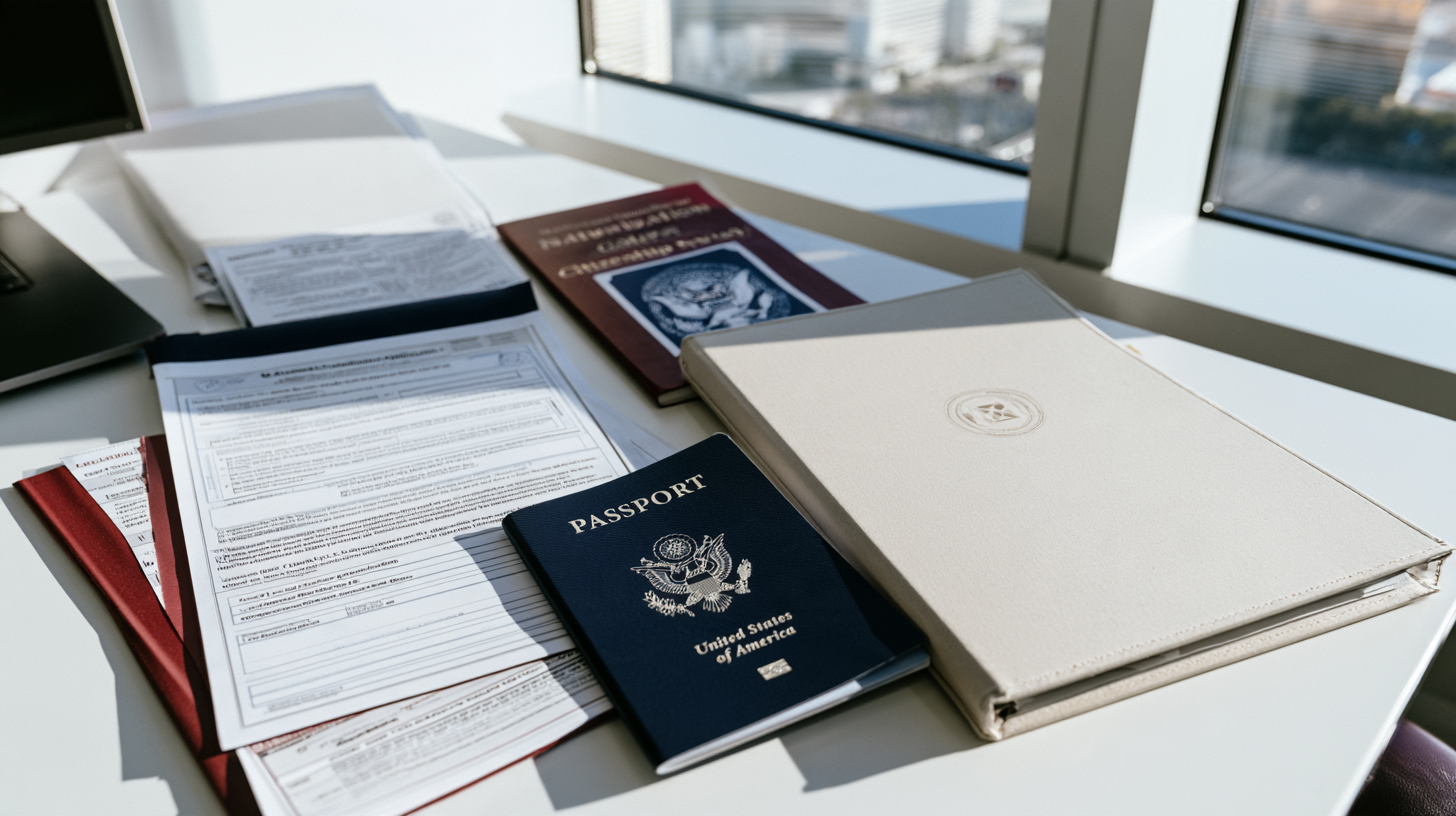
A person may file a record sealing request without a lawyer. Nevada courts and local agencies often provide forms, instructions, and filing procedures for people who want to handle the process themselves.
Clark County, for example, provides access to record sealing forms such as a petition, affidavit, and order, and directs users to different forms depending on whether the filing belongs in District Court or Justice Court.
The challenge is that having access to forms does not always mean the case is simple. A person must still know which court has jurisdiction, which arrests belong in the filing, which agencies must be named, whether the offense is eligible, and whether the required waiting period has passed.

When Handling Record Sealing Alone May Be Reasonable
Handling record sealing alone may be more realistic when the case is straightforward. This can include certain dismissed charges, a single arrest record, a simple case history, or certain non-conviction records where there was no conviction and no complicated multi-court history.
Nevada law allows people to petition to seal records after dismissal, declined prosecution, or acquittal, subject to statutory requirements and exceptions.
Even then, the person must make sure the record is complete. If the filing omits the arresting agency, uses the wrong case number, fails to include the final disposition, or leaves out related court records, the process can slow down.
Why Filing Alone Can Slow the Process Down
The most common delay comes from incomplete or inaccurate documents. A record sealing petition must identify the defendant, the charges, the arrest date, the final result, the court, and the agencies that hold records.
If those details are wrong, the judge may not be able to sign the order. Prosecutors may also object, ask for corrections, or request more information before agreeing to the sealing.
Another delay happens when people file in the wrong court. Nevada record sealing depends on the court system involved, the county, and the type of case. A filing connected to adult criminal records in one district may not work for records in a different jurisdiction.
Eligibility Is Where Many DIY Record Sealing Filings Get Stuck
Eligibility is often the hardest part of the process. A person may think they are eligible because the case is old, but Nevada record sealing depends on the offense type, case outcome, waiting period, and whether the person has completed the sentence.
Some offenses are excluded from sealing. Nevada law generally prohibits sealing certain convictions, including specific crimes involving children, sexual offenses, felony DUI-related convictions, and other disqualifying categories under the statute.
This matters for cases involving child abuse, domestic violence, certain drug convictions, a felony conviction, or other serious crimes. Some offenses may be eligible after time passes, while others may not qualify at all.
Waiting Period Mistakes Can Delay an Otherwise Eligible Record
The waiting period is one of the most important parts of record sealing. The clock does not always run from the day a person was arrested. In many conviction cases, timing may depend on when the person is released from custody, discharged from probation or parole, or otherwise completes the sentence.
If the petition is filed too early, the court may reject it, delay it, or require the person to file again later. This can waste fees, time, and emotional energy.
A careful review should happen before filing. The right question is not only whether the person wants relief, but whether the record is legally ready to be sealed now.

Record Sealing Is Not Automatic Expungement or a Clean Slate Shortcut
Many people search for automatic expungement, expunged records, or the clean slate initiative because they have seen those terms used in other states. Some states have different systems, and online content may reference Colorado law or another jurisdiction.
Nevada has its own record sealing rules. A person should not assume that content about automatic expungement, nonconviction records, or clean slate laws in another state applies to Nevada.
In Nevada, the person generally must file the proper request, satisfy eligibility, and obtain a court order before the covered record is sealed. That is why state-specific guidance matters.
What Happens After a Conviction Is Sealed
When a conviction sealed order is granted, the record is generally restricted from ordinary public access. This can help people pursue secure housing, better job options, and expanded educational opportunities.
A sealed record can also reduce the stress of explaining the past again and again. For many people, the benefit is not only practical, but emotional.
Still, sealing does not always mean every private database updates immediately. Some background check companies may need time to refresh their data, and some official agencies may retain access for limited purposes.
Why an Attorney Can Help Protect the Process
A Nevada record sealing attorney can review the person’s full criminal history, identify eligible offenses, locate missing records, confirm the waiting period, prepare the petition, and reduce the risk of avoidable delay.
This is especially important when the person has multiple arrests, more than one misdemeanor, a felony conviction, dismissed charges, old cases, probation history, or records across different courts.
An attorney can also help when prosecutors question the request, when a hearing is scheduled, or when the person is unsure whether the case qualifies under current Nevada law.
The Real Question Is Not Whether You Can File Alone, But Whether You Should
The better question is not simply whether you are allowed to file alone. The better question is whether filing alone will protect your time, your eligibility, and your chance of getting the record sealed correctly.
For simple cases, self-filing may be possible. For more complicated adult criminal records, a lawyer may help prevent delays that cost far more than the initial legal guidance.
The key takeaway is simple: record sealing can be life-changing, but the process rewards accuracy. The more complicated your criminal history is, the more important it becomes to file carefully from the beginning.

FAQ
Can I seal my criminal record in Nevada without a lawyer?
Yes, some people can file a Nevada record sealing petition without a lawyer, especially in simple dismissed or non-conviction cases. However, mistakes with eligibility, court jurisdiction, waiting periods, or missing records can slow the process down and may require corrections or refiling.
How do I know if my criminal record is eligible for sealing?
Eligibility depends on the type of offense, whether you were convicted, whether the case was dismissed, whether the waiting period has passed, and whether the offense is excluded under Nevada law. A review of your complete criminal history is usually necessary before filing.
How long is the waiting period for record sealing in Nevada?
The waiting period depends on the conviction level, offense type, and case outcome. Some dismissed cases may be eligible sooner, while certain convictions require years after completion of the sentence, probation, or parole before a petition can be filed.
Are record sealing and expungement the same thing in Nevada?
No, in Nevada, the usual process is record sealing, not expungement. Sealing restricts public access to eligible records, while expungement is often used in other states to describe destroying or erasing records.
Can all convictions be sealed in Nevada?
Some convictions cannot be sealed under Nevada law, including certain serious offenses and disqualifying crimes. Other convictions may qualify only after the required waiting period and after the person meets all legal requirements.
Conclusion
You may be able to handle record sealing alone, but the decision should be made carefully. Nevada record sealing is not just paperwork. It is a legal process that requires accurate records, correct court filings, proper jurisdiction, complete agency information, and a clear understanding of eligibility.
For people with a simple dismissed case, self-filing may be manageable. For people with convictions, multiple arrests, probation history, older records, or uncertainty about whether they qualify, professional guidance can help avoid delays and protect the opportunity for relief.
A sealed record can help open the door to better employment, housing, education, and peace of mind. Contact Record Sealing Nevada to schedule a confidential consultation with a Nevada record sealing attorney and get personalized guidance for your specific criminal record, eligibility timeline, and next steps.