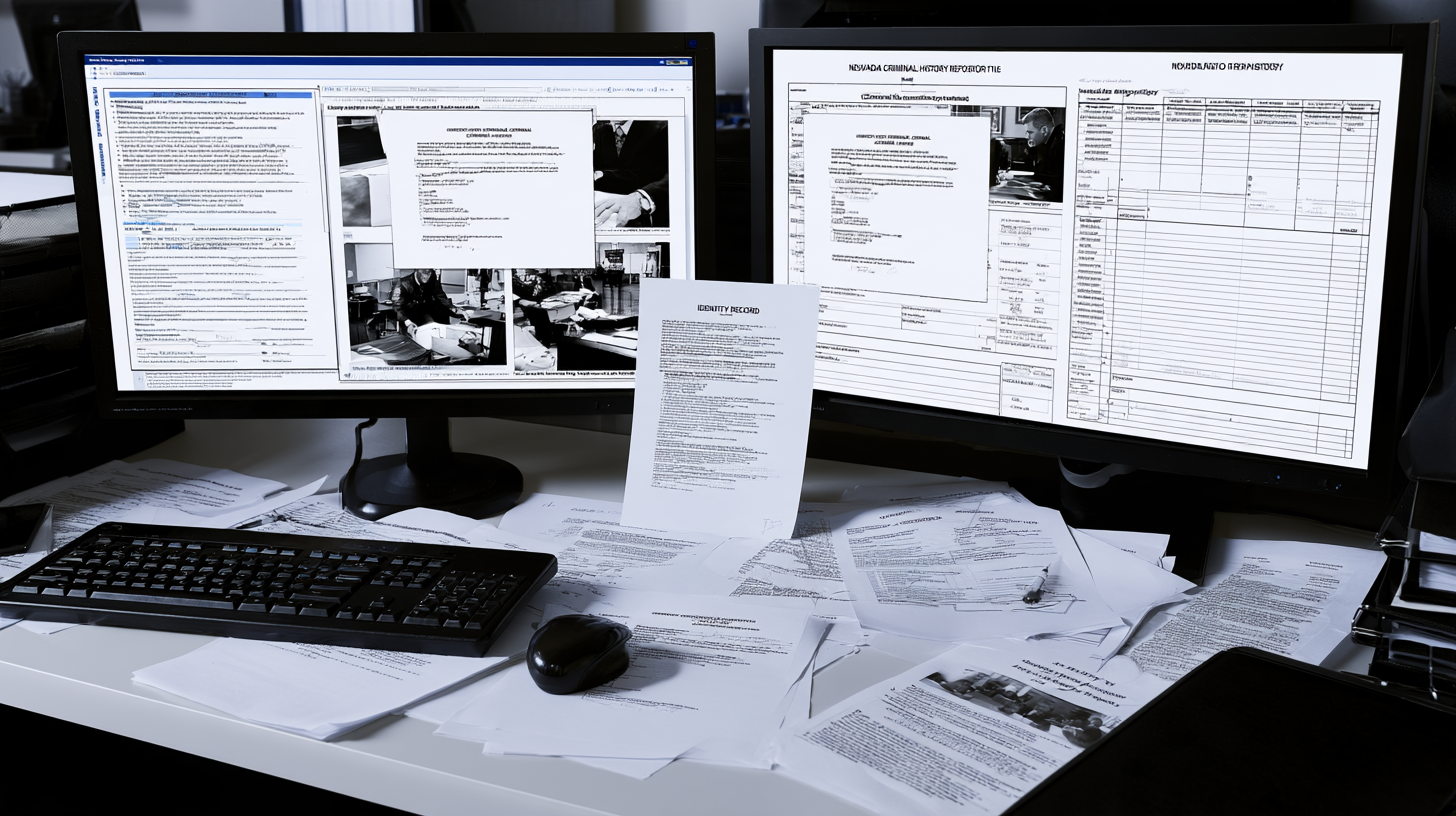
Before a record sealing petition reaches a Nevada court, the underlying records need to be pulled, reviewed, and confirmed for accuracy. Many people focus only on the SCOPE report, which can help show what appears in a court-level criminal history review. However, there is another important document that can affect the process: the Nevada Criminal History Repository report issued by the Nevada Department of Public Safety.
These documents are not always the same. They may serve different purposes, contain different information, and reveal different problems. An error on one report may not appear on the other. Understanding what the DPS Criminal History Repository report contains, how to read it, and how to correct mistakes before filing can help prevent court delays.
For people preparing for record sealing in Nevada, this step matters. A missing disposition, wrong charge classification, incorrect probation date, or a record that belongs to someone else can create avoidable problems. A careful review before filing can make the difference between a petition that moves smoothly and one that stalls.
What the Nevada Criminal History Repository Is
The Nevada Criminal History Repository is maintained by the Nevada Department of Public Safety Records, Communications and Compliance Division. It functions as the state’s central database for criminal history records submitted by law enforcement agencies, courts, prosecutors, and other authorized entities.
The repository may include information from different stages of a criminal case. That can include arrest information, charges, court dispositions, custody records, supervision records, and related agency submissions. A person with cases in more than one Nevada jurisdiction may see records from multiple counties reflected in one state-level report.
This is why the report matters before filing a sealing petition. A person may think they only have one Clark County case, only to discover an older Washoe County entry, a rural Nevada arrest, or a missing disposition that was never properly updated.
The Nevada SCOPE report can be useful for court-level review, but the DPS report gives a broader state-level view. Comparing both reports helps identify gaps before they become problems in a Nevada record sealing petition.

Why the DPS Report Matters Before Record Sealing
A complete record sealing petition depends on accurate criminal history information. Courts and prosecutors review eligibility, waiting periods, dispositions, and case history before deciding whether the petition should be granted.
If the Nevada DPS report shows incorrect information, the record may appear ineligible even when the person actually qualifies. A charge that was reduced may still appear as a higher offense. A dismissed case may appear pending. A probation discharge date may be wrong. A missing court disposition may make it look like the case never closed.
These errors can affect the sealing process because waiting periods often depend on the final disposition and the date the case closed. If the report is wrong, the petition may face questions, delays, objections, or a continuance.
Reviewing the report before filing gives the petitioner time to fix those issues. It is usually easier to correct the record before the petition is filed than to explain the problem after the court or prosecutor has already flagged it.
How to Request Your Nevada Criminal History Report
Nevada residents may request their own Nevada criminal history record from the Department of Public Safety. This is commonly referred to as a personal review request. Nevada DPS provides a process for people who want to review their own criminal history information.
A typical request requires a completed request form or online request process, identity information, fingerprints, and payment of the applicable fee. Fingerprints are used to confirm identity before the report is released. Fees and submission procedures can change, so applicants should confirm current requirements directly with Nevada DPS before submitting a request.
Because processing can take time, it is wise to request the report early. People preparing to file a record sealing petition in Nevada should consider requesting the DPS report and SCOPE report around the same time. Waiting for one before requesting the other can create unnecessary delays.
A person who is working toward a specific deadline, such as a job application, housing opportunity, professional license, or school program, should build extra time into the process. Record review, corrections, court filing, and agency updates can all take longer than expected.
Personal Identifiers on the Report
The first section of a Nevada Criminal History Repository report usually includes personal identifiers. These may include the person’s name, date of birth, aliases, identifying numbers, and other basic information used to match records.
This section may seem simple, but it matters. A wrong name, misspelled alias, incorrect birth date, or identity mismatch can create confusion during the sealing process. Even small discrepancies can cause the court, prosecutor, or agency to ask for clarification.
A person should compare the report against current legal identification, prior names, and any aliases that may have appeared in older cases. This is especially important for people who changed names after marriage, divorce, immigration proceedings, or other legal events.
If the report includes a name the person does not recognize, or if the identifiers appear to connect the person to a case that is not theirs, that should be investigated before filing. Identity-based errors can be serious and should not be ignored.
Arrest Segments and Booking Information
An arrest segment usually reflects information submitted after a person was arrested or booked. It may include the arrest date, arresting agency, location, booking information, and the charge or charges listed at the time of arrest.
Arrest information does not always match the final case outcome. A person may have been arrested for one charge, but later convicted of a reduced charge. A case may have been dismissed. The prosecutor may have declined to file. The arrest may still appear in the report until it is sealed, even if there was no conviction.
This is one reason people should not panic when the arrest segment looks more serious than the outcome. The important question is whether the court segment and disposition correctly show what happened later.
For Nevada record sealing eligibility, the final disposition often matters more than the initial arrest label. Still, inaccurate arrest information can create confusion, especially if it is not connected properly to the court outcome.

Court Segments and Final Dispositions
The court segment is one of the most important parts of the DPS report. It should show the charges filed in court, the court of jurisdiction, the case number, and the final disposition.
A final disposition may show conviction, dismissal, acquittal, deferred adjudication, or another case outcome. This section should reflect what actually happened in court, not only what was listed at booking.
If a charge was amended, reduced, dismissed, or resolved through a plea agreement, the report should accurately show the final result. A mismatch between the court record and DPS report can cause problems because the sealing waiting period may depend on the final conviction category.
For example, if a felony was reduced to a misdemeanor, but the DPS report still makes the case look like a felony conviction, the record may appear to require a longer waiting period than Nevada law actually requires. That kind of mistake should be corrected before filing.
Custody, Probation, and Supervision Dates
The DPS report may also include information about custody, probation, parole, or supervision. These dates matter because waiting periods for record sealing after conviction can depend on when the person was released from custody, discharged from probation, or otherwise completed the case.
If the report shows a probation discharge date that is later than the actual discharge, the person may appear ineligible even after the real waiting period has passed. If the report shows a date that is too early, the petition may be filed before the legal waiting period is complete.
Both errors can create risk. A petition filed too early may be denied or dismissed. A petition delayed because of a wrong date can cost the petitioner time and opportunity.
People should compare the DPS report against court minutes, probation discharge paperwork, judgment of conviction, sentence documents, and any release records. If the dates do not match, the discrepancy should be addressed before filing the sealing petition.
Missing Dispositions and Incomplete Records
One common issue in Nevada criminal history reports is a missing disposition. This happens when an arrest appears in the report, but the corresponding court outcome is missing, incomplete, or not linked correctly.
A missing disposition does not necessarily mean the case is still pending. It may mean the court, prosecutor, or agency did not properly transmit the final result to DPS, or that the record was not matched correctly.
This issue matters because a court reviewing a sealing petition needs to know what happened to the case. Was it dismissed? Was there a conviction? Was the charge reduced? Was the person acquitted? Without that information, eligibility may be unclear.
A missing disposition should be corrected before filing whenever possible. The person may need to obtain certified court records showing the outcome and submit them through the DPS correction process.
Errors That Can Delay a Sealing Petition
Not every error will stop a sealing petition, but some errors are important enough to address before filing. Material errors can affect eligibility, waiting period calculations, notice requirements, and how the prosecutor evaluates the petition.
A wrong charge classification is one of the most common problems. If a reduced misdemeanor still appears as a felony, the report may suggest the wrong waiting period. An incorrect final disposition can create similar issues. A dismissed case listed as pending or a conviction listed incorrectly may trigger questions.
Incorrect custody, parole, or probation dates can also create problems. Since waiting periods often depend on case completion, the wrong date can make the petition appear premature or delayed.
Another serious issue is a record belonging to someone else. If the report includes a case the person does not recognize, the issue should be investigated immediately. Identity-based errors can affect sealing, licensing, employment, housing, and other background check situations.
How to Request a Correction From DPS
If the report contains inaccurate or incomplete information, Nevada law provides a way to challenge or correct criminal history records. The process generally involves identifying the error, gathering proof, and submitting a written correction request to DPS.
Start by documenting the problem. Compare the DPS report against certified court records, plea agreements, judgments, sentencing documents, discharge paperwork, and dismissal orders. The correction request should identify the exact entry that is wrong and explain what the correct information should be.
Supporting documents are essential. DPS generally needs reliable source records before it can update a criminal history entry. If the court record shows a dismissal but the DPS report shows the case as pending, attach the certified dismissal or court minutes.
The correction process can take time. People should not wait until the week before filing a petition to start correcting errors. Building in extra time can help avoid a court delay, a prosecutor’s objection, or the need to continue the hearing.
Confirming the Updated Report
After DPS corrects a record, the person should confirm that the update appears correctly. Do not assume the correction was applied exactly as requested without reviewing the updated report.
A fresh copy of the DPS Criminal History Repository report can show whether the corrected charge, disposition, date, or identity information now appears properly. If the report still contains the same error, additional follow-up may be needed.
This confirmation step is important because the sealing petition should be based on accurate records. Filing with an outdated report can create avoidable confusion.
If a person is represented by an attorney, the attorney can review the corrected report and compare it against the SCOPE report and court records before filing. If the person is handling the process alone, they should still compare the documents carefully and keep copies of every correction request and response.
How the DPS Report Fits Into the Full Sealing Process
The DPS report is one part of a complete Nevada record sealing strategy. It does not replace the SCOPE report, court records, or the petition itself. Instead, it helps confirm that the state-level criminal history information is accurate before the case goes to court.
A strong record sealing package should identify the correct cases, confirm eligibility, calculate waiting periods, list all agencies that need notice, and include documents that support the petition. If the DPS report and SCOPE report do not match, those differences should be addressed before filing.
Many attorneys who handle record sealing in Nevada pull both reports, compare them for discrepancies, and correct problems before filing. People handling the process without an attorney should follow a similar review process.
The costs involved in this stage, including fingerprinting, report fees, and document retrieval, are part of the overall cost of record sealing in Nevada. They may not be the largest expenses in the process, but they should be planned for early.

FAQ
What is a Nevada Criminal History Repository report?
A Nevada Criminal History Repository report is a state-level criminal history report maintained by the Nevada DPS. It may include arrest information, court dispositions, custody records, supervision dates, and other criminal history data submitted by Nevada agencies.
Is a DPS report the same as a SCOPE report?
No. A DPS report and a SCOPE report are not always the same. A SCOPE report can help show court-level criminal history information, while the DPS report reflects state-level records submitted to the Nevada Criminal History Repository.
Should I correct my DPS report before filing for record sealing?
Yes, if the report contains material errors. Missing dispositions, wrong charge classifications, incorrect probation dates, or records that do not belong to you can delay or complicate a record sealing petition.
Conclusion
Reading a DPS Criminal History Repository report and identifying errors that can disrupt a sealing petition takes time and attention. Many people find it difficult to interpret report fields without knowing what courts and prosecutors may review during the sealing process.
Record Sealing Nevada reviews both the DPS report and the SCOPE report as part of the case evaluation. If your report contains errors, missing dispositions, misclassified charges, incorrect dates, or records that do not belong to you, the team can help identify the issue and explain the correction process before filing.
Take the first step toward a fresh start. Schedule a free consultation with Record Sealing Nevada to review your record, understand your options, and prepare your petition with confidence.
This article is for informational purposes only and does not constitute legal advice. Consult a qualified Nevada attorney for guidance specific to your situation.