Being involved in a domestic violence case can carry lasting consequences—even after the matter is resolved. In Nevada, individuals who were accused of domestic violence, or had a restraining order filed against them, may face ongoing difficulties in employment, housing, or professional licensing. Even if charges were dismissed or the restraining order expired, the incident often remains part of your criminal history, visible to employers and the public. Fortunately, Nevada law provides a path to a clean slate through the record sealing process.
This comprehensive guide explains how sealing domestic violence restraining order records works in Nevada, who qualifies under the Nevada Revised Statutes, and how a skilled attorney can help restore your privacy and reputation.
Understanding Domestic Violence Restraining Order Records
In Nevada, restraining orders related to domestic violence are often issued in response to alleged abuse, harassment, or threats between individuals in an intimate or family relationship. These orders—sometimes called temporary or extended protective orders—are civil in nature but can appear in criminal records if they involve an associated criminal charge such as battery constituting domestic violence or violation of a court order.
Even when no conviction occurs, a record of the arrest, court hearing, or protection order may still be available to the public. These records are stored by the district court, justice court, or municipal court, depending on where the case originated. The purpose of record sealing is to prevent such records from being viewed by employers, landlords, or background check companies while maintaining limited access for law enforcement agencies and the courts.

When Domestic Violence Records Can Be Sealed
Not all domestic violence cases are eligible for sealing. Under Nevada law, records from a domestic violence conviction—especially felony domestic violence—cannot be sealed except under very limited circumstances. However, if your case was dismissed, you were acquitted, or a restraining order was issued but later expired or denied, you may qualify to seal your record immediately after the case closes.
For misdemeanor convictions involving domestic disputes, a waiting period applies. Typically, you must wait seven years from the date of case closure or completion of probation, whichever occurs later. During this time, you must avoid any new criminal charges or violations of court orders.
If the offense involved substantial bodily harm, use of a deadly weapon, or any sexual offenses, it may be permanently ineligible for sealing. In those cases, only a pardon from the Nevada Board of Pardons Commissioners can restore rights or limit public access to those records.
The Record Sealing Process
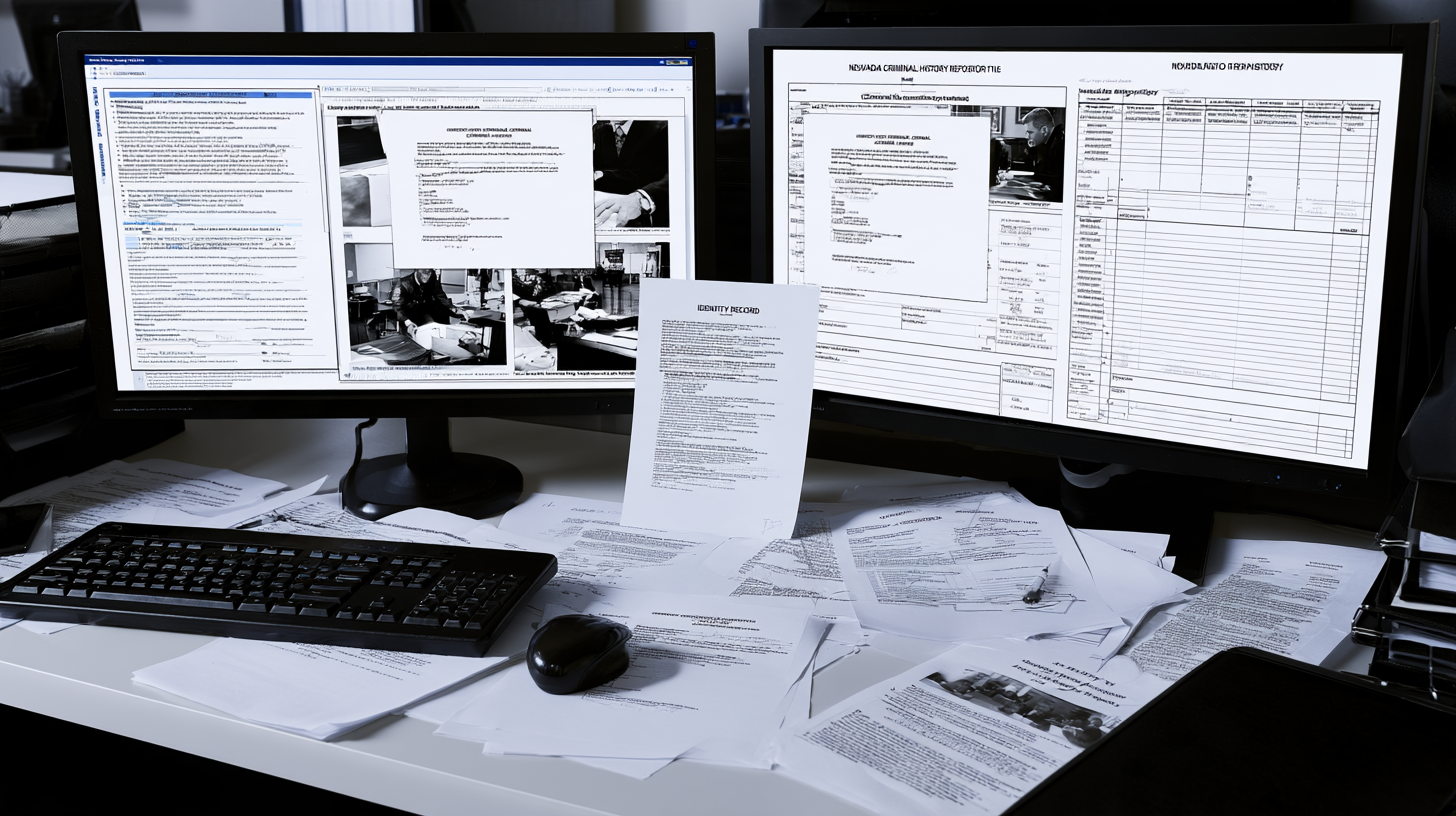
The record sealing process begins with obtaining your official criminal history report from the Nevada Department of Public Safety. This report confirms whether you have a criminal conviction, arrest record, or restraining order on file. Once verified, your attorney prepares a petition to seal records, citing the specific statutes under the Nevada Revised Statutes (NRS 179.245–NRS 179.255) that apply to your case.
The petition is filed in the same district court or justice court that handled the original case—such as Clark County, Carson City, or Las Vegas. The district attorney reviews your request and either approves or contests it. If the petition meets the eligibility requirements, the court schedules a hearing, where a judge determines whether sealing serves the interests of justice and public safety.
Once approved, the order to seal records is signed and distributed to relevant law enforcement agencies and government departments. After processing, your record is officially sealed from public access, meaning employers, landlords, and most background check services can no longer view it.
Eligibility Requirements and Limitations
The eligibility for sealing domestic violence restraining order records depends on several factors, including the outcome of the original case and whether a criminal conviction was entered. If the case resulted in dismissal, acquittal, or expiration of the order without violation, you may petition for sealing immediately.
If you were convicted of battery domestic violence, you must wait at least seven years after completing all terms of your sentence, probation, or parole. The court will also review your overall criminal history, ensuring that you have demonstrated rehabilitation and that sealing the record does not endanger public safety.
Importantly, Nevada does not offer expungement, meaning the record isn’t destroyed—it’s simply restricted from public view. The record remains accessible to certain government entities, such as prosecutors, courts, and law enforcement for limited statutory purposes.

Why Record Sealing Matters
Even without a conviction, a domestic violence arrest or restraining order can have severe implications for your personal and professional life. Employers, licensing agencies, and even landlords often misinterpret these records, assuming guilt where none exists.
Sealing your record not only restores your privacy but also helps you regain lost opportunities. It allows you to legally state that you have no criminal record when applying for jobs or housing, except when seeking certain government or law enforcement positions. For many, this process represents the first real step toward rebuilding trust, stability, and peace of mind.
How a Nevada Attorney Can Help
Because domestic violence cases are treated seriously under Nevada law, the record sealing process must be handled carefully. A skilled defense attorney will review your criminal history, determine eligibility under the correct statutes, and ensure that your petition is properly drafted and filed.
An attorney can also appear at the court hearing, argue for your rehabilitation, and address any concerns raised by the district attorney. Working with an experienced legal professional increases your chances of approval and ensures that all agencies comply with the final court order to seal your record.
FAQ
Can I seal a domestic violence restraining order if it was dismissed?
Yes. If the restraining order was dismissed, denied, or expired without violations, you can petition the court to seal your record immediately.
How long must I wait to seal a domestic violence conviction?
You must generally wait seven years after completing your sentence or probation before applying to seal a domestic violence conviction.
Will my record be deleted after sealing?
No. Nevada does not allow expungement. Your record is sealed—removed from public view but still accessible to courts and law enforcement.
Can sealing help with employment background checks?
Yes. Once sealed, your record will no longer appear in standard background checks, allowing you to legally state that you have no criminal record.

Conclusion: Take Control of Your Record and Your Future
A past domestic violence restraining order should not define your life forever. If your case was dismissed, resolved, or resulted in a minor misdemeanor, you may be eligible to seal your record and move forward with confidence. Nevada’s record sealing process provides a pathway to a fresh start—one that protects your reputation, restores your rights, and helps you rebuild your future.
At Record Sealing, we assist clients across Las Vegas, Clark County, and throughout Nevada with record sealing for domestic violence-related cases. Our team will handle the entire process, from reviewing your criminal record to securing final court approval.
Contact us today for a confidential consultation and take the first step toward clearing your name and reclaiming your peace of mind.