A closed case should feel like a chapter you have already finished. But many people in Las Vegas, North Las Vegas, and across Clark County discover that a closed matter still appears in public records, online searches, and background checks. That moment can be humiliating, confusing, and deeply discouraging—especially when you have been doing everything right since the case ended.
At Record Sealing Nevada, we focus exclusively on criminal record sealing and criminal record relief under Nevada law. We see the real-world consequences of outdated or incomplete criminal history reporting: lost job opportunities, stalled housing applications, and unnecessary fear during professional review. When a “closed” case keeps resurfacing, it is rarely because the system is being fair. It is usually because the record exists in multiple places, under multiple rules, and it takes action to change what others can see.
If you are searching for when a closed criminal case still shows up in Nevada public records, you are likely looking for one thing: a clear path forward. The right next steps depend on what type of record is appearing, which agency holds it, and whether you qualify to seal records pursuant to NRS record-sealing statutes.
Why “Closed” Does Not Mean “Gone” in Nevada Criminal Records
A case can be closed in court and remain visible as a criminal history record. Closure simply means the court is no longer actively processing the case. It does not mean the record was erased, corrected, or restricted from public access.
In Nevada, your history can be stored as court records, an official criminal history report, and separate law enforcement files. Each system can update on its own schedule, and some systems do not update unless the proper paperwork is filed and processed.
That is why a closed case can show up years later in Nevada records searches and screening reports. The “case status” and the “public visibility of the record” are two very different issues.
How Criminal History Spreads Across Agencies and Databases
Many people assume there is one master file. In reality, criminal records often exist in multiple government agencies and vendor databases at the same time. A record can be accurate in one place and outdated somewhere else.
A closed case can appear because a database imported an older entry and never refreshed it. It can also appear because a local agency report is missing the final disposition, making the case look unresolved. When these copies circulate, the record can keep resurfacing even after you believe everything is finished. The solution is not guesswork. It is a structured process that identifies the source and applies the correct legal remedy.
The Department of Public Safety and Official Criminal History Reports
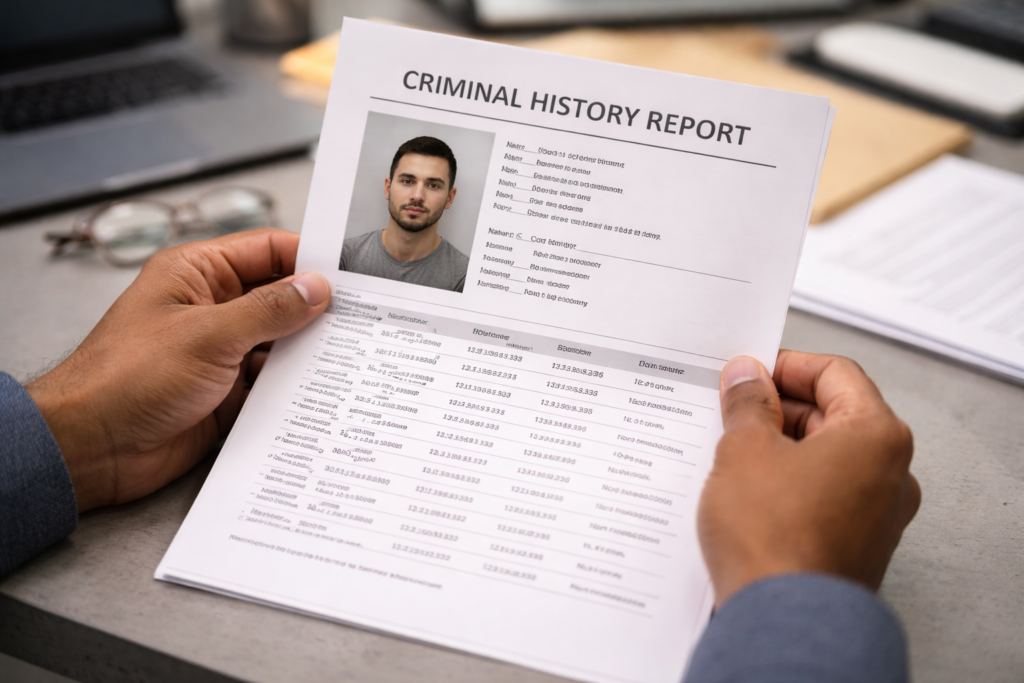
Nevada’s Department of Public Safety maintains the Central Repository for Nevada Records of Criminal History, which is typically the starting point for an official criminal history report. That report often becomes the reference point for other systems, including some background screening tools.
If the state record is missing information, the missing piece can echo across other systems. If the record is correct, but a private database is wrong, the state record can help you prove the error. Because record sealing petitions often require a current, verified criminal history record, this state-level report is more than informational. It can be essential to the record sealing process.
Las Vegas Metropolitan Police and Local SCOPE Reports
For people with arrests handled by the las vegas metropolitan police and the vegas metropolitan police department, local records can matter. A local agency report can show details that do not appear clearly in a state summary.
Local reports can also reveal where a disposition is missing, which helps explain why a closed case still looks open in some systems. When a database lacks an outcome, it can trigger unnecessary concern in the hiring process. This is why identifying the correct law enforcement agency is often part of the next-step strategy. It is not about reliving the past. It is about correcting the data that keeps following you.
Why Background Checks Still Flag Closed Cases
Background checks are not always pulling live court data. Many vendors store a snapshot and reuse it, which can create the appearance of a permanent record even when the underlying case has changed.
Some checks are built around fast matching and can confuse people with similar names or identifiers. Others pull partial entries from multiple jurisdictions and merge them into one record. When that happens, even a closed Nevada case can look active or unresolved.
For employers and professional reviewers, a “flagged” case can be enough to slow or stop a decision. That is why your next steps should focus on accuracy, documentation, and legal tools that restrict access going forward.
Public Records vs. Court Records
A public safety narrative often drives how records are displayed online. Many systems show charges quickly but are slower to show outcomes, dismissals, or reductions. That imbalance can distort how a case is perceived.
A court file can contain critical context, including the final disposition and sentencing history. Online portals and third-party databases often do not present those details cleanly.
If you are being judged on a simplified record, you are not being judged on the full truth. The goal is to bring the process back to accurate court records and then, when eligible, pursue sealing of records to reduce future exposure.

Nevada Record Sealing Statutes and What They Do
Nevada generally relies on record sealing, not traditional expungement. That distinction matters because the record is not “destroyed,” but access is legally restricted in most routine contexts. Sealing is governed primarily by statutes such as NRS 179.245 for sealing after a criminal conviction and NRS 179.255 for sealing after dismissal, declined prosecution, or acquittal. The legal pathway depends on how your case ended, not just what you were charged with.
A sealing order can change what is available through standard searches and routine screening pulls. It can also give you leverage when an outdated database keeps republishing information that should no longer be readily accessible.
Record Sealing vs. Expungement in Nevada
Many people search for “expungement,” but Nevada’s remedy is record sealing. Record sealing vs expungement matters because sealing is about restricting access, not rewriting history.
The practical benefit is often the same goal: reducing barriers to work, housing, and peace of mind. But the legal method is different, and the paperwork must match Nevada’s statutory requirements. If your objective is to stop a closed case from resurfacing, sealing is often the most durable option available under Nevada law.
Eligibility: Convictions vs. Dismissed Cases
The first eligibility question is whether you have a conviction record. A conviction triggers statutory waiting periods and category-based timelines that differ for felonies, gross misdemeanors, and misdemeanors.
If you have dismissed cases, you may have a different pathway under NRS 179.255. Many people assume dismissal automatically clears the record. In Nevada, it often does not happen without a petition and court order. This is why “closed” is not enough. Eligibility must be matched to the disposition, then the appropriate petition must be filed in the correct jurisdiction.
When the Waiting Period Begins for Record Sealing
The waiting period is not always counted from the arrest date. In many conviction cases, the waiting period begins after release from actual custody or after discharge from probation or parole, and sometimes after you are no longer under a suspended sentence—depending on the statute and case type.
If you file too early, you risk denial or delay. If you wait too long, you may lose opportunities unnecessarily. Timing is not a technicality; it is the gateway to relief. The right approach is to verify the case closure dates and supervision status, then calculate the required waiting period based on the offense category.
Offense Categories That Affect Record Sealing
Not every offense is treated the same. Some categories carry longer timelines. Some can be excluded from sealing or restricted to very limited circumstances.
People often worry about sexual offenses, sex crimes, and sexual assault allegations. These matters require careful statute-specific analysis because eligibility can vary, and the consequences of filing incorrectly can be serious. If your case involves a deadly weapon, domestic violence, or other sensitive charges, you should assume the analysis will be more complex than a standard petition.
Felony Categories and Record Sealing Eligibility
Felony sealing often depends on the felony category, such as a Category E felony. The category can affect the statutory waiting period and the court’s review framework.
A record might be labeled as a felony in informal summaries, but what matters is the statute of conviction and its classification under Nevada law. That classification must be handled precisely in the petition. When people have multiple convictions, the timeline and strategy can become layered. The goal is still relief, but the approach must be designed to avoid gaps that keep records visible.
Felony DUI and Record Sealing Rules
A felony DUI and felony DUI convictions can carry special rules and longer timelines. These cases also tend to draw heightened attention in screening contexts because of perceived risk.
If a DUI-related case is closed but still appearing, you need to confirm whether the record is being reported as a charge, a conviction, or an incomplete entry. The remedy may differ depending on that classification. This is where a careful record review saves time. It identifies whether the record is eligible for sealing now or whether you must wait for the statute-based clock to run.

Choosing the Correct Court for a Sealing Petition
A sealing petition must be filed in the appropriate court where the case was handled. That can include justice court, municipal court, or district court, depending on the case.
In Clark County matters, coordination with the court clerk and the correct filing division is often essential. Filing in the wrong place can delay the entire process even when you are fully eligible. If a case crossed jurisdictions or involved multiple courts, the analysis must map each event to the correct filing venue.
Federal Court Records and Sealing Differences
If your matter were in federal court, the rules and procedures would differ. Federal sealing is not the same as Nevada state sealing statutes, and federal relief can be limited.
Sometimes a person has both state and federal events in their history. That does not mean you have no options. It means your plan must separate what Nevada courts can seal from what a federal system controls. If a closed case still shows up and includes a federal component, the “next steps” should start with jurisdiction clarity before filing anything.
Who Must Be Notified in a Record Sealing Petition
Record sealing is not only about filing paperwork with a court. It often requires notice to the prosecuting attorney, the district attorney’s office, or the relevant prosecuting agency, depending on jurisdiction.
In Clark County cases, the district attorney’s role can include reviewing, stipulating, or responding to the petition. Missing an agency can cause delays or incomplete sealing.
This step matters because the court’s order must reach all relevant agencies that possess the record. If one agency is omitted, that agency may continue reporting the record.
The Record Sealing Process in Nevada
The record sealing process typically starts with gathering your current criminal history documentation, including a state repository report. Courts often require that the report confirm what must be sealed and which agencies hold the record.
Next comes preparing the record sealing petition, proposed order, and supporting documents. For some cases, a stipulation pathway may exist, but you should not assume that it is guaranteed.
Finally, the court reviews the submission, and if the court grants the petition, the court issues the sealing order, and the records are processed by agencies. Each step has opportunities for delay if the paperwork is incomplete.
Filing Fees, Delays, and Missing Information
A filing fee may apply depending on the court and the nature of the request. Fees can vary by jurisdiction and court type, which is why local procedure matters.
Delays are often caused by incomplete histories, missing case numbers, or missing agencies. If a record lacks final disposition information, the system can treat it as unresolved and slow the review. A careful preparation process reduces these risks. It ensures the court has what it needs to make a clean decision and issue a usable order.
How Record Sealing Changes Future Screening
After a case is sealed, access is restricted in most routine contexts, which can reduce the chance that a closed case appears in public-facing databases. That is the practical power of Nevada sealing.
But it is important to understand that there can be limited circumstances or certain circumstances where sealed records can still be accessed. Those circumstances can involve specific government functions, court-ordered access, or other lawful exceptions.
For most people, the core benefit is that routine employer screening and casual public searches are less likely to surface old matters. That shift can meaningfully change your daily life.

FAQ
How do I know when the waiting period begins for record sealing in Nevada?
In many conviction cases, the waiting period begins after release from actual custody or discharge from supervision, and the required waiting period depends on the offense category and statute pursuant to NRS sealing rules.
Are sexual offenses or felony DUI convictions disqualifying for Nevada record sealing?
Some sexual offenses, sex crimes, and felony DUI convictions can involve longer timelines, exclusions, or more restrictive rules, so eligibility must be matched to the exact statute and conviction category rather than assumptions based on charge labels.
What happens after the court grants my petition to seal records?
After the court grants the petition and the judge signs the court order, the order must be processed by relevant agencies and record custodians, and while routine access often decreases, updates can take time and, in some limited circumstances, can still allow lawful access.
Is record sealing the same as expungement in Nevada?
No—Nevada generally uses record sealing rather than expungement, meaning access is restricted rather than the record being erased, which is why sealing can reduce routine exposure while still leaving narrow lawful access in specific situations.
Conclusion
If you are facing a closed criminal case still showing up in Nevada public records, the most important truth is that closure is not the same as cleanup. A closed case can remain visible through court records, law enforcement repositories like the las vegas metropolitan police, and state-level systems such as the Department of Public Safety, especially when the final disposition is missing, or the record was never sealed.
The most effective next steps are grounded in Nevada’s statutes: identify the true source of the record, verify what the official criminal history report shows, calculate the waiting period correctly, and pursue record sealing through the appropriate court with notice to the correct agencies, including the district attorney’s office when required. For many people, sealing is the turning point that reduces routine access, improves screening outcomes, and helps them move beyond past mistakes without being re-punished by outdated systems.
This article is general information and does not create an attorney-client relationship. If you want real clarity—and a plan built for your specific record—schedule a confidential consultation with Record Sealing Nevada. Contact a Nevada record sealing attorney today to review your criminal history record, confirm eligibility pursuant to NRS, and get personalized guidance on the fastest, safest way to seal your record and reclaim your future.


