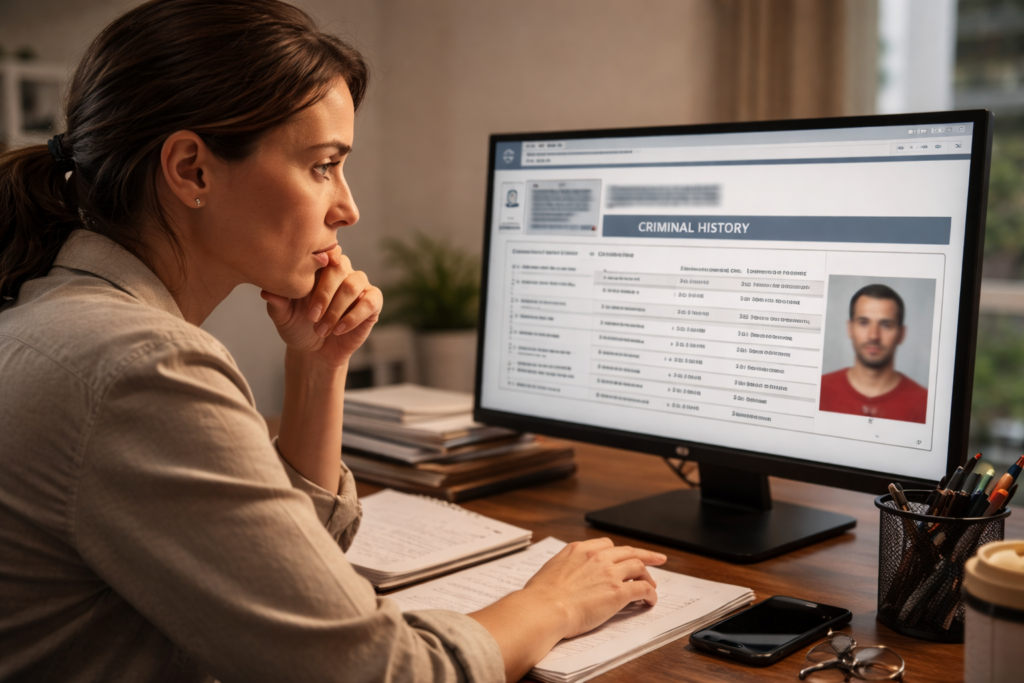
Online databases make it feel like the truth about your past is just one search away. But when it comes to Nevada criminal records, what shows up online is often not the actual records that exist today in a court file or at a courthouse counter. That gap can cost people jobs, housing, and peace of mind.
At Record Sealing Nevada, we focus on criminal history problems that follow people long after a case ends. When an online national database or national criminal databases report old information, it can distort an employer’s view of an applicant’s criminal history and create unfair hiring decisions.
If you are trying to move forward, you need two things: up-to-date information and a legal plan for criminal record relief. Understanding why outdated results happen is the first step toward stopping them.
What “Outdated” Means in Criminal Background Checks
Outdated does not always mean the case is decades old. It often means the online record is missing a dismissal, a reduction, a correction, or the final disposition stored at the county level in court records.
In the background checks world, outdated can also mean the record belongs to someone else. With common names, false positives happen when a system matches the wrong person and then repeats the error across multiple systems.
A third version is “incomplete.” The entry might show you were arrested, but it does not show what happened afterward. That incomplete picture is a serious risk in the hiring process, especially when employers rely on speed instead of verification.
The Copy-and-Paste Problem in National Criminal Databases
Many online providers are not pulling live data from every Nevada court every day. They often store snapshots, then resell them to other organizations, which creates delays and repeated mistakes.
A national criminal databases product may label itself reliable, but it can still have significant limitations. Nevada has many counties, and each county can have different systems, timelines, and update rules.
When data is copied and recirculated, “old” results can stay online even after the actual records have changed. That is why a single inaccurate entry can become a long-term problem.
County-Level Court Records and Fragmented Access
In Nevada, the most dependable source is still the county-level court records connected to the case. The challenge is that access to those records is not uniform across counties, and online portals can be incomplete.
Some databases scrape information from public-facing pages, but those pages may not display every update. Even when a portal has good security, it may not prioritize fast synchronization with third-party systems.
This fragmentation creates a practical reality: an online search can look “official” while still missing crucial updates. If the record affects your employment, you cannot assume the internet is giving you the full story.
Missing Dispositions and Incorrectly Flagged Results
A common example is a case where the charge appears online, but the dismissal or outcome does not. The database then treats the entry as unresolved, and you get incorrectly flagged during a screening process.
Another example is a case that appears in the wrong jurisdiction because the vendor merged data from many states. Once that happens, the error can spread to other online products that buy the same data.
These issues are not small. They can change the entire point of a report and create confusion that a candidate should not have to carry.
Why the Fair Credit Reporting Act Does Not Guarantee Accuracy
The Fair Credit Reporting Act and fcra regulations apply to many background screening companies. Those rules are designed to improve accurate reporting and require compliance steps when reports are used for employment.
Still, the FCRA is not a magic wand. A company can follow some procedures and still publish inaccurate or incomplete records, especially when it relies on stored data rather than updated court information.
This is why the strategy matters. You need to identify whether the report came from an FCRA-covered company, what sources it used, and whether it failed to provide up-to-date information.
Why Employers Often See Outdated Data
Many employers use screening tools that prioritize speed. During the hiring cycle, they want quick answers and may not realize the database has limitations.
That pressure can cause employers to rely on a report that was never properly verified against court records. When that happens, an applicant can lose a job opportunity even though the actual records tell a different story.
If you are a candidate facing this, the goal is not to argue with the employer emotionally. The goal is to bring the process back to verifiable sources and documented corrections.
How to Verify Nevada Criminal History
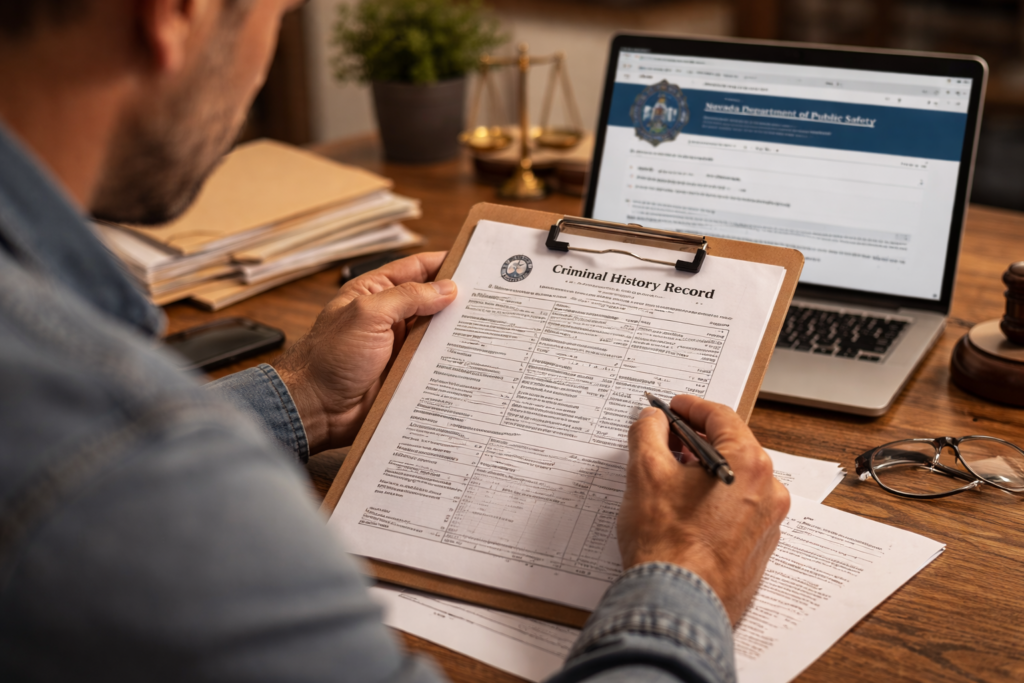
The most dependable way to verify a Nevada record is to compare what is online to the court file where the case was handled. That might mean checking the correct county courthouse or the appropriate department that maintains the record.
You also need to confirm identifiers and dates. A wrong date, a partial name match, or old address history can create cross-matches that lead to false positives.
Verification is not only about proving an entry is wrong. It is also about building a clean timeline you can use to fix reporting errors and plan record sealing when eligible.
How Record Sealing Limits Database Access
Record sealing is not just a privacy benefit. It is a legal change that can limit routine access to the underlying records through standard channels.
When records are sealed under Nevada laws, it becomes harder for databases to refresh and republish those entries from official sources. While old copies can sometimes remain online, sealing strengthens your position when you need to challenge continued reporting.
If your goal is long-term safety and stability in the screening environment, sealing is often the most durable solution because it addresses the root source.
What to Do if Outdated Databases Affect Hiring
If an outdated database result is interfering with the hiring process, treat it as a documentation problem, not a debate. You want to track what was reported, which organization produced it, and what evidence supports the correct outcome.
You also want to move quickly. Delays can cause repeated denials because the same stored record may be used again and again across different employers and portals.
Most importantly, do not guess about eligibility. A Nevada record sealing plan depends on the case outcome, the statute, and whether a program was completed or a matter remains incomplete.
FAQ
Why do online databases show outdated Nevada criminal records?
Online databases often store older snapshots of criminal records and do not consistently refresh from county-level court records, which creates delays, missing updates, and false positives—especially for people with common names.
Are national criminal databases reliable for Nevada background checks?
A national database can be helpful for speed, but it has significant limitations because Nevada has many counties and fragmented systems; without verifying the actual records at the courthouse, reports can be incomplete or inaccurate.
Does the Fair Credit Reporting Act stop employers from using outdated records?
The Fair Credit Reporting Act and fcra regulations require certain procedures and accuracy efforts in the screening process, but they do not guarantee up-to-date information, which is why verification and correction steps still matter.
Can record sealing prevent outdated information from appearing online?
Record sealing under Nevada law can restrict routine access to the underlying case and reduce future resurfacing from official sources, but older copies may persist until corrected—making sealing and targeted follow-up a powerful combined strategy.

Conclusion
If you are dealing with why online databases often display outdated Nevada criminal records, the core truth is that online results are not always the actual records that matter. The internet often reflects stored snapshots, fragmented county-level systems, and errors that create incorrectly flagged outcomes during background checks and the broader hiring and screening process.
Relief is possible when you approach the problem in the right order: verify the correct court records, document inaccuracies, understand how the Fair Credit Reporting Act applies, and evaluate record sealing for durable protection under Nevada laws. This article does not create an attorney-client relationship and is not legal advice, but you do not have to navigate this alone. To protect your opportunities and your future, schedule a confidential consultation with Record Sealing Nevada and contact a Nevada record sealing attorney for personalized guidance on your record and the best next step.


