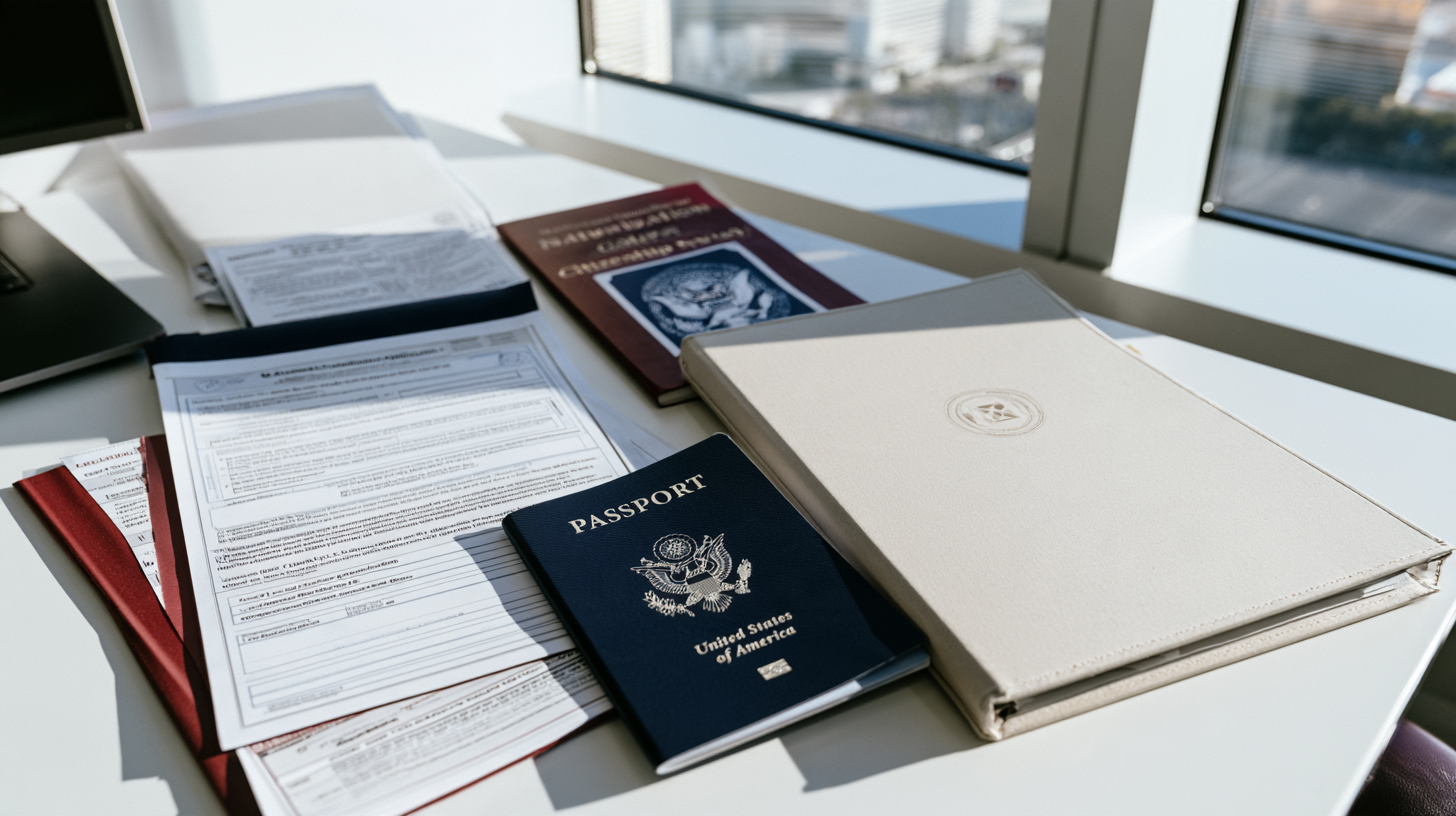
The letter arrives with a deadline on it. A licensing board, an immigration officer, a military recruiter, or a casino human resources department wants certified court records from the exact case you spent months and real money sealing. You call the clerk with your case number and hear that the file is closed at the public counter, with nothing in the online docket and nothing to hand across.
That moment lands hard, and many people read it as proof that sealing a criminal record backfired on them. It did not.The Nevada sealing order performed exactly as designed, closing your criminal case file to the public, to most employers, and to the commercial databases that had been repeating your history for years.
You are standing outside a door you used to be able to open, and Nevada law gives you a way back through it. The route runs through the same court that granted your petition to seal, and it ends with a judge’s signature. Until a judge signs, no clerk in Nevada releases a certified disposition to anyone, including the person named in the file, and learning that rule before you start saves a week of phone calls to offices that cannot help you.
Why a Successful Sealing Produces a Paperwork Wall
Record sealing pulls your case out of public view. It does not stop a federal agency, a state licensing board, or a foreign consulate from asking about the case anyway, because those requests reach you through channels sitting outside Nevada’s sealing process. The agency asking has usually learned about your case from a source your sealing order never touched.
Immigration triggers this more than anything else. Federal immigration authorities ask applicants for certified dispositions of every arrest, and they ask without regard to state sealing, which is why the firm treats sealing and immigration status as its own subject. A sealed record in Las Vegas does not close a federal background question at a consulate abroad.
Professional licensing boards create the second wave of these requests. Nursing, real estate, contracting, insurance, and gaming license applications ask for the outcome of any case you have ever disclosed, and many boards still hold a decade-old application where you listed the past charge yourself.
The board is not fishing for something new. It is reconciling its own file against yours, and the rules covering sealed records and professional licenses allow several Nevada boards to keep asking after a case is sealed. Federal employment, security clearance investigations, adoption home studies, and firearm purchase applications fill out the rest, each running its own check and some reaching federal databases a Nevada court order never touches.

Sealed Means Locked Rather Than Destroyed
Nevada does not offer expungement, and that single fact explains everything about this situation. No court in this state destroys a criminal case file, shreds an arrest report, or deletes an entry from a police database.
Under NRS 179.245 and NRS 179.255, the judge orders every agency holding your records to seal those records, and the proceedings are then treated as though they never occurred for most civil purposes. The paper and the data survive intact. What changes is who may open them.
Picture a vault rather than a fire. Your file moved off an open shelf into a locked drawer, and the court kept the key, while the clerk of court, the District Attorney, the arresting agency, and the state repository each held a sealed copy. None of them opens a copy on request, because releasing a sealed file without authority exposes that agency to liability, and the same rule that frustrates you at the counter is what makes an improper disclosure of a sealed record something you can act on.
Nevada statutes carve out narrow exceptions to that lock. Certain law enforcement functions, some criminal justice agencies, and a short list of licensing bodies retain access under defined circumstances, which is the ground covered in what police can see after a record is sealed. Your own right to reach the file is not one of those automatic exceptions, which is the counterintuitive part worth absorbing.
The mechanics after signing matter here as well. The clerk transmits the order to each agency named in it, and those agencies update their systems on their own schedules, which is why agencies have a defined window to update sealed records and why some people discover the gap only when they need a document in a hurry.
The Petition to Inspect Your Own Sealed Case
The provision is NRS 179.295, and its structure is narrower than most people assume. The person who is the subject of the sealed records may petition the court to permit inspection by a person named in the petition. In other words, you do not simply request your own file back; you ask the court to authorize a specific named person or entity to see it, which is exactly the posture you are in when a licensing board or a federal agency needs to view a disposition.
The section names two other situations in which a court may order inspection, and neither involves you asking. A prosecuting attorney may seek inspection where a person whose charge was dismissed is later arrested for the same or a similar offense with sufficient evidence for trial, and a prosecuting or defense attorney may obtain information about persons involved in the incident underlying the sealed records. Inspection is permitted only in these enumerated circumstances, alongside the separate access preserved by NRS 179.255, NRS 179.259, and NRS 179.301, and the court retains discretion to grant or deny.
The filing goes by different names depending on the courtroom. Some Nevada judges see it captioned as a motion to inspect sealed records, some as a petition for release of sealed records, and some as a motion to unseal for a limited purpose. The label matters considerably less than the scope you request.
That scope is the whole game. A motion asking the court to lift the seal entirely invites a denial, while a motion asking for certified copies of two named documents, delivered to you and to one named agency, gives the judge something narrow to grant.
Four things carry that motion. You establish who you are and that the sealed case belongs to you, you identify the sealing order by date and case number so the clerk can locate the file, you explain who is demanding the documents and why with the licensing board letter or immigration notice attached as an exhibit, and you tell the court that granting the motion leaves the record sealing intact as to everyone else.
That last point deserves care in the drafting. Judges protect sealing orders because they signed them, and a motion reading like an attempt to undo one gets read with suspicion, while a motion reading like a limited, documented, deadline-driven request from the person the seal was meant to protect reads very differently. Attorneys who handle these filings know how to keep a complicated sealing matter from turning into a contested hearing.

Choosing the Right Court and Drafting an Order a Judge Will Sign
NRS 179.295 answers the venue question directly: the subject of the records petitions the court that ordered the records sealed. That is not always the court where the case began, and the distinction matters in Clark County in particular. A person whose charges spanned more than one court files a single sealing petition in the Eighth Judicial District Court, which means the district court entered the order even though a justice or municipal court handled the underlying case. Look at the signature block on your sealing order rather than at your memory of where you appeared; the department that signed it is the department your motion goes back to.
The caption creates a practical problem nobody warns you about. Your sealed case number may no longer resolve in the public docket system, so the clerk’s intake window cannot verify the number you wrote on your own motion.
Keeping your file-stamped copy of the sealing order solves this in about thirty seconds. Without it, you are asking a clerk to search for something the system was instructed to hide, and people who sealed cases across several agencies frequently find that coordinating record sealing across Nevada agencies left them holding no single master document.
Notice to the District Attorney is the step people miss most often. The prosecutor’s office was a party to your original petition and receives notice of anything touching the sealed file afterward, so serving the DA on the front end prevents a continuance later. Prosecutors rarely oppose a narrow request from the person the record belongs to.
Draft a proposed order and file it with the motion, written so the judge can sign without editing. Name the certified documents released, name the recipient, state that the release does not disturb the sealed status of the case for any other purpose, and set an expiration date if the requesting agency has a deadline. Judges sign well-drafted narrow orders, and vague ones come back for revision at the cost of your calendar.
Timeline, Cost, and the Documents You Actually Receive
Filing the motion starts a clock you do not control. The clerk routes it to the department that handled the sealing petition, chambers reviews it, and the court either signs on the papers or sets a short hearing. Motions carrying a documented agency deadline, such as a licensing board’s 30-day window or a federal correction period, tend to move faster than motions without one, which is a reason to attach that deadline as an exhibit rather than mention it in passing. Neither NRS 179.295 nor the sealing statutes set a fee for this motion or a deadline for the court to rule, so the amount you pay and the time you wait are set locally. Ask the clerk in the issuing court what the motion fee is, whether the department prefers a hearing, and how it prioritizes a time-sensitive request.
What you receive depends entirely on what you asked for. Most people need a certified disposition or a certified judgment of conviction, because those two documents answer the question a licensing authority or federal agency is actually asking, while some need the full case file including the charging document, the plea memorandum, and the sentencing minutes.
Certified copies carry the clerk’s seal, which is what makes them acceptable to the agency waiting on you.Uncertified printouts get rejected, and the rejection costs another cycle of the same deadline pressure that started this.
If your deadline is short and the demand came from a state board, a federal agency, or an employer holding a start date, this is the point to bring in counsel rather than experiment with captions and scope. Bringing the demand letter along with your copy of the sealing order gives an attorney most of what is needed to draft the motion the same week.
Faster Routes Worth Trying Before You File Anything
Before filing, ask the requesting agency whether a certified copy of the sealing order itself satisfies them. Some licensing boards and background screeners accept the order as proof of how the case was resolved, since the order recites the charge and disposition, and that single question resolves a meaningful share of these situations without any court filing at all.
Check your own paperwork next. Anyone who has been through a sealing petition received copies of the underlying documents during the process, and prior defense counsel may still hold the file. Your attorney’s copy is not a certified court copy, though it tells you which case documents to name in your motion instead of asking the court for everything.
Records outside the sealed court file sometimes fill the gap, and they carry a separate signal worth reading. A statewide criminal history from the Nevada repository or a SCOPE record from LVMPD may still show entries if an agency has not finished processing your order, and when a sealed case is still surfacing you have a different and more urgent problem to fix, which is where confirming your record was sealed correctly becomes the priority.
Cases that reappear after sealing usually trace back to databases repeating outdated Nevada records rather than to a defective court order. Commercial screening companies buy bulk data, cache it, and resell it long after the state repository has updated, which produces a sealed case looking live on a cheap background site and dead at the courthouse.
One thing is worth avoiding entirely. Handing over an uncertified screenshot, a third-party background report, or a printout from a commercial site as a substitute for court records creates problems, because agencies reject them and submitting an unofficial version of your own criminal history raises disclosure questions you never wanted to answer. What an employer or board may lawfully see is governed by rules on sealed records and background checks, and volunteering the wrong document can waive protections you paid to obtain.

Frequently Asked Questions
What Does a Certified Copy of a Sealed Case Cost, and How Long Does It Take?
The expense breaks into the court’s motion filing fee, the clerk’s certification charge for each certified copy, and attorney fees if you hire representation. The first two are small, typically a modest motion fee and a few dollars per certified copy, and both are set locally rather than by statute, so the clerk in the issuing court is the only reliable source for the current figures. Order more certified copies than you think you need while you are already at the counter; a second trip costs far more than the extra copies. Turnaround depends on whether the judge signs on the papers or sets a hearing, and courts move faster when a documented agency deadline rides along with the motion.
Can I Give a Licensing Board Sealed Documents Without Undoing the Sealing?
Yes, and that is the entire point of a narrow request. A well-drafted court order releases named documents to a named recipient and leaves the sealed status untouched for every other purpose, so the board receives what it asked for while your record stays closed to employers, landlords, and the public.
How Is Inspection Different From Reopening a Sealed Case?
Inspection lets a specific person view or copy documents inside a sealed file under a court order, while reopening restores the case to open status. Nevada courts grant narrow inspection requests far more readily than full reopening, and most agency demands are satisfied by the narrow version, so a petition to unseal the whole case invites opposition that a limited request avoids.
Conclusion
Nothing about this situation means your sealing failed. The wall you hit is the protection working, and the fact that not even you can pull the file at a public counter is the same feature that keeps employers, landlords, and screening companies from pulling it either.
Nevada anticipated this problem and built a route through it. A narrow motion to inspect, filed in the court that entered your order, served on the District Attorney, and accompanied by a proposed order naming specific documents and a specific recipient, is the mechanism, and courts grant those requests far more readily than they grant full unsealing. Ask for the least you need rather than everything you might want.
Two moves come first. Ask whether a certified copy of the sealing order alone will satisfy the agency, and locate your file-stamped copy of that order before you call anyone. Those two steps resolve or shorten most of these situations, and eligibility for the broader relief depends on your case, your court, and what the requesting agency actually requires.
If a deadline is running and the clerk has already told you no, the next step is a motion rather than another phone call. Schedule a confidential consultation with Record Sealing Nevada and bring the demand letter with your sealing order. Talk with a Las Vegas record sealing attorney about getting the order signed in time, or contact Record Sealing Nevada for guidance specific to your case.