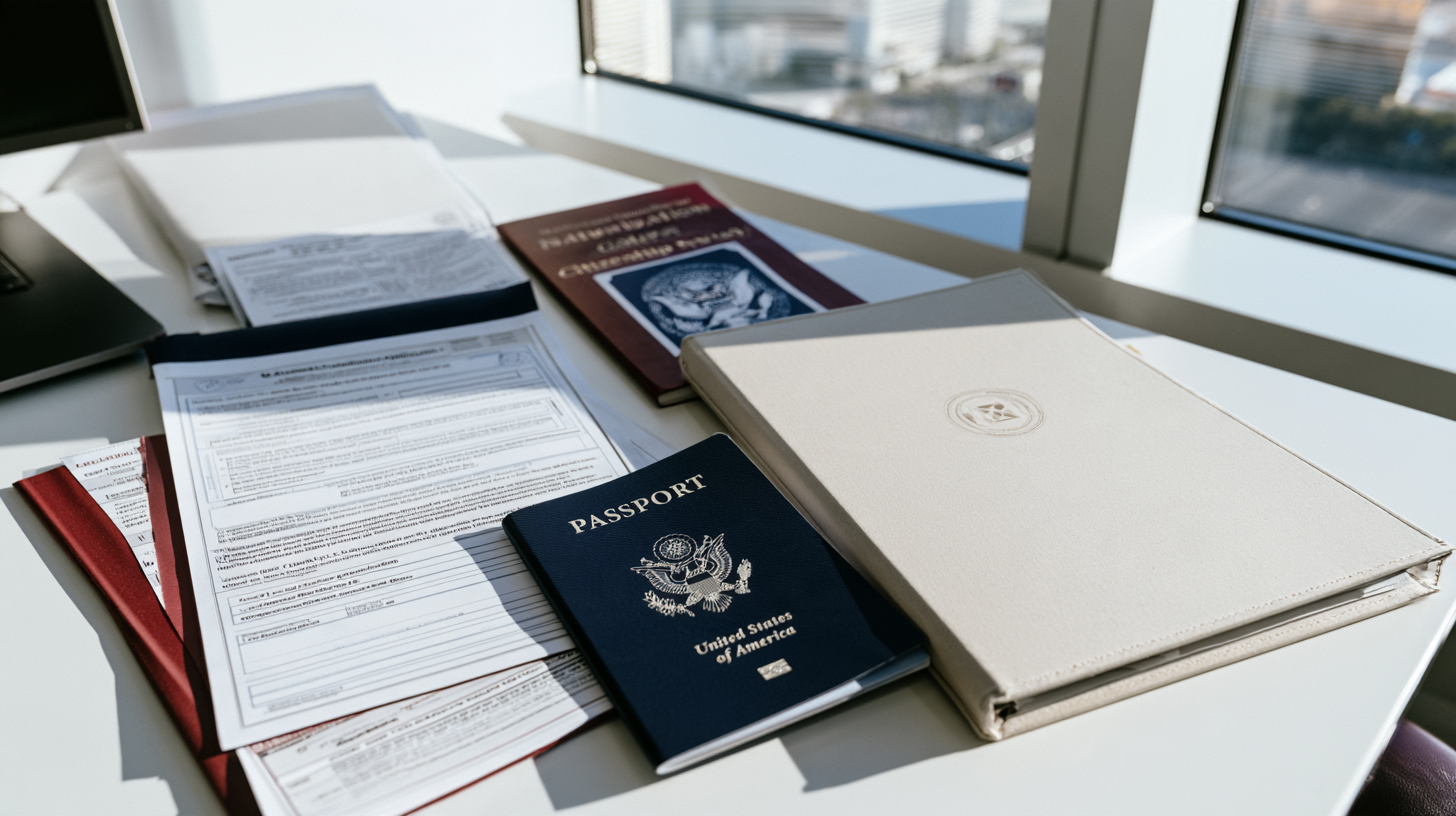
Aviation employs tens of thousands of people in Clark County, and most of those airport jobs sit behind one credential. Ramp agents, baggage handlers, fuelers, caterers, aircraft cleaners, mechanics, and gate staff all need a badge authorizing unescorted access to the secured areas of Harry Reid International. That credential is a SIDA badge, named for the Security Identification Display Area it opens.
Applicants carrying a criminal record meet the same wall of uncertainty every time. The job posting says a background check is required, the recruiter says the airport decides, and nobody explains which offenses matter, how far back the check reaches, or whether record sealing helps at all. That silence is discouraging in a way the actual rules often are not.
The answers do exist, and most of them come from federal regulation rather than Nevada law. That federal footing makes the airport badge an outlier among Nevada credentials, because a Las Vegas work card and a state license both turn on records a Nevada judge can order sealed, as the guide to Nevada licenses, cards, and permits lays out. A badge does not, and being clear about that distinction from the start saves applicants from expensive assumptions.
Why the Badge Process Runs on Federal Rules Rather Than Nevada Law
Two separate reviews stand between an applicant and a Harry Reid airport badge, and confusing them causes most of the bad guesses people make about their chances.
The first is a criminal history records check, a fingerprint-based search of FBI records that the airport operator submits on behalf of the employer. The governing rule is 49 CFR 1542.209, and it uses a single, uniform standard: an applicant has a disqualifying criminal offense if convicted, or found not guilty by reason of insanity, of any of the 28 listed crimes in any jurisdiction during the 10 years before the date of the application for unescorted access authority, or at any point while they hold that authority. The Clark County Department of Aviation administers the process locally, though the standard itself is federal and uniform across every commercial airport in the country.
Two features of that sentence catch people off guard. The lookback runs from the date of your application, not from the date of conviction or from your release, so the clock is measured backward from the day you apply and time does the work for you. And a finding of not guilty by reason of insanity counts the same as a conviction.
The second is a security threat assessment run by the Transportation Security Administration, which looks past criminal history toward immigration status, terrorism-related databases, and other federal watch lists. An applicant can clear the fingerprint check and still fail the threat assessment, or the reverse. The two run on separate authorities and separate timelines, and clearing one tells you nothing about the other.
A third framework confuses people who have read about federal employment. Security clearance adjudication for defense and intelligence work is an entirely different system, with its own guidelines, its own adjudicators, and a whole-person analysis that weighs mitigation. A badge decision is closer to a checklist, which cuts both ways: less room for argument, and considerably more predictability. Anyone comparing the two should read the separate treatment of sealed records and security clearance applications in Nevada.

Permanent Bars Compared With Time-Limited Disqualifications
Here is where most online guidance goes wrong, and the error costs applicants real money. Two different federal rules govern two different credentials, and they are constantly confused. 49 CFR 1572.103 splits offenses into permanent disqualifiers and interim ones with a seven-year or five-year clock, but that rule governs the TWIC card and hazmat endorsements for port and trucking work. It does not govern an airport badge. Airport unescorted access authority runs on 49 CFR 1542.209, which has no permanent tier at all.
That is the fact worth carrying away. Under 1542.209, every disqualifying offense sits inside the same 10-year window measured back from your application date. Murder, espionage, and treason appear on the list, and so do felony theft, felony burglary, robbery, extortion, felony fraud or misrepresentation, unlawful possession or sale of a weapon or explosive, felony arson, aggravated assault, bribery, distribution of a controlled substance, and conspiracy or attempt to commit any of them. None of them bar an airport badge forever on the face of the regulation. A conviction that fell outside the 10-year window before you applied is not a disqualifying offense under this rule, however serious it was.
Two other features matter. An arrest without a conviction is not a disqualifying offense, but an entry showing an arrest for a listed crime with no recorded disposition triggers a duty on the airport operator to determine, after investigation, that the arrest did not result in a disqualifying offense before it can grant authority. That is why an old case with a blank disposition line stalls a file that should have been cleared.
Simple drug possession deserves its own mention, because applicants routinely assume the worst. The regulation lists “distribution of, or intent to distribute, a controlled substance” as its own disqualifier, but possession appears only in a narrower form: a felony involving illegal possession of a controlled substance punishable by a maximum term of imprisonment of more than one year. A misdemeanor possession conviction is not on the list. Anyone carrying that kind of case should look at what a drug charge means for record sealing eligibility before concluding the badge is out of reach.
What Sealing a Nevada Case Changes, and What the Federal Check Still Finds
Sealing works differently here than it does for a state license or a local permit, and being honest about that gap serves applicants far better than optimism does.
A Nevada judge who grants a sealing petition orders Nevada custodians to seal the case, and court clerks, the arresting agency, and the state repository act on that order. A sealed criminal record then drops out of the background check results employers and the public can obtain, which covers the airline’s own hiring screen and the staffing agency that placed you.
The FBI database sits outside a Nevada court’s reach. Federal repositories hold records that state agencies transmitted over the years, and whether an entry is updated after a state sealing order depends on transmission practices rather than on the order itself.
The regulation anticipates exactly this problem and builds a route through it. Under 49 CFR 1542.209, before making a final decision to deny you, the airport operator must tell you that the FBI record discloses disqualifying information and give you a copy of that record if you ask in writing. You then have 30 days to notify the operator in writing that you intend to correct information you believe is inaccurate. Critically, the operator must obtain either a revised FBI record or a certified true copy of the information from the appropriate court before granting unescorted access authority.
That second option is the one that matters for a sealed Nevada case, and it is why the certified copies you keep after a sealing order are worth more than the order itself. You are not asking the FBI to update anything on your timeline; you are handing the airport operator court-certified proof of what actually happened. Miss the 30 days and the operator may make a final determination to deny. The detailed treatment of whether sealed records show up on FBI background checks in Nevada and of sealed records on federal background checks is required reading before an airport application.
The practical value of record sealing for an aviation applicant remains real even so. Sealing clears the employer background check the airline runs, the housing and credit screens that fill the rest of your life, and any future state license application you pursue. It does not, by itself, produce a badge approval, and no attorney can promise the federal review will land a particular way. Anyone told otherwise should ask considerably harder questions.

Correcting Your Record Before the Badge Application Is Submitted
Accuracy problems cause more badge delays than disqualifying convictions do, and applicants can address them ahead of time rather than waiting for a refusal.
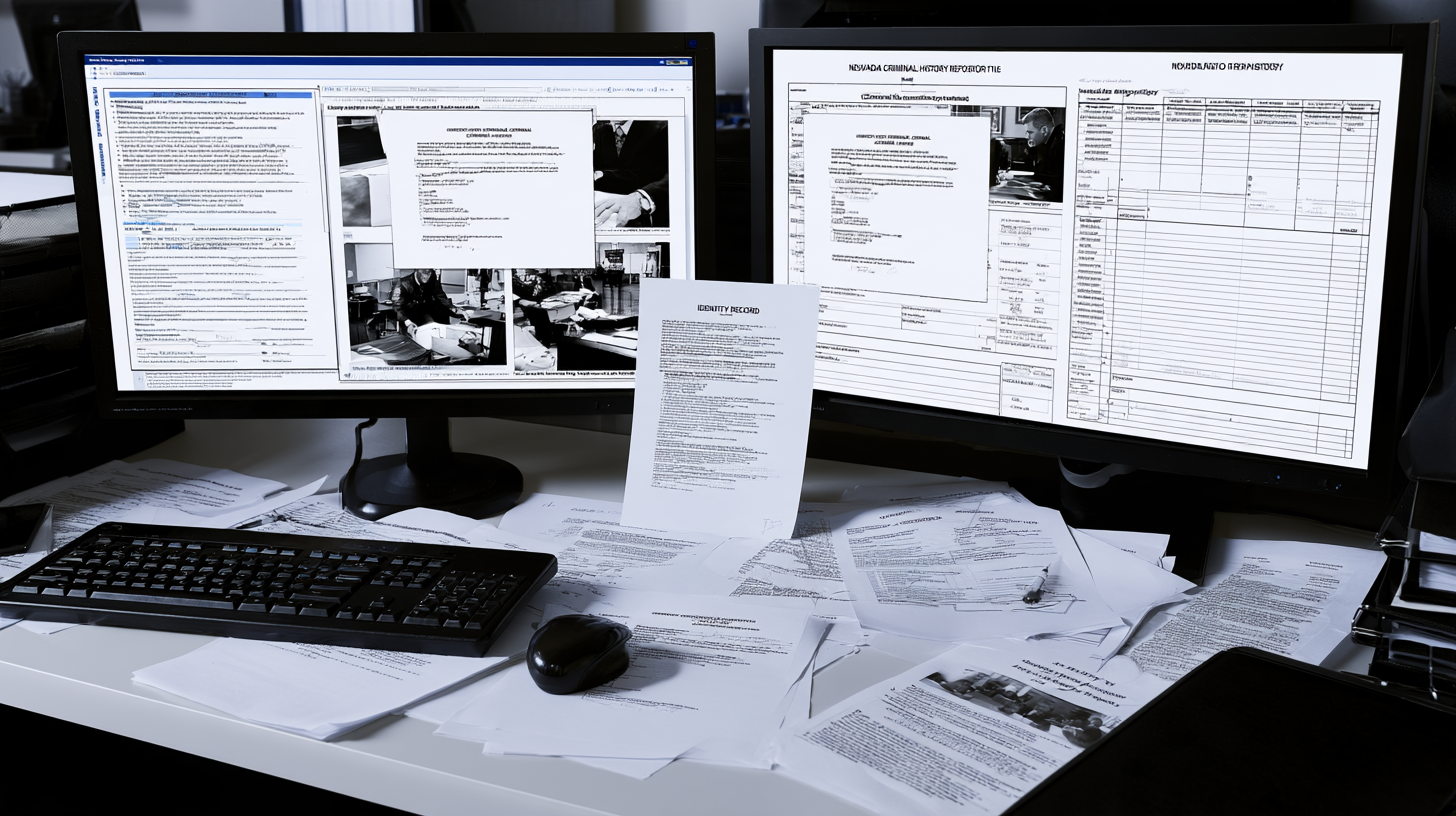
Start with your own records. A SCOPE report from Clark County shows the Nevada criminal history attached to your name, while an FBI Identity History Summary shows the federal side. Comparing the two exposes the gaps that stall applications, above all a missing disposition on a case that was dismissed or reduced years ago.
Fix those gaps at the source. Certified court records showing a dismissal, an acquittal, or a reduced charge give the reviewer something concrete to act on. The guidance on correcting background check databases after record sealing applies to commercial reports, and the federal system runs its own record challenge procedure for disputing an inaccurate entry.
Applicants who moved to Nevada carrying a case from elsewhere face an added step, since the badge check reaches records from every state. The overview of sealed records in interstate background checks explains why an old out-of-state conviction can appear in a federal search even after one state closed its file.
Timing the paperwork helps as much as fixing it. Pull both reports before the employer submits your fingerprint card, not after, because an application already in motion is harder to correct than one that has not started. A person whose sealing petition is pending should tell the attorney about the badge deadline, since the sealing order and the airport calendar rarely move at the same speed. Applicants who have already been through a Las Vegas work card denial know how expensive a second refusal on the same entry becomes.
Aviation Work That Needs No Secured-Area Badge at All
Plenty of airport jobs sit outside the security line, and they hire steadily year-round. The regulation ties the badge to the function rather than to the employer: what triggers 1542.209 is a need for unescorted access authority to a security identification display area, not simply working at an airport. Ticket counter positions in the public terminal, concession and restaurant work landside, rental car operations, hotel shuttle driving, and cargo facilities away from the air operations area generally do not require that authority, though the airport operator decides which positions do and the answer can differ between two employers doing similar work. Ask the specific question before applying: does this position require unescorted access authority, or a lesser airport identification credential?
Those employers run ordinary commercial background checks, which means a sealed Nevada case works exactly as it does anywhere else in the state. Understanding the levels of background check Nevada employers actually run helps an applicant target the roles where their record already clears.
Starting a landscape is a legitimate strategy rather than a consolation prize. A person hired into terminal concessions builds an aviation work history, learns the operation from the inside, and reapplies for a badged position once a time-limited disqualification expires. The calendar is doing work for you during that period even when it feels like standing still.

Frequently Asked Questions
Is a Hazardous Materials Endorsement Checked the Same Way as an Airport Badge?
A hazardous materials endorsement on a commercial driver license runs through its own TSA threat assessment with a related but separate disqualifying offense list, so clearing one does not automatically clear the other. Drivers who deliver fuel or freight into secured areas may need both credentials, and the Nevada CDL and record sealing guide covers where the two federal checks overlap.
Do Juvenile Adjudications Appear on a Federal Badge Check?
Nevada courts handle juvenile matters differently from adult cases, and a juvenile adjudication is not a criminal conviction in most contexts, though records from those cases follow their own rules and Nevada offers a separate route through juvenile record sealing. Bring the court paperwork to a review rather than assuming the entry will stay invisible on a federal fingerprint check.
If Nevada Seals My Case, Will the Airport Still See It?
Possibly, and that is the uncomfortable but accurate answer. A Nevada order binds Nevada custodians, while the FBI repository holds what state agencies transmitted over the years and updates on its own terms, which is why aviation applicants should read the guidance on sealed records and federal background checks and plan for the federal challenge process if an entry appears incorrectly.
Conclusion
The honest summary is that a badge decision follows federal criteria a Nevada court cannot override, and that this is far less bleak than it sounds. Most disqualifications on the federal list are time-limited rather than permanent, arrests without convictions are not disqualifying at all, and simple possession generally sits outside the distribution category that causes real trouble.
Nevada sealing still earns its place in the plan. It clears the airline’s own hiring screen, the staffing agency’s report, your housing and credit checks, and any state license you pursue later, and it removes the entry that follows you through every part of life outside the security fence. Sealing and badging are two different problems, and solving the first one is worth doing regardless of how the second resolves.
What decides most cases is preparation and sequence: pull your SCOPE report and your federal summary, document any missing disposition with certified court records, confirm whether your offense is time-limited and when that period closes, and file the sealing petition with the badge calendar in view. Eligibility depends on the offense, the disposition, and the date, and no two records line up the same way.
An old case should not quietly decide whether you can work at the airport anchoring this valley’s economy. Schedule a confidential consultation with Record Sealing Nevada to review what sealing changes, what it does not, and what your realistic calendar looks like. Contact a Nevada record sealing attorney for guidance on your specific record, or start with an overview of Nevada record sealing and how a Las Vegas record sealing attorney approaches a mixed history.