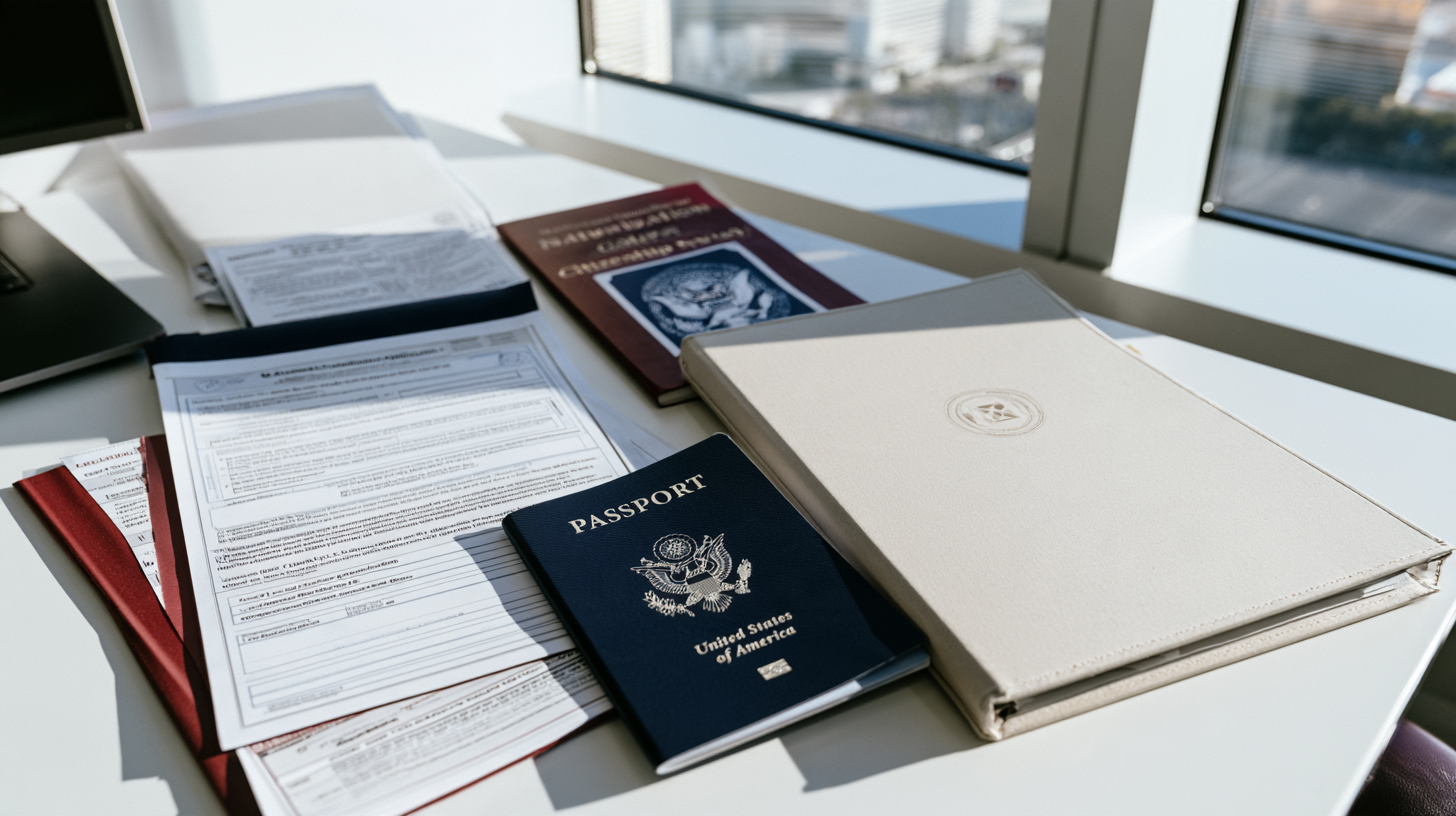
Commercial trucking and delivery work can offer stable income, strong demand, and a career path that does not require a college degree. In Nevada, freight routes along I-15, I-80, warehouse hubs, distribution centers, and logistics companies create steady opportunities for qualified CDL holders.
For someone with a criminal record, that opportunity can feel uncertain. A past arrest, conviction, DUI, or drug case may raise questions about whether the person can qualify for a commercial driver’s license, pass a background check, or get hired by a trucking company.
The answer depends on the record, the type of offense, the time that has passed, and whether the person is applying for a standard CDL job, a hazardous materials endorsement, or a position with stricter employer rules. Record sealing in Nevada may not remove every licensing barrier, but it can reduce what many employers see and help applicants move forward with a cleaner public record.
CDL Licensing and Criminal Records in Nevada
A CDL in Nevada is issued through the Nevada DMV, but many rules come from federal transportation regulations. This means some disqualifications apply across the country, while other issues depend on Nevada law, employer policy, or the type of driving job.
A criminal conviction does not automatically prevent someone from getting a commercial driver’s license. Many people with old misdemeanors, dismissed cases, or unrelated convictions may still qualify. The bigger question is whether the record involves driving safety, controlled substances, fraud, violence, theft, or conduct that creates a federal or employer-based concern.
For many applicants, the license itself is only part of the issue. A person may be legally eligible for a commercial driver’s license, but still struggle to get hired if old records appear in employer background checks. This is where record sealing can be valuable, especially for cases that are eligible under Nevada law.
A sealed record can help reduce unnecessary barriers in employment screening. It may not erase a DMV driving history or override federal rules, but it can prevent many old criminal records from showing up in standard employer-facing searches.

Federal Disqualifications That Apply to CDL Drivers
Federal rules create serious restrictions for certain offenses involving commercial motor vehicles. These rules apply regardless of the state where the person applies.
A CDL holder may face disqualification for offenses such as driving a commercial vehicle under the influence, leaving the scene of an accident, using a commercial vehicle in the commission of a felony, refusing chemical testing, or causing a fatality through negligent driving. Some violations create temporary disqualification, while others can result in lifetime disqualification.
Drug-related conduct can also create major issues. Using a commercial vehicle to commit a drug trafficking offense can lead to lifetime CDL disqualification. A person with a past drug case should understand whether the conviction involved possession, distribution, trafficking, or use of a vehicle. Eligible applicants may also want to review options for drug crime record sealing in Nevada.
Hazardous materials endorsements involve a deeper review. Applicants seeking a hazmat endorsement may need to pass a federal Transportation Security Administration background check. Certain felonies, immigration issues, terrorism-related offenses, and disqualifying security concerns can affect approval. A sealed Nevada record may help in some public-facing contexts, but federal checks may still reveal certain information.
This distinction matters because record sealing and CDL disqualification are not the same thing. Sealing can limit public access to a criminal case, while federal transportation rules may still control whether a person can drive commercially or carry specific endorsements.
Nevada DMV Records and Criminal Background Checks
The Nevada DMV reviews driving-related eligibility for CDL applicants. A person’s driving history, license suspensions, DUI records, medical certification, testing requirements, and endorsements can all affect the application.
A sealed criminal record does not automatically remove a DUI or traffic-related entry from a DMV driving history. Criminal court records and DMV records are not the same. A DUI conviction may be sealable in criminal court after the required waiting period, but the driving record may still contain administrative information tied to the license.
This is especially important for applicants with old DUI cases. A person may seal the court record and reduce the public impact of the conviction, but the DMV may still retain driving-related history for licensing purposes. Applicants with DUI concerns should review DUI record sealing in Nevada before assuming the case will disappear from every database.
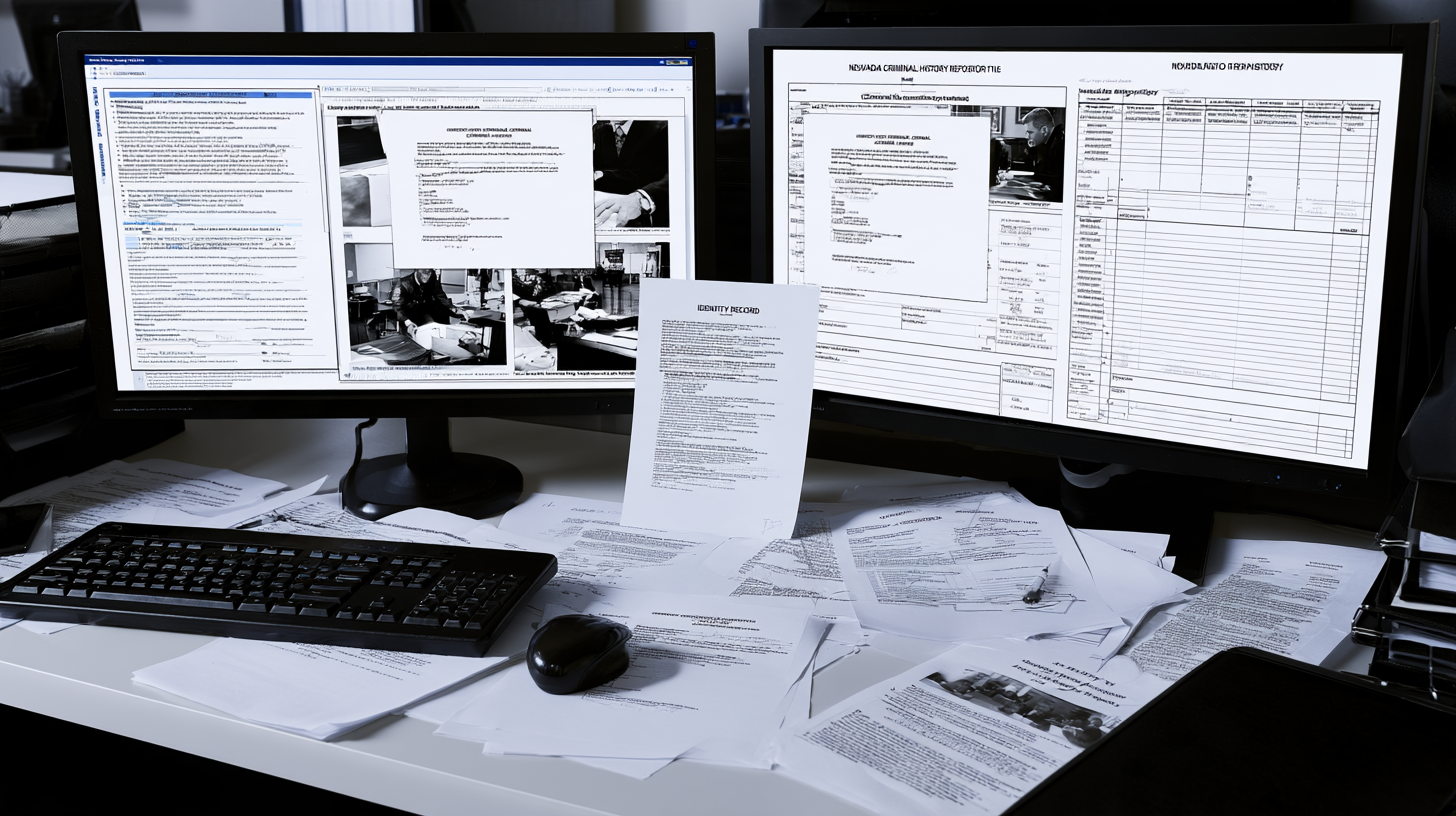
A CDL applicant should also understand what appears on their criminal history. In Clark County, that often begins with a SCOPE report. A SCOPE record can show arrests, charges, case numbers, and dispositions, which helps identify what may be eligible for sealing before the person applies for jobs.
For people with records outside Clark County, a statewide or federal background check may be needed. The difference between local, state, and federal records matters because CDL employers may use different levels of screening depending on the job.
Employer Background Checks Are Often the Bigger Barrier
Many CDL applicants are not denied because the DMV refuses to issue a license. They struggle because trucking companies, delivery businesses, freight employers, logistics firms, and insurance carriers run background checks before hiring.
Employers may look for felony convictions, theft-related offenses, violent charges, drug cases, recent DUI records, accidents, license suspensions, and driving violations. Some companies have strict policies because their insurance carrier requires them. Others evaluate applicants case by case.
A sealed record can be especially helpful in this stage. Once a record is sealed, many standard employer background checks should not show the arrest, charge, or conviction. Applicants can review how sealed records affect Nevada background checks to understand what most employers may see.
Nevada employers also have limits on what they can ask and how they can use certain records. Applicants should understand what Nevada employers are allowed to ask about their criminal past before answering forms or interviews.
This does not mean every sealed record is invisible in every situation. Some regulated positions, federal contracts, hazmat endorsements, and fingerprint-based checks may involve deeper review. Still, record sealing can make a meaningful difference for many trucking and delivery jobs where the employer relies on standard screening.

DUI Convictions and CDL Opportunities
A DUI conviction can create serious challenges for anyone pursuing a CDL. Commercial drivers are held to stricter standards than regular drivers, and DUI history can affect licensing, insurance approval, and employer willingness to hire.
A DUI in a personal vehicle may still affect a CDL applicant. A DUI in a commercial vehicle can create even more severe consequences, including CDL disqualification. Multiple DUI offenses can create longer disqualification periods and make employers more hesitant.
Record sealing may help with the criminal court record after the required waiting period, but it does not automatically change every driving-related consequence. The DMV, insurance companies, and employers may review different sources. This is why applicants should separate the criminal record question from the driving history question.
For someone with an old DUI, the best approach is to understand what appears in each record system. A sealed criminal case may improve many employment checks, while the driving record may still need to be explained. A person who has completed treatment, maintained a clean driving history, and avoided new arrests may be in a stronger position when applying.
Dismissed Cases, Reduced Charges, and Old Arrests
Some CDL applicants worry about records that did not result in a conviction. A dismissed case, old arrest, or charge that was reduced before sentencing may still appear in background checks if it has not been sealed.
A dismissed case does not always disappear automatically from every database. Applicants may need to pursue record sealing after dismissal or acquittal to prevent the case from appearing in future searches.
Arrests that never led to charges can also remain visible unless they are sealed. This can be frustrating for CDL applicants because an employer may see an arrest and misunderstand the result. Eligible applicants may benefit from record sealing for arrests that never led to charges.
Reduced charges also require careful review. If a person was originally arrested for a felony but the case was later reduced to a misdemeanor or gross misdemeanor, background checks may still show confusing information. Understanding records from reduced charges in Nevada can help applicants present a more accurate history.
Building a CDL Career After Record Sealing
A person preparing for a CDL career should start by reviewing the full record. That includes criminal history, DMV records, court dispositions, and any employer-facing background check information. The goal is to understand what may appear before applying to trucking schools, employers, or endorsement programs.
The next step is reviewing record sealing eligibility. Some cases may be eligible immediately, while others require waiting periods. Dismissed cases and acquittals may move faster than convictions. Misdemeanor records may have shorter waiting periods than many felony records. Applicants can review Nevada record sealing eligibility before assuming they qualify or do not qualify.
Timing also matters. The record sealing timeline in Nevada can take several months, depending on the court, prosecutor review, agency processing, and whether the record includes multiple cases. Starting early may help applicants avoid delays before job applications or training deadlines.
Once a record is sealed, the applicant may still need to prepare for questions about driving history, work gaps, or regulated endorsements. But sealing can reduce unnecessary barriers and help the applicant focus on qualifications, training, safety, and reliability.
Job Applications After a Record Is Sealed
After record sealing, many applicants can answer questions about the sealed case as though it did not occur, unless a legal exception applies. That protection can be powerful when applying for CDL jobs, warehouse driving positions, delivery work, or logistics roles.
Still, applicants should read each question carefully. Some forms ask about convictions. Others ask about driving history, license suspensions, pending charges, or federal disqualifications. A sealed criminal case may not need to be disclosed in many ordinary situations, but a CDL-related driving issue may still need to be answered accurately.
Applicants should also understand the difference between a criminal background check and a motor vehicle record. A sealed criminal record may improve employer screening, while a driving history may still show accidents, suspensions, or CDL disqualifications. Knowing the difference helps avoid mistakes.
For many people, sealing can improve job opportunities by removing old criminal records from standard searches. The connection between sealed records and job searches in Nevada is especially important in industries where employers screen applicants quickly and may reject people based on outdated information.

FAQ
Can I get a CDL in Nevada with a felony conviction?
Possibly. A felony conviction does not automatically prevent every CDL application, but certain offenses involving commercial vehicles, drugs, violence, fraud, or federal security concerns may create disqualification issues. The answer depends on the offense, timing, endorsements, and employer requirements.
Does sealing my record remove a DUI from my DMV driving record?
Not automatically. Record sealing may seal the criminal court record after the waiting period, but DMV driving records are separate. A DUI may still affect licensing, insurance, and CDL eligibility depending on the facts and timing.
Will a trucking company see my sealed record?
Many standard employer background checks should not show a sealed Nevada record. However, some regulated employers, federal checks, hazmat endorsements, or fingerprint-based screenings may involve deeper review. Applicants should understand the type of check being used before assuming what will appear.
Conclusion
A criminal record does not always prevent someone from getting a CDL in Nevada. Some records create federal or DMV-related issues, but many old arrests, dismissed cases, misdemeanors, and unrelated convictions can be addressed through record sealing.
The strongest approach is to review the record before applying. That means checking the SCOPE report, court records, DMV history, and eligibility for sealing. It also means understanding whether the issue affects licensing, employment, endorsements, or only public background checks.
Record Sealing Nevada helps applicants review criminal history records, determine eligibility, prepare sealing petitions, and understand how sealed records may affect CDL employment opportunities. If you are planning to pursue a commercial driving career and want to know whether your record can be sealed, contact Record Sealing Nevada for a confidential consultation.