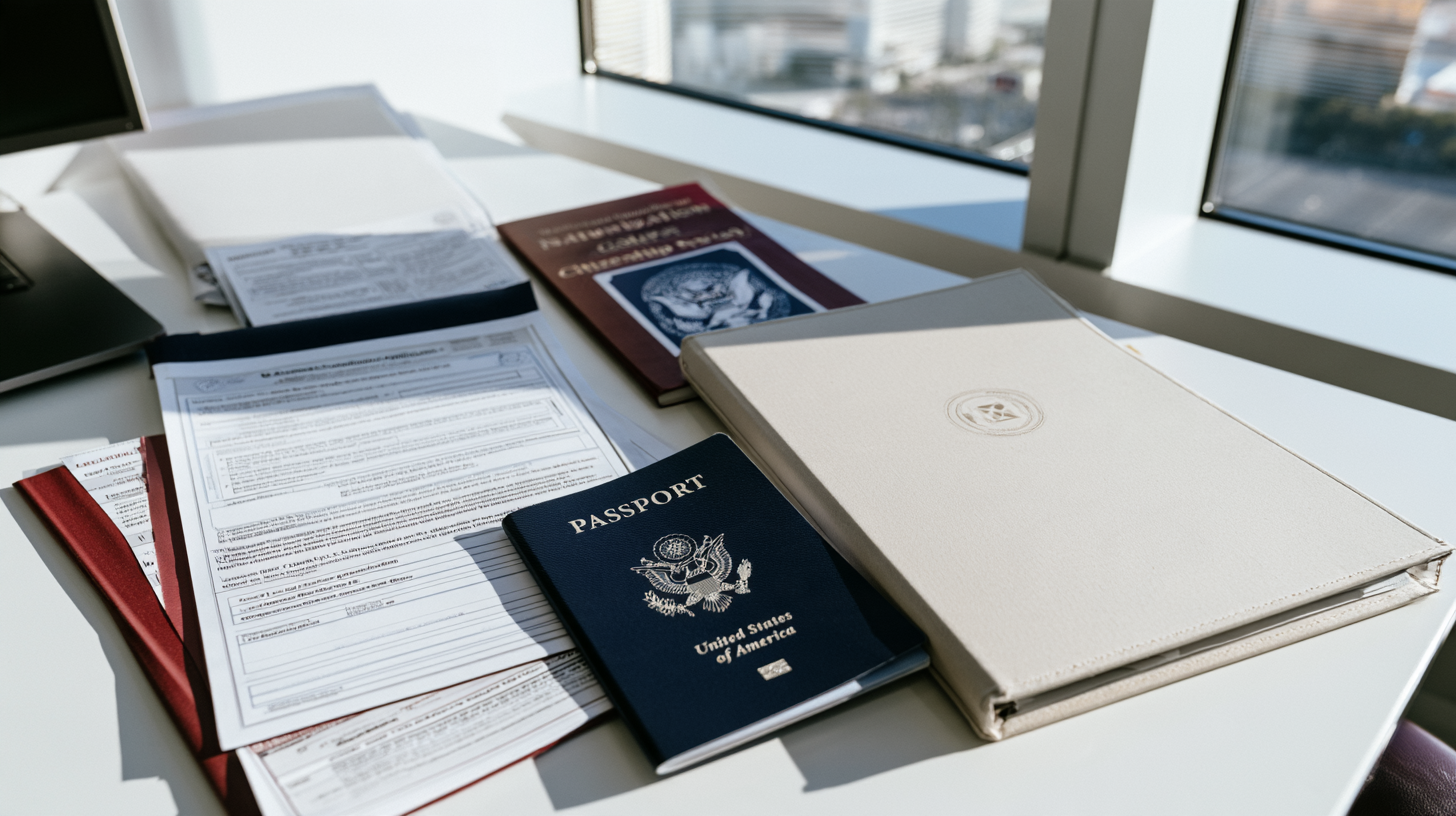
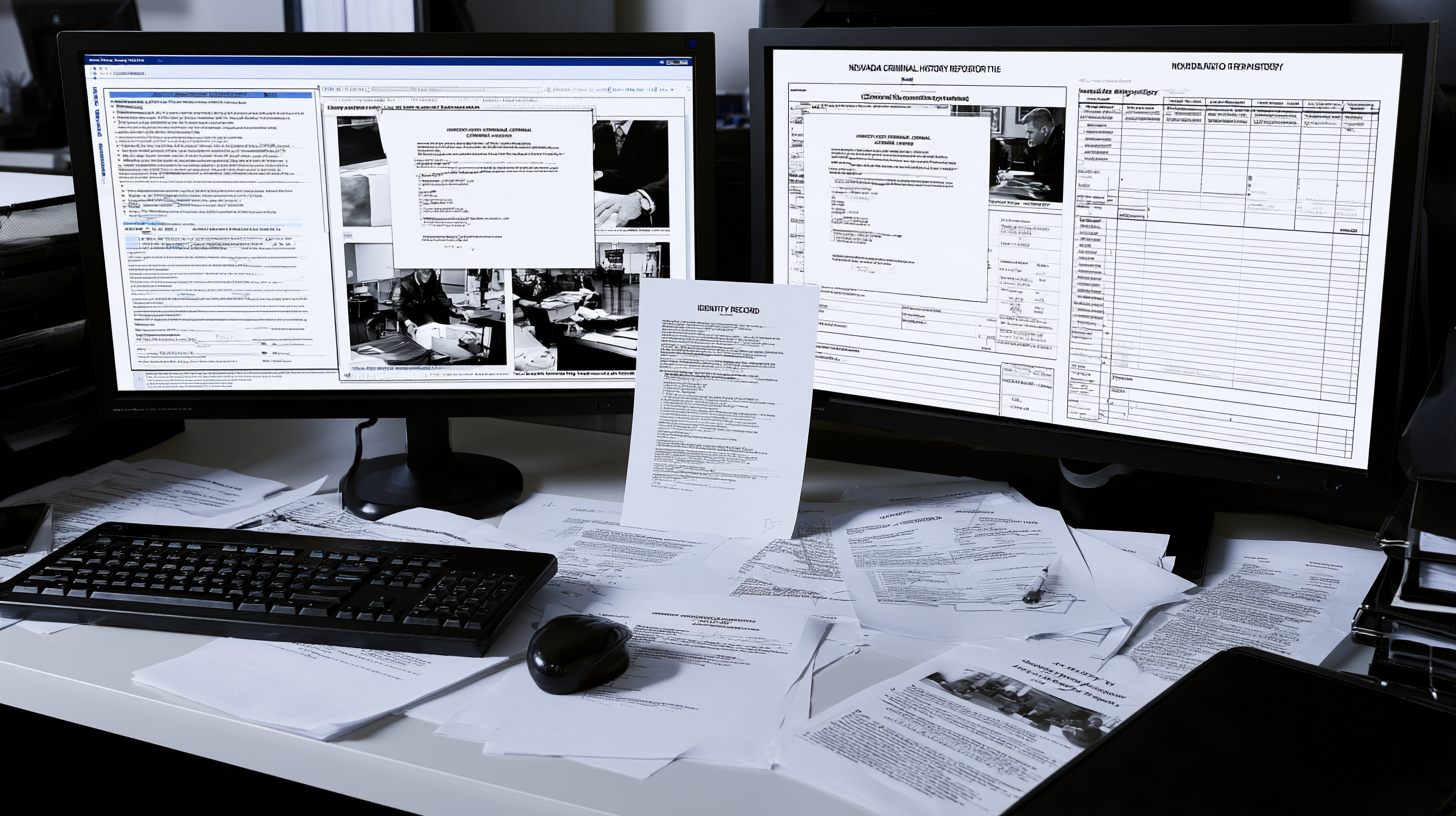
A sealed Nevada record is generally treated under state law as though the proceedings never occurred. That protection is powerful, but it can create a serious misunderstanding for someone applying for U.S. citizenship.
For naturalization purposes, USCIS specifically asks about sealed records. A Nevada case that has been sealed may still need to be disclosed on Form N-400, even though Nevada law may allow a person to answer differently when dealing with many employers or other state-law inquiries.
The N-400 asks about sealed records directly
The Form N-400 instructions expressly address arrests and convictions that were vacated, set aside, sealed, expunged, or otherwise removed from a person’s record, as well as pardons.
That means the disclosure obligation does not disappear simply because Nevada sealed the case.
The form is not asking only whether the applicant currently has an unsealed conviction. It asks about the underlying arrest or conviction and the fact that the record was later sealed or otherwise removed.
The instructions also call for supporting documents when the applicant answers yes.
Those documents can include the motion or petition used to obtain relief, the court order sealing or vacating the record, or a statement from the court when the requested record no longer exists.
Because USCIS updates its forms and instructions, applicants should always confirm the wording of the current N-400 edition rather than relying entirely on an older version or a secondary explanation.
A federal background check can still make nondisclosure risky
Naturalization involves a federal fingerprint-based background check.
That is important because a Nevada sealing order primarily operates within Nevada’s own legal and records system. It should not be treated as a guarantee that a federal immigration agency will never encounter information about the original case.
For an applicant, the practical concern is consistency.
If a sealed Nevada case appears in federal records but is omitted from the N-400, USCIS may see a discrepancy between the application and the government’s background information.
That can create a separate problem beyond the original criminal case.
A false or incomplete answer can be more serious than the old case
For many applicants, an older and relatively minor Nevada conviction may be something that can be disclosed and explained rather than an automatic bar to naturalization.
A false statement or material omission can create a different issue because candor and truthfulness are relevant to the federal good moral character analysis.
That creates an important distinction.
The old criminal case is an existing event with its own legal consequences. An inaccurate answer on the N-400 can introduce a new issue based on the applicant’s present conduct during the immigration process.
For that reason, someone with a sealed Nevada case should not assume that treating the case as nonexistent under state law automatically answers the federal immigration question.
The documents to gather before the citizenship interview
Disclosure may be straightforward. Obtaining the documents can be more difficult.
USCIS may ask for records showing how the criminal case ended and documentation confirming that the case was later sealed, vacated, or otherwise resolved.
Once a Nevada record has been sealed, however, the court file is no longer as freely accessible as it was before sealing.
That can make obtaining certified copies under an interview deadline more difficult.
If naturalization and Nevada record sealing are both being considered, it can be helpful to obtain certified copies of the disposition and other important court documents before or during the sealing process.
A Nevada criminal-history report can also help establish what the state’s own records show.
Someone who has already sealed the case may still have a process for requesting access to their own sealed documents, but starting that process well before the interview is usually easier than trying to reconstruct the file at the last minute.

How to discuss a sealed Nevada case at the interview
Disclosing a sealed case does not automatically make the entire naturalization interview about the criminal record.
The USCIS officer typically reviews the application, background-check information, and supporting documents together.
What matters is that the information is consistent.
The N-400, court documents, and the applicant’s answers should describe the same arrest, charge, disposition, and sealing outcome.
If the applicant does not remember a specific date or detail, it is generally better to say that the exact information is reflected in the documentation than to guess and create an inconsistency.
The federal fingerprint check also makes strategic nondisclosure especially risky.
A documented and consistent explanation of an old resolved case is generally a stronger position than an application that appears clean but conflicts with government records.
Nevada cases that never resulted in a conviction still matter
Not every Nevada criminal record represents a conviction.
A case may have ended in a dismissal, decline of prosecution, or acquittal, while still leaving an arrest record.
The N-400 asks about arrests as well as convictions.
That means someone whose Nevada case never resulted in a conviction may still have information to disclose.
The important distinction is how the case ended.
An applicant should be able to show documentation establishing that a charge was dismissed, prosecution was declined, or an acquittal occurred.
An undisclosed arrest can create the same type of inconsistency problem as an undisclosed conviction if it later appears during federal screening.
Nevada also uses different statutory procedures for sealing non-conviction records and conviction records, which can affect the paperwork available afterward.
Should you seal the Nevada case before applying for citizenship?
There is no universal answer.
Whether someone should seal first or apply for naturalization first can depend on the type of conviction, timing, immigration history, and other facts that belong in an individualized immigration analysis.
Several general points are still important.
First, sealing a Nevada case does not eliminate the N-400 disclosure obligation.
Second, sealing can make some underlying court documents harder to retrieve afterward.
Third, federal immigration law evaluates criminal-history consequences under federal standards and does not automatically adopt Nevada’s treatment of a sealed conviction.
Those points make early document collection especially valuable regardless of which process happens first.
The age of the criminal case can matter
Naturalization’s good moral character analysis generally focuses on a defined statutory period preceding the application, although USCIS may consider conduct that occurred before that period.
An older Nevada conviction can therefore be evaluated differently from a recent case.
Age alone does not eliminate the disclosure obligation.
A decades-old case may still need to be reported even when its age reduces its practical significance in the overall analysis.
For many applicants, the important issue is not simply that an old case exists, but whether it is accurately disclosed and supported by records showing how it was resolved.
Record sealing can still provide important benefits
The fact that USCIS requires disclosure does not make Nevada record sealing pointless.
A properly sealed Nevada record can still have significant value in other areas, including many employment, housing, and private background-check situations.
The distinction is that state record sealing and federal immigration disclosure serve different purposes.
Sealing can reduce the visibility and practical impact of a Nevada criminal record in many settings without eliminating the obligation to disclose that history when a federal immigration form specifically asks for it.
For broader immigration consequences, Record Sealing Nevada’s guides to record sealing for non-citizens and sealed records and immigration status provide additional context.
An immigration attorney should handle the federal immigration analysis
Nevada record sealing and federal naturalization are connected issues, but they are not the same legal process.
Record Sealing Nevada handles Nevada criminal record sealing.
Questions about the N-400, good moral character, immigration consequences of a conviction, and how to answer questions during the citizenship interview are matters for an immigration attorney.
Someone with a Nevada criminal record who is preparing for naturalization can benefit from addressing both sides separately: getting the Nevada records organized and consulting immigration counsel about how those records affect the federal application.

Frequently Asked Questions
Do I have to disclose a Nevada conviction if the record has already been sealed?
Generally, the N-400 instructions specifically ask about arrests and convictions that have been sealed, expunged, vacated, set aside, or otherwise removed, so Nevada’s rule treating sealed proceedings as though they did not occur does not eliminate the federal disclosure question. The N-400 is asking under federal immigration rules, and applicants should follow the current form instructions and immigration counsel’s guidance.
How can I get court documents from a Nevada case that has already been sealed?
Obtaining records after sealing can be more difficult because the case is no longer freely accessible to the public, but a person may still have procedures available to request their own sealed records. Starting that process well before the citizenship interview is important, especially if USCIS may require a certified disposition, sealing order, or other documentation showing how the case ended.
Does an old Nevada conviction still matter at a citizenship interview?
Potentially, yes. The age of the case can affect how it is evaluated because good moral character is generally assessed over a statutory period preceding the naturalization application, although USCIS may consider older conduct as well. An old case does not automatically disappear from the disclosure requirement, so it should generally be reported accurately and supported with documents showing the final disposition and any later sealing.
Conclusion
A sealed Nevada criminal record can provide substantial benefits under state law, but naturalization follows federal rules. USCIS specifically asks about criminal matters that were later sealed or otherwise removed, so applicants should not assume that a Nevada sealing order eliminates the need for disclosure.
The practical goal is to make sure the Nevada side of the record is accurate, documented, and consistent before the immigration process reaches the interview stage.
If you are preparing for naturalization and have a Nevada case that has already been sealed, or a case you are considering sealing, contact Record Sealing Nevada for a confidential review of the Nevada record and help gather the relevant court documents. For the N-400, good-moral-character analysis, and citizenship interview itself, work with an immigration attorney who can advise you on the federal immigration consequences of the case.