A felony conviction can affect more than employment, housing, and professional opportunities. For many people, it also creates confusion about voting rights, jury service, public office, and full participation in civic life. Even after a case ends, people may assume they are permanently disqualified from voting or that they must wait years before registering again.
Nevada law has changed significantly. Today, many people with felony convictions in Nevada have their voting rights restored automatically after release from prison. That means a past conviction may not block someone from registering to vote, even if the record has not yet been sealed.
Still, record sealing matters. While voting rights may return automatically, sealing can help restore other civic rights, reduce public access to the record, and protect someone from unnecessary barriers in employment, housing, licensing, and background checks. Understanding the difference between rights restoration and record sealing can help people move forward with more confidence.
Voting Rights After a Felony Conviction in Nevada
Nevada passed Assembly Bill 431 in 2019, changing how the state handles felony voting restoration. Before that law, many people had to wait or take extra steps after completing a sentence before their right to vote was restored. The process was confusing and left many eligible people unsure about whether they could register.
Under the current rules, a Nevada resident convicted of a felony generally has the right to vote restored immediately upon release from prison. There is no extra waiting period, no special application, and no fee required just to regain voting eligibility. People on parole or probation after release may still be eligible to register and vote.
This is important because many people continue to believe that a felony record permanently removes their right to vote. In Nevada, that is no longer true for many residents. Once released from prison, a person can usually re-register and participate in elections through the standard voter registration process.
People with misdemeanor convictions do not lose voting rights in Nevada. A misdemeanor, gross misdemeanor, dismissed case, or arrest that never led to a conviction generally does not prevent someone from voting. However, those records may still affect background checks and other areas of life until they are sealed.
Record Sealing Restores More Than Voting Rights
Record sealing in Nevada does more than protect a record from public view. Under NRS 179.285, when a court grants a record sealing order, the person may regain the right to vote, serve on a jury, and hold public office. These civic rights are tied to the legal effect of sealing the record.
Because voting rights are already restored automatically after release from prison under Nevada law, record sealing is especially important for other rights. Jury service and public office eligibility may still be affected by an unsealed felony conviction. A sealed record can help remove those barriers.
The difference matters. A person may be able to vote without sealing their record, but still benefit from sealing because it helps restore broader civic participation. It can also remove the record from many public databases, court searches, and ordinary background checks.
In practical terms, record sealing helps create a fuller fresh start. It does not only address political participation. It can also support employment, housing, education, licensing, and other areas where an old case may continue to create problems. For people trying to understand the full effect of sealing, the Nevada record sealing process is often the starting point.
Registering to Vote After a Nevada Conviction
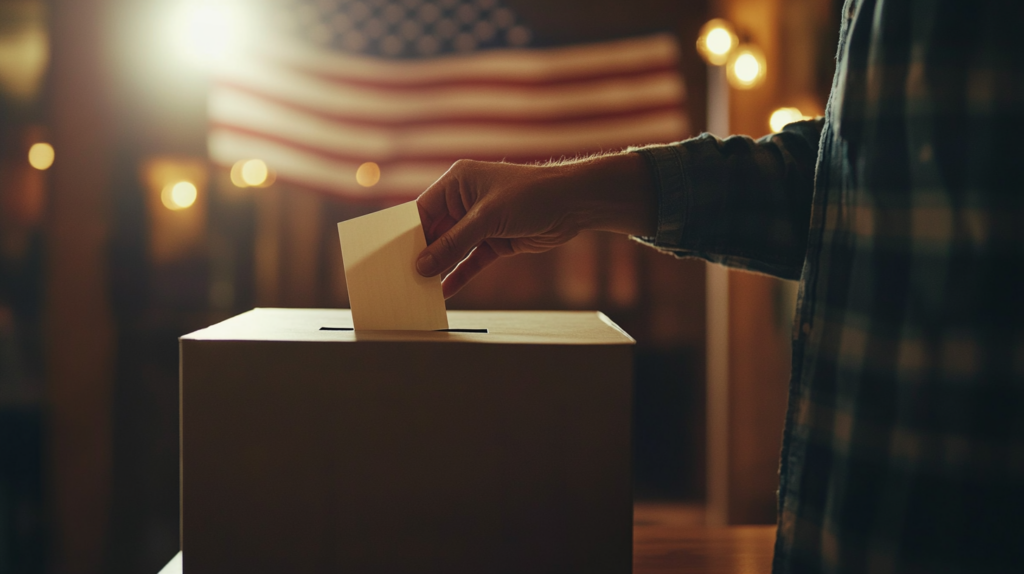
Knowing that voting rights are restored is different from actually registering. Many people with old felony convictions stay away from voter registration because they are afraid of making a mistake. That fear is understandable, but it often comes from outdated information.
In Nevada, eligible voters can register online, in person, or by mail using the standard voter registration process. There is no special registration form just because someone has a prior conviction. The form may ask whether the applicant has been convicted of a felony and whether civil rights have been restored. For many people released from prison in Nevada, the answer to the restoration question is yes.
Registering to vote does not normally trigger a new criminal investigation. It is a voter registration process, not a law enforcement process. County election officials process voter information, and people should answer the questions accurately based on their current legal status.
People with convictions from another state should be more careful. If someone was convicted outside Nevada and now lives in Nevada, restoration may depend on the law of the state where the conviction occurred. Understanding out-of-state convictions and Nevada record sealing can help clarify what options may be available.
Why Sealing Still Matters After Voting Rights Return
A person may be eligible to vote and still have an unsealed criminal record visible to employers, landlords, licensing boards, schools, lenders, and other organizations. That is why record sealing remains valuable even when voting rights have already returned.
An unsealed felony can still appear on many public record searches. It may affect job applications, apartment approvals, professional licensing, volunteer opportunities, scholarships, and career advancement. A sealed record, by contrast, is treated as though the arrest, charge, or conviction did not occur for most purposes under NRS 179.285.
This protection can make daily life easier. A person who has sealed a record can often answer questions about the sealed case as though it never happened, unless a specific legal exception applies. That can reduce the ongoing harm caused by a past conviction long after the sentence is complete.
People who are not sure what appears on their record can start by reviewing a SCOPE record in Nevada. A SCOPE report can show arrests, charges, case numbers, and dispositions in Clark County. It can also help identify which records may be eligible for sealing.
Sealed Records and Jury Service in Nevada
Jury service is one of the civic rights most closely connected to record sealing. A person with an unsealed felony conviction may be disqualified from serving on a jury. Once the record is sealed, NRS 179.285 allows the person to be treated as though the conviction never occurred for many purposes, including jury eligibility.
This can matter during jury selection. Prospective jurors may be asked whether they have ever been convicted of a felony. If the conviction has been sealed, Nevada law generally allows the person to answer as though the sealed case did not happen. That is one of the strongest legal protections created by sealing.
People sometimes worry that denying a sealed conviction could be treated as lying. Under Nevada law, the protection exists specifically so people with sealed records can move forward without being forced to disclose old cases in ordinary situations. A sealed record is not the same as an unsealed conviction.
This protection also connects to other areas of life. Similar principles may apply in employment, housing, and many standard applications. A detailed look at sealed records on Nevada background checks can help explain what employers, landlords, and the public may or may not see after sealing.
Holding Public Office After Record Sealing
Another civic right restored through record sealing is the ability to hold public office. Not everyone plans to run for office, but the right is still meaningful. It reflects a person’s ability to fully participate in public life after completing the legal process and qualifying for sealing.
An unsealed felony conviction may create barriers to certain elected or appointed positions. Once the record is sealed, the conviction is generally treated as though it did not occur for many eligibility purposes. This can help someone serve on a local board, apply for certain government roles, or pursue public service without the old conviction automatically standing in the way.
This is one reason record sealing can be more powerful than people realize. It does not only affect job applications or tenant screening. It can also restore civic standing and remove barriers that continue after incarceration, probation, or parole has ended.
For people considering government work, board appointments, or regulated careers, sealing may also connect to broader professional licensing opportunities after record sealing. A sealed record can make it easier to present qualifications without an old case dominating the review.

Pardons, Record Sealing, and Civic Rights
A pardon and a record sealing order are not the same. A pardon may forgive the offense and restore certain rights, but it does not usually hide the conviction from public view. Record sealing removes eligible records from public access and gives the person specific protections under Nevada law.
This difference matters for people focused on civic rights restoration. A pardon may be useful for certain rights, including firearm rights in some cases, or for offenses that cannot be sealed. However, if a case is eligible for sealing, sealing may provide stronger day-to-day protection because it limits what appears in public records and many background checks.
Some people may need both remedies. Others may only need record sealing. The best path depends on the conviction, the person’s goals, and whether the offense is eligible. Understanding the difference between a pardon and a clean slate in Nevada can help avoid confusion.
For many eligible cases, sealing is the more practical option because it helps with employment, housing, licensing, jury service, public office, and privacy. A pardon may have value, but it does not provide the same public-record protection that sealing can offer.
Gun Rights Are Different From Voting Rights
One common mistake is assuming that record sealing restores every right automatically. It does not. Voting rights, jury service, and public office are addressed under Nevada record sealing law, but gun rights are controlled by separate state and federal laws.
A sealed felony record may still create federal firearm restrictions depending on the conviction. Federal law can treat firearm possession differently than Nevada’s record sealing statute. That means someone may be able to vote and even have a sealed record, but still face restrictions on owning or possessing a firearm.
This is why people should not rely on general assumptions. The rules for firearm rights after record sealing are more complex than the rules for voting. Anyone with a felony record should confirm their firearm status before attempting to buy, possess, or carry a gun.
For more detail, people can review guidance on whether sealing a record restores gun rights in Nevada. The safest approach is to evaluate the specific conviction before taking any action involving firearms.
Checking Eligibility for Record Sealing
Before someone can seal a record, they need to know whether the case is eligible. Eligibility depends on the charge, disposition, offense category, waiting period, and whether any disqualifying convictions exist. Some cases can be sealed quickly, while others require years after the case closes.
Dismissed cases, acquittals, and arrests that never led to charges may be eligible sooner than convictions. Some misdemeanor convictions may have shorter waiting periods. Felony convictions may require longer timelines depending on the category of offense.
The process usually begins by gathering criminal history records, reviewing the final disposition, confirming the waiting period, and preparing the petition. A person can also review Nevada record sealing eligibility to better understand the first steps.
Timing matters. The record sealing timeline in Nevada can vary depending on the court, the prosecutor’s response, the number of cases, and whether agencies process the order correctly. Starting early can help avoid delays when someone needs a cleaner record for employment, licensing, housing, or civic participation.

FAQ
Do I need to seal my record before I can vote in Nevada?
No. In many Nevada felony cases, voting rights are restored automatically after release from prison. You do not usually need to seal your record before registering to vote. However, record sealing can still help restore other civic rights and protect your record from public view.
Can I serve on a jury after my record is sealed?
Yes. Under NRS 179.285, a person with a sealed record may generally be treated as though the conviction did not occur. That means sealing can help restore jury service eligibility and allow the person to answer questions about the sealed case as though it never happened.
Does record sealing restore gun rights in Nevada?
Not automatically. Record sealing may restore voting, jury service, and public office rights under Nevada law, but firearm rights are governed by separate state and federal rules. A person with a felony record should confirm their firearm status before buying or possessing a gun.
Conclusion
A felony conviction does not always mean a person has permanently lost the right to vote in Nevada. For many people, voting rights return automatically after release from prison. Still, record sealing can provide additional benefits by helping restore jury service, public office eligibility, and privacy from many public background checks.
Record Sealing Nevada helps people understand what appears on their record, whether they qualify for sealing, and how sealing may affect civic rights. The process can be especially important for people who want to move forward with employment, housing, licensing, public service, or full civic participation.
If you have questions about record sealing, voting rights, jury service, or what your record still shows, contact Record Sealing Nevada for a confidential consultation. A sealed record may help you move forward with more privacy, more opportunity, and a stronger sense of civic restoration.