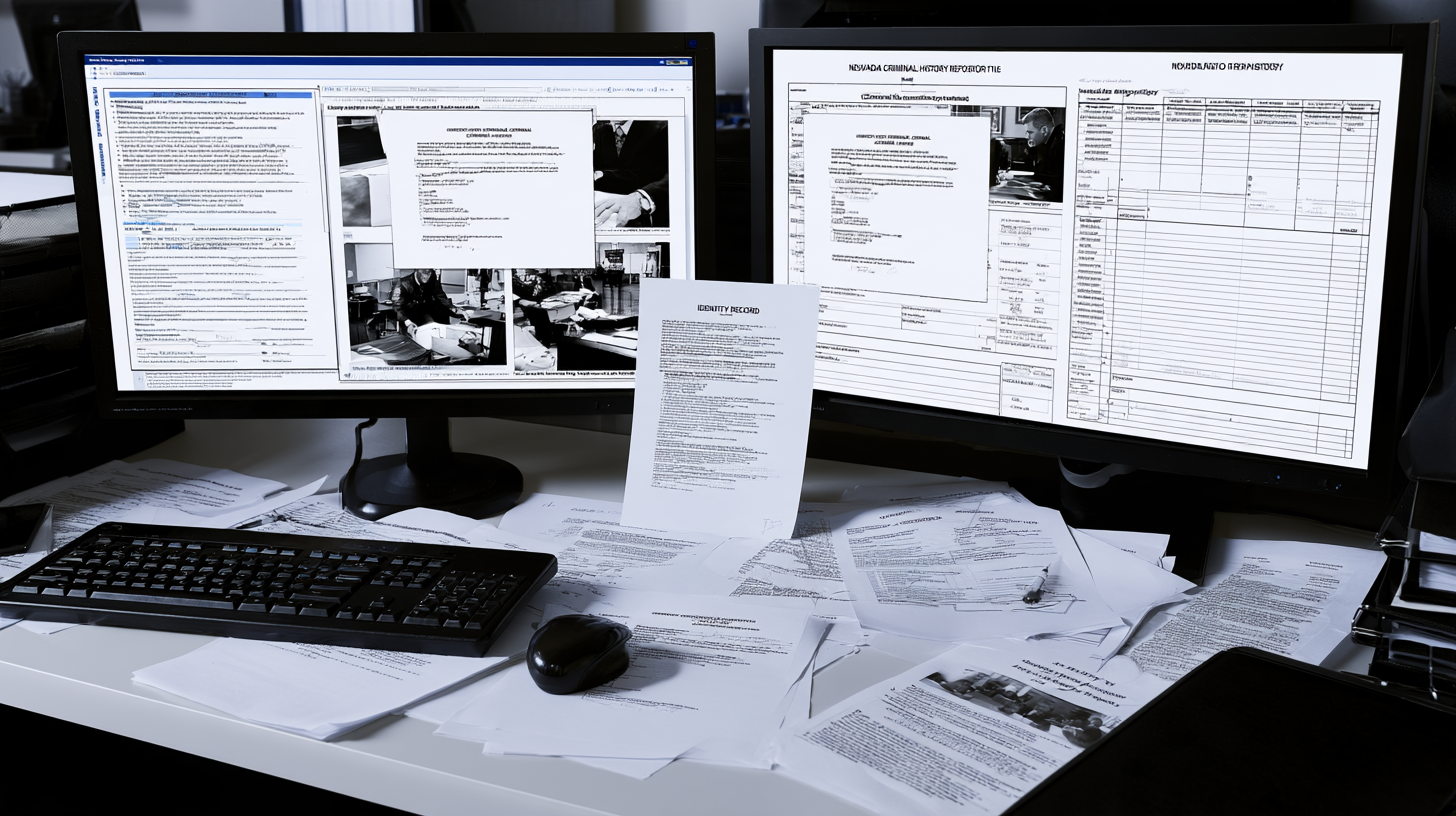
The first real step toward sealing a criminal record in Nevada often starts with one document: the SCOPE report. SCOPE stands for Summary of Criminal History Online for Professional Evaluation, and it is commonly used in Clark County to track arrests, charges, and case outcomes.
Before someone can know whether they qualify for record sealing, they need to know what appears on their criminal history. Many people assume a case disappeared because it was dismissed, reduced, or old. Others believe a past arrest no longer matters because they were never convicted. In reality, those records can still appear until the correct sealing process is completed.
A SCOPE report replaces guesswork with facts. It can show arrests, charges, court information, case numbers, dispositions, and records that may need additional review. For anyone starting the Nevada record sealing process, understanding this report can make the difference between filing correctly and running into avoidable delays.
What a SCOPE Report Shows in Clark County
The SCOPE database is maintained by the Las Vegas Metropolitan Police Department and serves as an important criminal history record source for Clark County. When someone is arrested within LVMPD jurisdiction, the arrest may create an entry in the SCOPE system. That entry can include the date of arrest, arresting agency, charges, case number, and available disposition information.
A SCOPE report may show pending cases, closed cases, dismissed charges, convictions, acquittals, and arrests that never led to charges. For people with multiple arrests or cases across different years, the report can provide a chronological view of their Clark County criminal record.
The report is useful because it gives the person and their attorney a starting point. It helps identify which cases may be eligible for sealing, which entries need more research, and which records may contain errors. Without the report, it is easy to miss an old arrest, misunderstand a final disposition, or file a petition in the wrong court.
A SCOPE report is not the same as a full statewide or national background check. It is focused on Clark County and related law enforcement records. That makes it extremely useful for many Las Vegas record sealing cases, but it may not show every arrest or conviction a person has ever had.
What the SCOPE Report Does Not Include
A Clark County SCOPE report usually does not include arrests or charges from outside Clark County. If someone was arrested in Washoe County, Reno, Sparks, rural Nevada, another state, or federal court, those records may not appear in the SCOPE system.
For a broader Nevada criminal history, a person may need to request a statewide record from the Nevada Department of Public Safety. That statewide record pulls from Nevada criminal justice databases and may show cases from other Nevada counties. Someone with cases in multiple jurisdictions should not rely only on SCOPE before preparing a record sealing petition.
Federal records are separate. A person with a federal arrest or charge in the District of Nevada may need FBI records or federal court documents to understand what appears nationally. An FBI background check can be relevant for people with federal cases, out-of-state arrests, immigration concerns, or professional licensing issues.
This distinction matters because record sealing eligibility depends on the full record, not just one document. A person may have an eligible Clark County case, but another conviction elsewhere may affect timing, strategy, or required documents.
How to Get a SCOPE Report in Person
The most direct way to get a SCOPE report is to visit the LVMPD Records and Fingerprint Bureau in person. A person requesting their own report should bring a valid, government-issued photo ID. This may include a Nevada driver’s license, state ID, passport, or military ID.
At the records bureau, the requester usually completes a form and pays the required fee. The fee for a personal SCOPE background check has commonly been modest, but people should confirm the current amount before going because fees and accepted payment methods can change. Cash, money orders, or cashier’s checks may be safer options when card acceptance is uncertain.
People in other local jurisdictions may also be able to request records through the appropriate police department. North Las Vegas, Henderson, and Boulder City may have their own records divisions for local law enforcement records. The exact process can vary by agency.
In-person requests are often preferred because they may be completed faster and allow the requester to ask basic procedural questions. However, the report itself is still just a record printout. It does not explain record sealing eligibility, waiting periods, or whether the entries are accurate.

Requesting a SCOPE Report by Mail
People who cannot visit in person may be able to request a SCOPE report by mail. A mail-in request generally requires a completed request form, a copy of a government-issued photo ID, the required fee, and a self-addressed stamped envelope.
Mail requests take longer than in-person requests. Processing time may depend on agency workload, mail delivery, whether the form is complete, and whether the fee is submitted correctly. If any information is missing, the request may be delayed or rejected.
Before mailing a request, it is important to confirm the current instructions with the proper records bureau. Requirements can change, and using an outdated form or incorrect payment method can slow down the process.
For people preparing a record sealing case, the extra time should be considered. The SCOPE report may be only the first step before court records, dispositions, and petitions are prepared.
How to Read a SCOPE Report
A SCOPE report is not written like a court order or legal explanation. It is a law enforcement record, which means the format may feel technical or confusing. Each entry may correspond to an arrest event, and each event may include one or more charges.
The most important detail is the disposition. A disposition explains what happened to the charge. A conviction, guilty plea, dismissal, acquittal, no charges filed, or pending status can all affect the next step. These distinctions matter because different outcomes have different record-sealing waiting periods.
A dismissed case may be eligible for sealing much sooner than a conviction. A misdemeanor conviction may require a shorter waiting period than a felony. A felony conviction may require a longer waiting period, depending on the category of the offense. A misdemeanor record may be easier to seal, but the exact timeline still depends on the charge and final case outcome.
Some entries may show no disposition. That can mean the case is still pending, the court outcome was never updated, or the record is incomplete. Before filing a sealing petition, those entries usually need to be researched through court records.
Common Errors Found on SCOPE Reports
Errors on a SCOPE report are more common than many people expect. An old case may show the original charge even though the case was later reduced. A disposition may be missing. A charge may appear as unresolved even though the court closed the case years ago. In some situations, a record may be connected to the wrong person because of a name match or incomplete identifying information.
These errors can affect record sealing eligibility. If a report shows a felony when the final disposition was a misdemeanor, the waiting period may appear longer than it should. If a dismissed case still appears as pending, the petition may be delayed until the court record is corrected. If the report does not show the outcome, the attorney may need to pull certified court documents.
Reduced charges also deserve careful review. If a person was originally charged with a felony but later resolved the case as a gross misdemeanor or misdemeanor, the final disposition may affect eligibility and how the case should be listed in the petition. Understanding records from reduced charges in Nevada can help avoid mistakes.
Correcting errors before filing can prevent delays. The goal is to make sure the petition matches the accurate court history, not just the first version of the record that appears in SCOPE.

How the SCOPE Report Fits Into Record Sealing
The SCOPE report acts like a roadmap for a record sealing petition. It helps identify which arrests and charges exist, where the case may have been handled, and what additional documents may be needed.
For someone with one arrest and one closed case, the path may be simple. The report may show one case, one disposition, and one court. For someone with multiple convictions in Nevada, the process may involve different courts, different waiting periods, and additional research.
The report may also reveal arrests or dismissed cases that should be eligible for sealing. If an arrest never led to charges, the person may be able to pursue record sealing for arrests that never led to charges. If a case was dismissed or ended in acquittal, the person may be eligible for record sealing after dismissal or acquittal.
In some situations, the report may show records that should no longer appear after a sealing order. If a person has already completed the process, checking the report can help confirm whether the record was actually updated. If the sealed case still appears, the person may need to follow up with the agency or court.
Statewide Records Outside Clark County
People with arrests or charges outside Clark County may need more than a SCOPE report. A statewide criminal history from the Nevada Department of Public Safety can help identify records from other Nevada counties, including Washoe County, rural courts, or agencies outside LVMPD jurisdiction.
This matters because a person filing for record sealing in Nevada needs to understand the full record. If a petition only addresses some cases and leaves others unsealed, the person may continue seeing old records appear on background checks.
People in Reno or Sparks may need records from Washoe County agencies. People with cases in multiple counties may need court records from each jurisdiction. The process can become more detailed when arrests, charges, and dispositions are spread across different courts.
For anyone unsure where a case appears, reviewing a SCOPE record in Nevada, along with the statewide criminal history, can help create a clearer picture. From there, the person can determine which petitions are needed and where they should be filed.
Checking Whether a Record Has Been Sealed
A record sealing order is an important step, but it is not always the final practical step. After a court grants the petition, agencies must update their records. That process can take time, and mistakes sometimes happen.
One way to confirm the result is to request a new SCOPE report or statewide criminal history after the sealing order has been processed. If the sealed case no longer appears, the update likely worked. If the case still appears, there may be a processing delay, agency error, or incomplete order.
People can also review how sealed records appear in standard background checks. Understanding what employers, landlords, and the public can see after sealing is important, especially for people applying for jobs, housing, professional licenses, or education programs. A guide to sealed records on Nevada background checks can help explain what should and should not appear.
When a record still appears after sealing, it should be addressed. Leaving the issue unresolved can continue to create problems even after the court has granted the petition.
Preparing for the Next Step After Receiving the Report
A SCOPE report is a starting point, not a final answer. It tells you what appears in one law enforcement database, but it does not automatically explain whether each case is eligible, which waiting period applies, or which court documents are needed.
After receiving the report, the next step is to review each entry carefully. That means identifying the charge, final disposition, court, case number, and date the case closed. Those details are used to determine Nevada record sealing eligibility and decide whether the petition can move forward.
Some people may need additional documents before filing. This can include court disposition records, case summaries, certified judgments, proof of dismissal, or documents showing a reduced charge. Others may need to correct incomplete or inaccurate records before the petition is prepared.
A Las Vegas record sealing attorney can use the SCOPE report to identify eligible cases, calculate timelines, prepare the petition, and address problems before they delay the process. The stronger the record review is at the beginning, the smoother the sealing process is likely to be.

FAQ
How much does a SCOPE report cost in Nevada?
A personal SCOPE report through LVMPD has commonly required a small processing fee. Fees and payment methods can change, so it is best to confirm the current amount with the records bureau before going in person or mailing a request.
Is a SCOPE report the same as an FBI background check?
No, a SCOPE report generally focuses on Clark County records. An FBI background check pulls from national databases and may include federal, state, and local records from different jurisdictions. For Nevada record sealing, the SCOPE and statewide criminal history records are often the key starting documents.
Can errors on a SCOPE report delay record sealing?
Missing dispositions, incorrect charges, unresolved entries, or records linked to the wrong person can delay a record sealing petition. Court documents may be needed to confirm the correct outcome before the petition is filed.
Contact
Getting a SCOPE report in Nevada is often the first step toward understanding your record. The report can show old arrests, dismissed cases, convictions, missing dispositions, and errors that may affect your ability to move forward.
Record Sealing Nevada helps people review SCOPE reports, statewide criminal histories, court records, and eligibility requirements. The process may involve more than filing a form, especially when the record includes multiple cases, unclear dispositions, reduced charges, or entries from different jurisdictions.
If you have obtained your report and want to understand what it means, or if you need help starting the record sealing first steps, contact Record Sealing Nevada for a confidential consultation. A clear record review can help you understand your options and take the next step with confidence.