A Nevada pardon is the state’s formal act of forgiveness for a conviction, and it does things that record sealing cannot. It reaches convictions the sealing statutes exclude, and it can restore civil rights a sealed record leaves untouched.
It is also slower, harder to obtain, and decided by a board rather than a judge, which places the outcome outside anyone’s control, including your attorney’s. Being clear about that from the first paragraph is more useful than encouragement, because a year spent on the wrong application is a year you cannot recover.
Most people arrive at a pardon application after learning their conviction cannot be sealed at all, or after discovering that a sealed record did not give back the one thing they actually wanted. Both paths lead to the same place: the Nevada State Board of Pardons Commissioners, an application packet, a background investigation, and a wait measured in seasons rather than weeks. The sequence below tracks how an application moves, and nothing in it promises a grant.
Pardons and Sealing Solve Two Different Problems
Record sealing closes your case file. Employers running a standard background check stop seeing the case, landlords stop seeing it, and Nevada law treats the proceedings as though they never occurred for most civil purposes, while the conviction itself still exists. A judge signs the order, Nevada statutes govern the process, and sealing eligibility turns on the offense category and a waiting period you can calculate in advance.
A pardon works from the opposite direction entirely. The Board of Pardons Commissioners does not hide the conviction; the state forgives it, and depending on the terms the board sets, a full pardon may restore civil rights the conviction stripped away. The distinction is explained in more depth in the difference between a Nevada pardon and record sealing, with the practical contrast against automatic relief in how a pardon compares to a clean slate.
Two groups have a genuine reason to pursue the pardon process. The first is people whose convictions Nevada excludes from sealing outright, including certain offenses covered in the limits on sealing serious charges. The second is people who need firearm rights back, since sealing a conviction does not restore them.
Anyone whose petition was refused should read the options after a sealing denial before treating a pardon as the only remaining route. A pardon and a petition to seal are also not mutually exclusive: some people obtain a pardon first and then seal the pardoned conviction, which produces a stronger result than either step alone, and whether that sequence works depends on the conviction type and disposition described in Nevada’s sealing eligibility rules.

Firearm Rights Are the Reason Most Applicants File
Sealing a criminal record does not give back the right to possess a firearm. People discover this at a gun counter when a federal background check comes back denied on a past conviction they believed was closed, and the disappointment is sharp precisely because sealing worked for every other purpose in their life. The mechanics are covered in what sealing does and does not do for gun rights.
Nevada’s route to firearm rights restoration after a felony conviction runs through the Board of Pardons Commissioners, and a pardon is the only mechanism in Nevada law that can remove a firearms disability. Sealing does not do it; NRS 179.285 says so expressly, requiring the court to notify a person whose record it seals that firearm rights are not restored unless a pardon has been issued and does not restrict them.
The wording of the pardon document is not a formality here. The order must explicitly state that the person is restored to the right to bear arms, and the Board can issue a conditional pardon that grants other relief while withholding firearm rights. An order silent on that point does not accomplish it, which makes the language of the decision as important as the grant itself, and makes it worth asking for that language explicitly rather than assuming it follows.
The federal layer sits underneath the state one. Federal law bars firearm possession for people convicted of certain offenses, and a state pardon interacts with that bar in ways depending on the conviction and the restoring language, so anyone applying for this reason should understand how sealed records interact with firearm background checks and the broader picture in the truth about sealed records and gun rights.
Domestic violence convictions deserve separate mention before anyone invests a year in this. Federal law treats a qualifying domestic violence misdemeanor as a firearm prohibition in its own right, independent of felony status, and a Nevada pardon may not lift it. Answer that question first if firearm restoration is your entire reason for applying.
Eligibility Screening and Building the Application Packet
Your first contact is with the board’s Executive Secretary, who screens applications before anything reaches the commissioners. The screening confirms that the conviction arose in Nevada, that your sentence and any term of supervision ended, and that enough time has passed since discharge of sentence. That waiting period is not a single number: it scales with the seriousness of the offense, generally running somewhere between five and twelve years from release, with the longer periods attached to the more serious convictions.
Two features of that requirement matter in practice. The minimum can be waived by the Board Secretary with the consent of a Board member, so an unusual case is worth raising rather than abandoning. And certain applicants are simply not considered: someone still on active parole is heard only in rare circumstances, and an applicant with a pending appeal or an unresolved criminal charge is ineligible outright.
Open cases, unpaid restitution, and active probation stop an application at this stage. There is no way around that, and confirming those items are closed before you begin saves the packet from an immediate return.
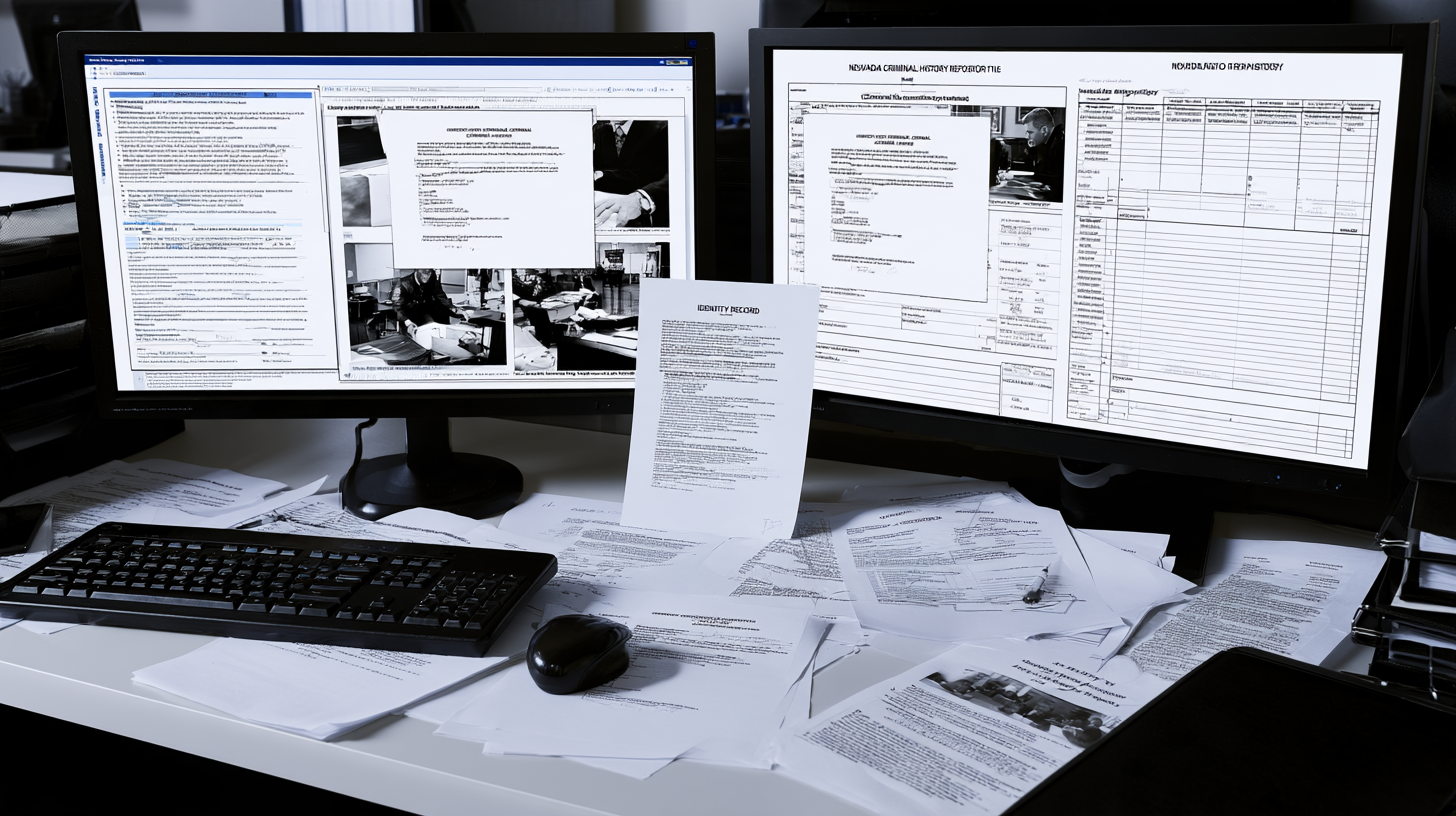
The application asks for the case number, the court, the charge and disposition, the sentence imposed, and the date supervision ended. Getting those details wrong is the most common reason a packet comes back, so pull the certified court records first, since a SCOPE record from LVMPD or a statewide criminal history gives you the accurate version rather than the version you remember.
The narrative section carries the real weight. The board wants your account of the offense, what you have done since, and why you need the pardon now, and specificity beats sentiment every time. Steady employment with dates, a completed degree, treatment records, restitution paid in full, and years without new charges tell the story better than any statement of remorse written in the abstract.
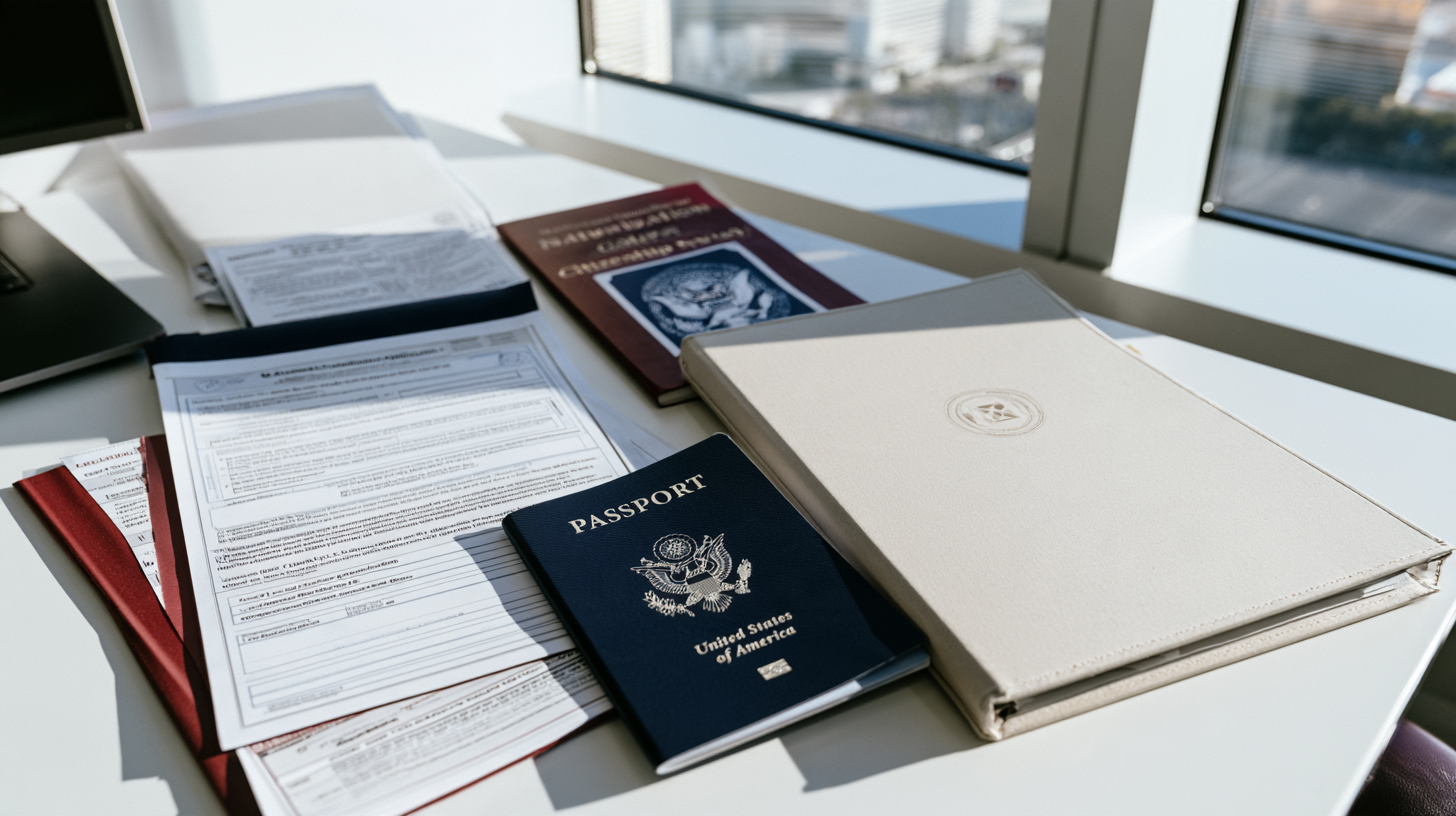
Character letters from employers, clergy, probation officers, and community members belong here as well, and the strongest ones come from people who knew you before and after. Gather supporting documents while you write: certified copies of the judgment of conviction, proof that fines and fees were paid, discharge paperwork from Parole and Probation, and a current criminal history report all make the investigator’s job faster and your account verifiable.
Applicants who submit a narrative the state cannot confirm lose credibility on the parts they could have proven. Notarization applies to the packet, and the requirement has a wrinkle for anyone filing electronically: the board’s Waiver and Liability Release form must be notarized and physically delivered to the board within seven days of the electronic submission. An electronically filed application whose notarized waiver never arrives is an incomplete application, and nobody will chase you for it.

Investigation, Board Review, and the Hearing Itself
Once the Executive Secretary accepts your packet, the file goes to the Division of Parole and Probation for investigation. Investigators verify what you claimed, pull the underlying court records, contact your references, and check for new arrests.
They also contact the District Attorney who prosecuted the original case, and in cases with an identifiable victim, the state issues victim notification. Those responses land in your file and the commissioners read them, which is one more reason the narrative should match what the records show.
The investigation is the longest phase, and applicants routinely mistake silence for a lost application. Call the board’s office for a status check rather than resubmitting, because a duplicate application creates confusion in a file that is already moving and does not accelerate anything.
The board then decides whether your application gets heard at a meeting. Many applications never reach that stage, because the commissioners review files administratively and advance only a portion to a full hearing, and that screening is discretionary.
Knowing who sits on the board explains why the calendar is thin. The State Board of Pardons Commissioners is composed of the Governor, the Justices of the Nevada Supreme Court, and the Attorney General. It meets for clemency purposes at least quarterly, on dates the Board fixes, and it publishes those dates on its own site. One change worth noting for anyone working from older guidance: since 2020 the Governor’s vote is no longer required for the Board to act, and the meeting frequency moved from semiannual to at least quarterly. Because the schedule and the filing cutoffs shift, confirm the next meeting date and its deadline with the Executive Secretary before you finalize a packet.
If your case is set for a hearing, you may appear, and appearing helps. The commissioners ask direct questions about the underlying offense, about the years since, and about what executive clemency would change in your life, so answer the question asked. Deflecting responsibility for the underlying conduct hurts applicants more at this stage than the conduct itself does.
A decision comes by vote. The board may grant a full pardon, grant a conditional pardon carrying restrictions, deny the application, or continue it to a later meeting. Pardon denials are common, and a denial does not bar you from applying again once time has passed and your circumstances have changed.
The Paperwork After a Grant, and the Limits That Remain
A granted pardon produces an order, and that order is the document changing your legal position. Get certified copies and keep them somewhere permanent, because agencies, employers, and licensing bodies want the certified order rather than a letter, and you will be producing it for years.
The Nevada Department of Public Safety updates the state criminal history repository to reflect the pardon, and the FBI record follows through the state’s reporting. Neither update happens overnight, and commercial background databases lag further behind, a pattern anyone who has been through sealing recognizes from how long agencies take to update records.
A pardon does not erase the conviction from history. The case remains part of the public record unless it is also sealed, which is exactly why sealing after a pardon is worth considering as a second step rather than an afterthought.
Professional licensing boards treat pardons differently from one another, and the rules governing sealed records and professional licenses do not map cleanly onto pardoned convictions, so ask the specific board what a granted pardon means to it before assuming. Immigration consequences follow their own federal logic, and whether a state pardon affects a removal ground depends on the offense and the provision at issue, an analysis belonging with an immigration attorney rather than a state-court practitioner.

Frequently Asked Questions
Can I Reapply After a Pardon Denial?
A denial does not permanently bar you. Unlike record sealing, where NRS 179.265 sets a hard two-year wait and caps you at two rehearings, the pardon process carries no comparable statutory bar on refiling published by the board. What governs instead is substance: the commissioners are looking for changed circumstances, meaning additional years without new charges, completed treatment programs, restitution paid in full, or a stable work history that did not exist at the first filing. A second packet that repeats the first without new material rarely fares better, and the Executive Secretary is the right person to ask about timing before you invest in assembling one.
Can a Pardoned Conviction Then Be Sealed?
Sealing and pardoning are separate proceedings, and a pardon does not automatically seal anything. Whether a pardoned conviction may then be sealed depends on the offense category and Nevada’s sealing rules, and the analysis differs from record sealing compared with record restriction, so reviewing both remedies together usually produces a better result than pursuing either alone.
How Long Does the Nevada Pardon Process Take?
Plan in seasons rather than weeks. Eligibility screening, the Parole and Probation investigation, administrative review by the commissioners, and the wait for a scheduled meeting each add time, and many applications never reach a hearing at all. Anyone working against an employment or licensing deadline should ask whether sealing can address the immediate problem while a pardon application proceeds separately.
Conclusion
The honest summary is that a pardon is a powerful remedy with a discretionary outcome, and it is the correct tool for a specific set of situations rather than a general upgrade over sealing. Convictions Nevada excludes from sealing, and firearm rights that sealing never touches, are the two reasons that justify the effort.
For everything else, sealing is faster, more predictable, and decided by a judge against statutory criteria you can calculate in advance. A great many people who come in asking about a pardon discover that their conviction is sealable and that the shorter route accomplishes what they were actually after, which is a job, a lease, or a license.
Where a pardon is the right path, the work is documentary and it rewards preparation. Confirm supervision has ended and restitution is paid, pull certified records before writing anything, build a narrative the state can verify, gather letters from people who knew you across the whole arc, and answer the board’s questions directly if you reach a hearing. Denials are common and reapplication is permitted once circumstances have genuinely changed.
If a criminal conviction is blocking a job, a professional license, or your firearm rights, the useful first step is a records review rather than a form. Schedule a confidential consultation with Record Sealing Nevada to establish what you were convicted of, when supervision ended, and which form of post-conviction relief Nevada actually allows in your case. Contact a Nevada record sealing attorney for personalized guidance, or read more about the state process on the firm’s Nevada pardons page and speak with a Las Vegas record sealing attorney before committing to either track.