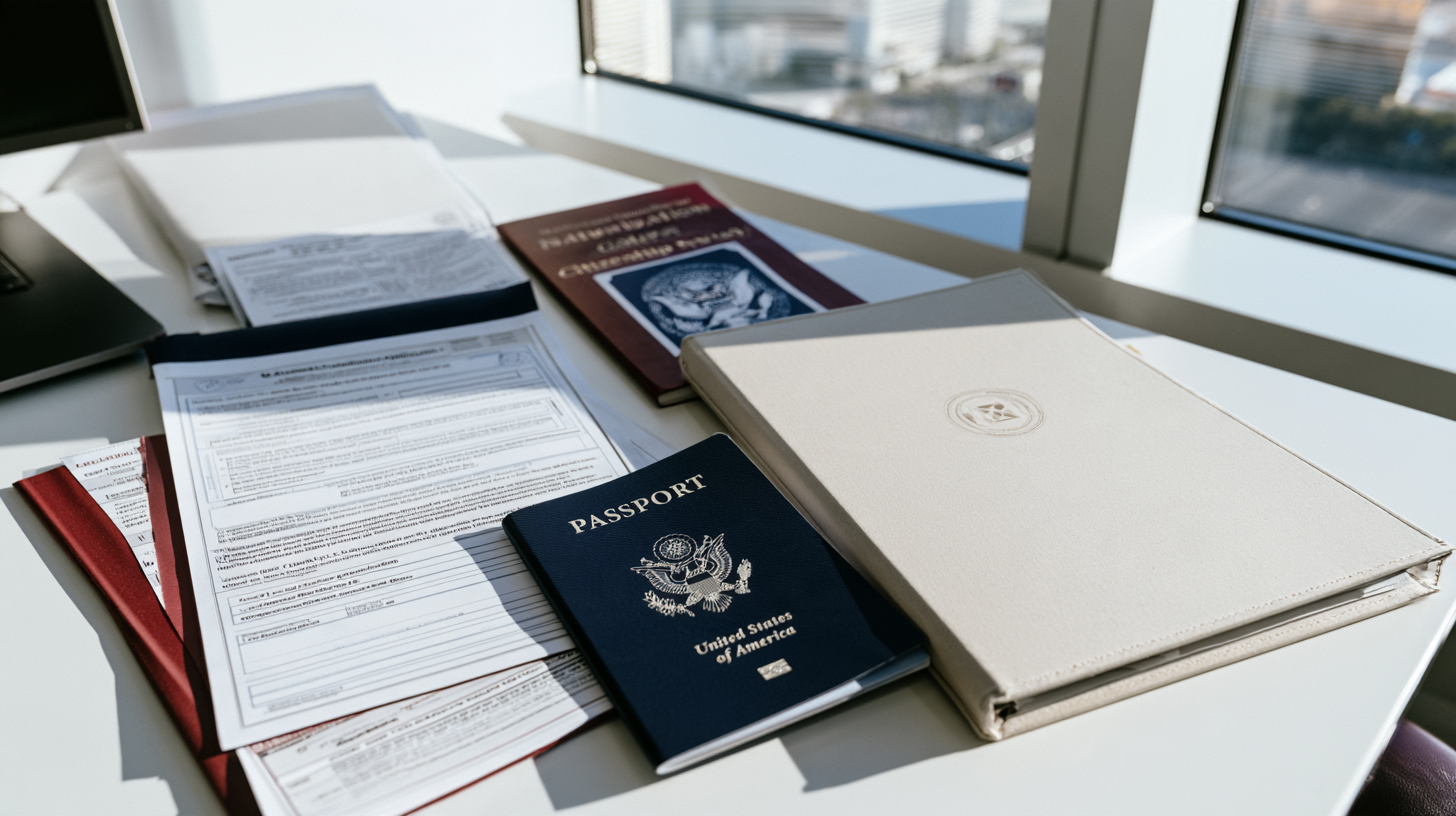
Plenty of Nevadans handle record sealing without a lawyer and walk out with a signed order. The forms sit on court and legal aid websites, the self-help centers in Clark and Washoe counties walk people through them, and a single dismissed case in a single court is a genuinely manageable filing for anyone willing to read carefully.
If that describes your situation, filing on your own is a reasonable choice, and nothing here is written to talk you out of it. What matters is knowing which situation you are actually in before you commit to a route, because the two look identical from the outside and behave very differently once a clerk reviews the paperwork.
The harder question is where DIY record sealing stops working. Nevada courts reject incomplete petitions, and a rejection is not a small setback: the corrected filing goes to the back of the queue and the months you already spent waiting start over. What follows names the specific points where a self-filed record sealing petition breaks down, rather than walking you through the forms, which the site’s first steps and document checklist for Nevada record sealing already covers.
Why So Many Nevadans Decide to Seal a Record Without an Attorney
Cost drives most of these decisions, and there is no shame in that. Court filing fees and agency record fees are real money for someone whose record has already cost them jobs, and free legal aid exists precisely because that pressure is common. Anyone weighing the expense against the wait should start with the honest version of the trade.
The other reason is simpler: the process looks clerical. A petition is a form, the statute is published online, and a person who has navigated harder bureaucracies reasonably concludes this one is no different. That reading is correct for some cases and expensive for others.
Our comparison of what handling record sealing alone does to the timeline sets out the trade between saving the fee and absorbing the delay when something needs correction. The delay is the part people underestimate, because a rejected filing costs weeks that cannot be bought back at any price.
The Kind of Nevada Sealing Case That Self-Filing Handles Well
A straightforward sealing case shares a short list of traits. One charge, one court, one clear disposition on the record, no probation term still running, and a waiting period that closed long enough ago that nobody will argue about the date.
The petition then asks the judge for something the file already supports, the prosecuting agency has no reason to object, and the court signs. That is the version of this process that genuinely does work without a lawyer.
Dismissed cases sit at the easy end of that range. A dismissal or an acquittal carries no waiting period in Nevada and gives the District Attorney little to push against, which is why the process for sealing a record after a dismissal or acquittal reads shorter than the process for a conviction. A pro per petitioner with one dismissed misdemeanor in a single justice court is doing paperwork rather than litigation.
The trouble is that people assess their own case as simple based on memory. Memory of a case from 2013 tends to be tidier than the court record of it, and the Nevada criminal history held by the state rarely matches what a person remembers. The complications below usually arrive as a surprise, discovered after the petition to seal is already sitting with a clerk.

What Nevada Law Requires Before a Judge Will Seal Anything
Nevada handles this under NRS 179.245, and the statute does two things that shape every filing. It sets the waiting period by offense category, and it requires the petition to go to the court of original jurisdiction, meaning the specific court that handled the case.
Neither requirement is negotiable, and neither is obvious from the form itself. A petition can be truthful, complete, and still defective because it landed in the wrong courthouse or counted the clock from the wrong date.
It is worth naming a distinction here that causes real confusion. Nevada seals records; it does not expunge them. Sealing places the record beyond public view and allows you to answer many questions as though the event never occurred, subject to statutory exceptions, while expungement in the states that offer it implies destruction. Anyone filing on their own should understand which remedy Nevada actually provides.
Venue, Township Captions, and the Court That Holds Your File
Nevada does not have one court that seals records. In the Las Vegas valley alone, Las Vegas Justice Court, Las Vegas Municipal Court, North Las Vegas Justice Court, Henderson Justice Court, and Clark County District Court each hold their own files, use their own captions, and expect a petition that names them correctly.
Justice courts in Nevada sit inside townships, and the township caption belongs at the head of the filing. A petition captioned for the wrong township is a defective filing even when every other fact in it is correct, and the clerk who catches it will not fix it for you. Petitioners who moved away years ago, or who were arrested in one city and prosecuted in another, get this wrong at a higher rate than anyone else.
The municipal court distinction trips up a different group. A charge written by city police and resolved in a city court does not live in the justice court file, so a petition filed at the justice court asks the wrong judge to seal a record that court does not hold. The pattern behind these rejections appears in our review of why some record sealing filings get pushed back by the courts, and venue errors account for a large share of them.
Multi-court cases raise the stakes further. When a history spans more than one township, or mixes a justice court case with a district court case, the filing structure changes and the district court forms come into play. Attorneys handle these by mapping the entire history first, an approach described in how attorneys handle record sealing across multiple courts.
A self-represented petitioner who files in one court and assumes the order covers the rest ends up with a partly sealed record and no clear signal that anything went wrong. That is the quietest failure in this entire process, because nothing announces it until a background check does.
Proving Eligibility When the Disposition Record Has Gaps
Every sealing petition rests on the case disposition, meaning the official record of how the charge ended. A conviction, a dismissal, a reduction, a plea to a lesser count, or a diversion completed years ago. The judge needs that disposition to confirm both the waiting period and that the offense category is eligible under NRS 179.245.
Missing dispositions are common, and they are the second great cause of rejected filings. An old case can show an arrest with no outcome recorded, a charge amended without the change reaching the state repository, or a court minute order that never became a filed judgment.
Your SCOPE report shows what law enforcement holds, which is not always what the court holds. The guide to what a SCOPE record contains and why it matters explains the difference between those two records, and reconciling them is work that falls entirely on the petitioner.
Proving eligibility becomes genuinely difficult when the paperwork disagrees with itself. A petitioner facing a missing disposition has to request certified copies from the court, sometimes from a clerk’s archive, and sometimes from an agency that has since reorganized its records. Our walkthrough on proving eligibility for record sealing in Nevada describes the documents judges look for.

How the Nevada Waiting Period Is Counted and What Resets It
Counting the waiting period creates its own category of errors. The clock in Nevada runs from the end of the case rather than the date of arrest or the date of sentencing, which is the single most common miscalculation among self-filed petitions.
Probation, parole, unpaid court fines, and a later criminal charge all move that date. Our explanation of when the waiting period for record sealing begins covers the events that reset it, and any one of them can make an otherwise sound petition premature.
Multiple charges complicate the count further, since several charges can influence sealing eligibility in ways that are not apparent from reading the statute alone. Eligibility depends on the charge, the outcome, and the calendar together, and getting two of the three right is not enough.
When the District Attorney Objects, the Work Changes Entirely
Filing the petition is only the opening move. Under NRS 179.245 the court notifies both the law enforcement agency that arrested you and the prosecuting attorney who prosecuted the case. What happens next turns on a single fact: whether the prosecutor stipulates to the sealing. If the prosecutor stipulates, the court may seal the records without conducting a hearing at all. If the prosecutor does not stipulate, a hearing on the petition must be conducted.
Worth knowing is what the statute does not do. It sets no fixed number of days for the prosecutor to respond, which is different from the decriminalized-offense route under NRS 179.271, where the prosecutor gets 10 judicial days and silence means the court must grant the request. On a standard petition there is no deadline that converts prosecutorial silence into a win, and no provision that treats a non-response as consent. In practice that means the pace of your petition is set by the district attorney’s calendar rather than by yours.
An objection changes the character of the case. The filing becomes a contested petition with a hearing date attached, and the skills involved shift from clerical accuracy to advocacy.
Responding to an objection means reading what the prosecutor argued, gathering evidence of rehabilitation that answers it directly, and presenting that evidence to a judge inside a short sealing hearing. The prosecutor’s role is set out in our explanation of the District Attorney’s role in Nevada record sealing, and the office is under no obligation to tell a pro per petitioner what would satisfy it.
Some objections get resolved before the hearing through direct contact with the prosecutor handling the file. Attorneys do this routinely, and the situations that call for it appear in our piece on petitions that require direct communication with prosecutors. A petitioner without a lawyer can make that call as well, though few know it is an option and fewer know what to ask for.
The Real Cost of a Rejected or Denied Petition in Nevada
The filing fee is the number people compare, and it is the smallest part of the total for a multi-case history. Each court sets its own fee and each of them is modest on its own, running in the tens of dollars rather than the hundreds; Las Vegas Municipal Court’s is on the lower end and Las Vegas Justice Court’s is somewhat higher. Because fees are set locally and change, confirm the current amount with the clerk in the court where you are filing rather than with any published estimate. Fee waivers exist for petitioners who document financial hardship, and the courts publish an affidavit of indigency for that request.
Which court you file in matters more than the fee itself, and Clark County has a rule worth knowing. If every charge on your SCOPE sits in a single court, you file in that court. If your charges span more than one court, say Laughlin Justice Court and Las Vegas Justice Court, you file a single petition in the Eighth Judicial District Court rather than filing separately in each. Getting that wrong produces a rejection rather than a denial, which costs weeks and the fee.
Records fees stack differently. A SCOPE report from Las Vegas Metro covers Clark County and costs only a nominal amount, while an arrest in Reno, Sparks, or a rural county means a separate request to a separate agency with its own charge and its own turnaround. Certified court documents carry per-copy fees on top of that, including the certified copies of the signed sealing order you will want at the end. Individually these are small numbers; the reason they matter is that each one is a separate errand at a separate counter with separate hours.
Time is the cost nobody budgets for. Gathering records across agencies, correcting a defective caption, refiling after a rejection, and waiting out a hearing date can add months to a case that looked like a two-week project. The most frequent stumbles are collected in our list of common mistakes people make when trying to seal a record in Nevada, and most of them cost weeks rather than dollars.
A denied petition carries a waiting requirement before the same case can be brought again, which makes an unprepared hearing expensive in time rather than money. The consequences and the routes back are covered in what happens when a record sealing petition is denied in Nevada. Record Sealing Nevada takes on cases at this stage often, including self-filed petitions that met an objection nobody expected.
Deciding Between Filing Alone and Hiring a Nevada Record Sealing Attorney
Weighing the two routes comes down to the shape of your history rather than your confidence in paperwork. One case, one court, one clean disposition, no probation still running, and a waiting period that closed years ago points toward filing yourself.
Multiple courts, a missing disposition, a felony sealing petition with an eligibility argument attached, or any signal that the prosecutor will object points toward the kind of file described in what lawyers actually do when a record sealing case gets complicated. The distinction is not about intelligence or diligence; it is about how many moving parts the case contains.
There is also a middle path people rarely consider. A consultation that maps your full criminal history, confirms which courts hold which files, and calculates the waiting period correctly gives you the information you need to file confidently on your own if that still makes sense. Knowing the shape of your case before you file is the single best protection against a rejection.

Frequently Asked Questions
Will the Court Tell Me if My Petition Is Missing Something?
Court clerks in Nevada review filings for completeness but cannot give legal advice, so the notice you receive may say the petition was rejected without naming the fix. Self-help centers operated by the courts can explain form requirements and point out obvious omissions, but neither a clerk nor a self-help center will tell you whether your legal argument for eligibility is strong enough to survive an objection.
Does Every Case Have to Be Filed in the Court That Handled It?
Yes. Nevada sends a sealing petition to the court of original jurisdiction, which is the specific justice, municipal, or district court that resolved the charge. A history spanning several courts requires a separate filing in each one, and a district court petition may be the correct vehicle when the cases cross court levels.
Is Record Sealing in Nevada the Same as Expungement?
No, and the difference matters when you are filling out forms that use the other word. Nevada seals records, which places them beyond ordinary public access and permits you to treat the case as though it did not occur for many purposes, subject to statutory exceptions, while expungement in other states generally implies destruction of the record itself.
Conclusion
Nevada law provides a real path forward, and the fact that it has conditions attached does not make it out of reach. Sealing is available for a wide range of misdemeanors and felonies once the waiting period closes, dismissals carry no wait at all, and a signed order lets you answer most employment and housing questions without disclosing the case. That relief is genuine, and thousands of Nevadans obtain it every year.
What decides most cases is preparation rather than eloquence. The petition has to reach the right court with the right caption, the disposition has to be documented, the clock has to be counted from the correct date, and any objection has to be answered with evidence rather than assurance. Every failure described in this article is procedural, which means every one of them is preventable.
If your history involves more than one case, more than one court, a disposition you cannot locate, or a charge you are not certain is eligible, that is the point where guidance pays for itself. Schedule a confidential consultation with Record Sealing Nevada to have your full record reviewed, your eligibility confirmed, and a realistic timeline explained before anything is filed. Contact a Nevada record sealing attorney for personalized guidance on your specific record, whether you ultimately file with help or on your own.